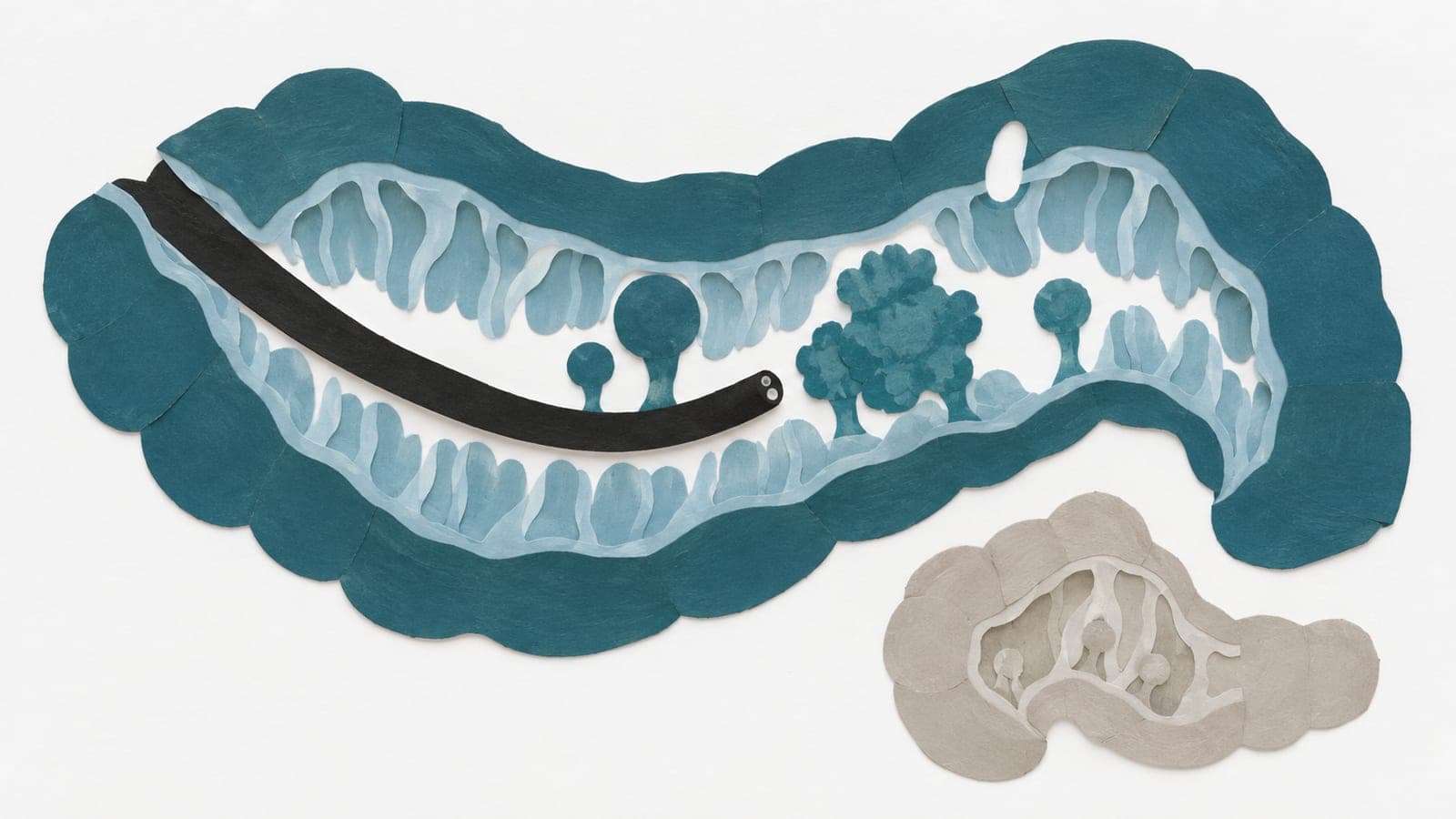
Optimizing detection and resection of colorectal polyps

Abstract
Colonoscopy is the most widely performed endoscopic procedures in the United States and considered as primary screening and surveillance modality for colorectal cancer (CRC) prevention. Effective screening and surveillance requires prompt recognition of colorectal polyps, optical diagnosis of predicted histology and safe and effective polypectomy. We aim to perform a comprehensive review of the current evidence on tools and techniques to improve polyp detection and best practices to optimize endoscopic removal. Utilization of water assisted colonoscopy, artificial intelligence (AI), image enhanced endoscopy (IEE) and distal attachment devices can improve polyp detection. Underwater endoscopic mucosal resection (EMR) has emerged as a popular technique with potentially better outcomes than conventional EMR. Modification of EMR techniques including tip-in EMR and pre-cutting EMR have also been summarized. Endoscopic full thickness resection (EFTR) is an emerging technique other than endoscopic submucosal dissection (ESD) for suitable lesions harboring early submucosal cancer. Further, we also outline the common adverse events associated with polypectomy including bleeding, perforation, post-polypectomy syndrome, and discuss preventative measures to mitigate these adverse events. Eventually, the goal of colonoscopy is to reduce interval CRC incidence and mortality, and the technology that reduces post colonoscopy CRC incidence and techniques that improve safety and recurrence would see earlier adoption in the real world practice.
The paper
Beth Israel Deaconess Medical Center; New York University
Translational Gastroenterology and Hepatology, 21 Jul 2026