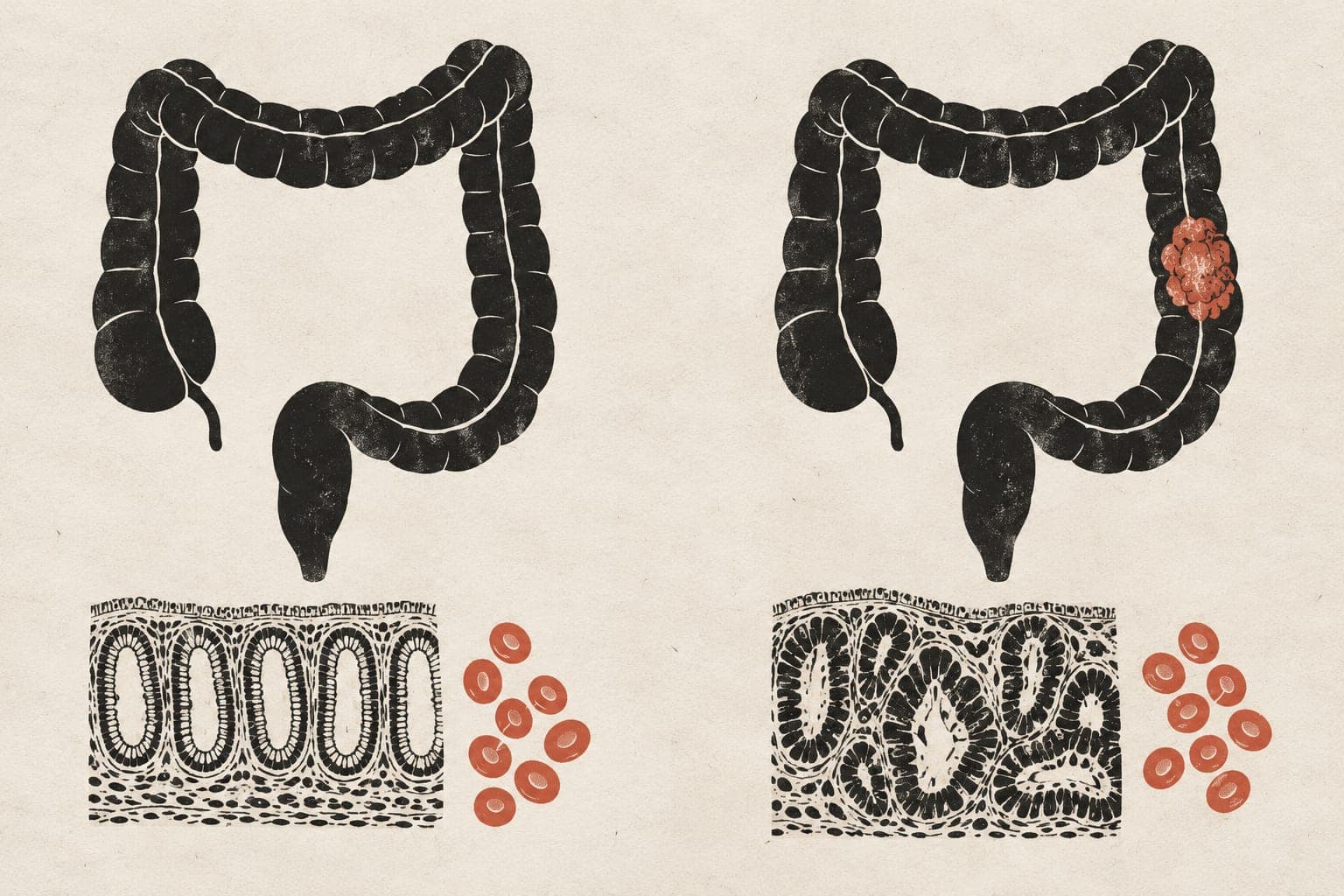
Colonoscopy linked to more cancer detection in older adults
Five-year cancer detection was higher with colonoscopy than with no early colonoscopy: the hazard ratio, comparing event rates over time, was 1.78; overall mortality was unchanged.
JGH Open
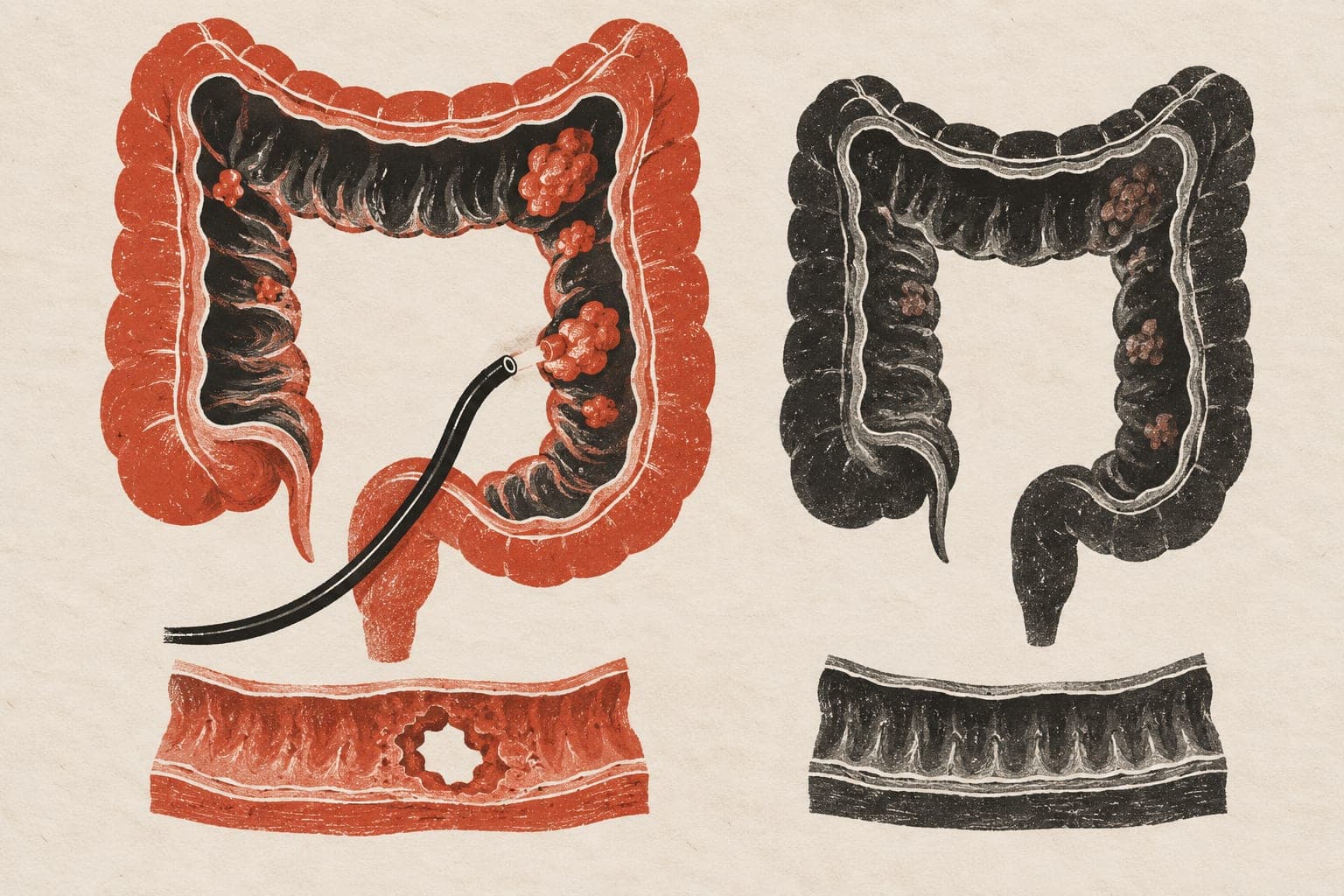
Researchers studied adults aged 75–90 seen for bowel cancer screening in an observational cohort using US health records. They matched people who had colonoscopy, an examination of the bowel with a camera, within three months to people who did not. The five-year comparison included 69,821 matched pairs, with separate groups assessed at 30 days and one year.
Colonoscopy was associated with more detection of bowel cancer and polyps, growths in the bowel lining. It was not associated with lower mortality from any cause over five years; the range of likely values included no difference. Bowel perforation, a hole in the bowel wall, was more frequent at five years. Bleeding in the digestive tract was less frequent at one year.
Why it matters
After age 75, competing health risks make the benefits and harms of cancer screening uncertain. The authors concluded that decisions about colonoscopy should be individualised.
Caveats
This observational study cannot establish that colonoscopy caused the differences, even though researchers matched the groups to make them more comparable. The findings concern adults aged 75–90.
The paper
Show 8 more authors
Anuhya Jamandlamudi, Ihsan Noushad Karuppan Veettil, Aqsa Komel, Mirza Muhammad Hadeed Khawar, Naima Agha, Muhammad Habib, Ishtiaq Ahmad, Ban Al-Abayechi,Lahey Hospital and Medical Center · Rutgers New Jersey Medical School
JGH Open · 4 Oct 2026