Biological aging markers linked to metabolic syndrome
A fast estimated aging rate was linked to higher metabolic syndrome risk over six years versus an average rate (relative risk 1.44).
962 participants
Limit: Blood DNA-based aging estimates are proxies for biological aging
Edited by Boris Djordjevic · AgingResearch.News
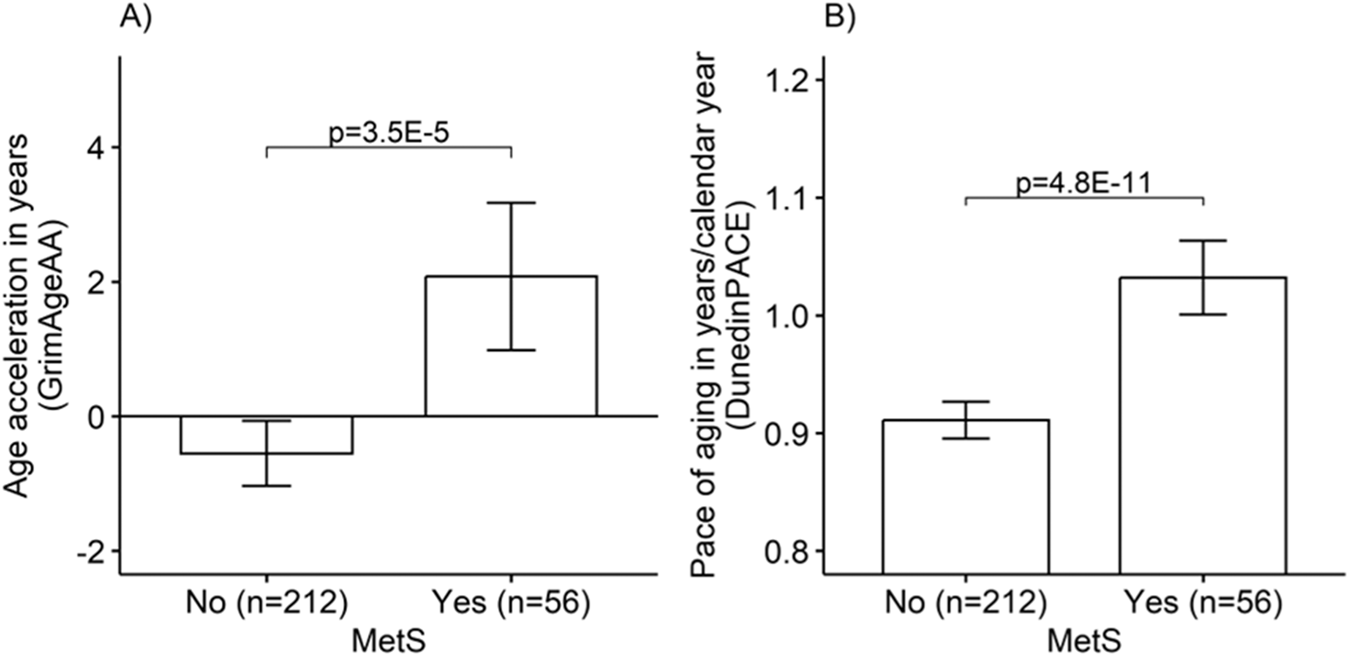
An observational cohort study followed 962 Hispanic/Latino adults with an average age of 44.8 years; 61.5% were female. Researchers analyzed chemical tags on DNA in blood collected about six years apart to assess biological aging relative to calendar age. At baseline, 35.4% had metabolic syndrome, defined as at least three of five conditions, including abdominal obesity, high blood pressure and high blood sugar.
Higher readings on all three measures of accelerated aging were associated with having the syndrome. Among 621 participants without it at baseline, a fast aging rate estimated by DunedinPACE, a DNA-based measure, was linked to higher risk of developing it than an average rate (relative risk 1.44). A slow rate was linked to lower risk (relative risk 0.44).
Why it matters
Metabolic syndrome raises the risk of type 2 diabetes and cardiovascular disease. The study addressed whether biological aging measures might help identify people with, or at risk of, this cluster of health problems.
Caveats
This observational study could not establish cause and effect. Participants were Hispanic/Latino adults from four US communities, so the findings may not apply to other populations.
The paper
Emory University
International Journal of Obesity, Aug 12, 2026, Open access
