Tree cover gains linked to lower death rates in Chicago
Chicago data linked each percentage-point year-to-year gain in tree cover to around 10% lower mortality compared with no change in cover.
Our read
Populations- Studied:
- Study of 220,711 people who died in Chicago, 2011 to 2021
- What changed:
- Death rates were around 10% lower for each percentage-point year-to-year increase in tree cover
- The catch:
- The analysis measured neighborhood death rates, not individual mortality risks
- Why it’s aging research:
- Biological age, frailty, function, multimorbidity or death.
Editor of record: Boris Djordjevic · AgingResearch.News
An observational study of Chicago neighborhoods analyzed records of 220,711 people who died from 2011 to 2021. Their average age at death was 69.4 years; 115,974 were male and 104,734 female. Researchers compared mortality with tree canopy—the proportion of land covered by treetops—and its yearly changes across 801 census tracts. They adjusted for summer temperatures, income, air pollution and other neighborhood factors.
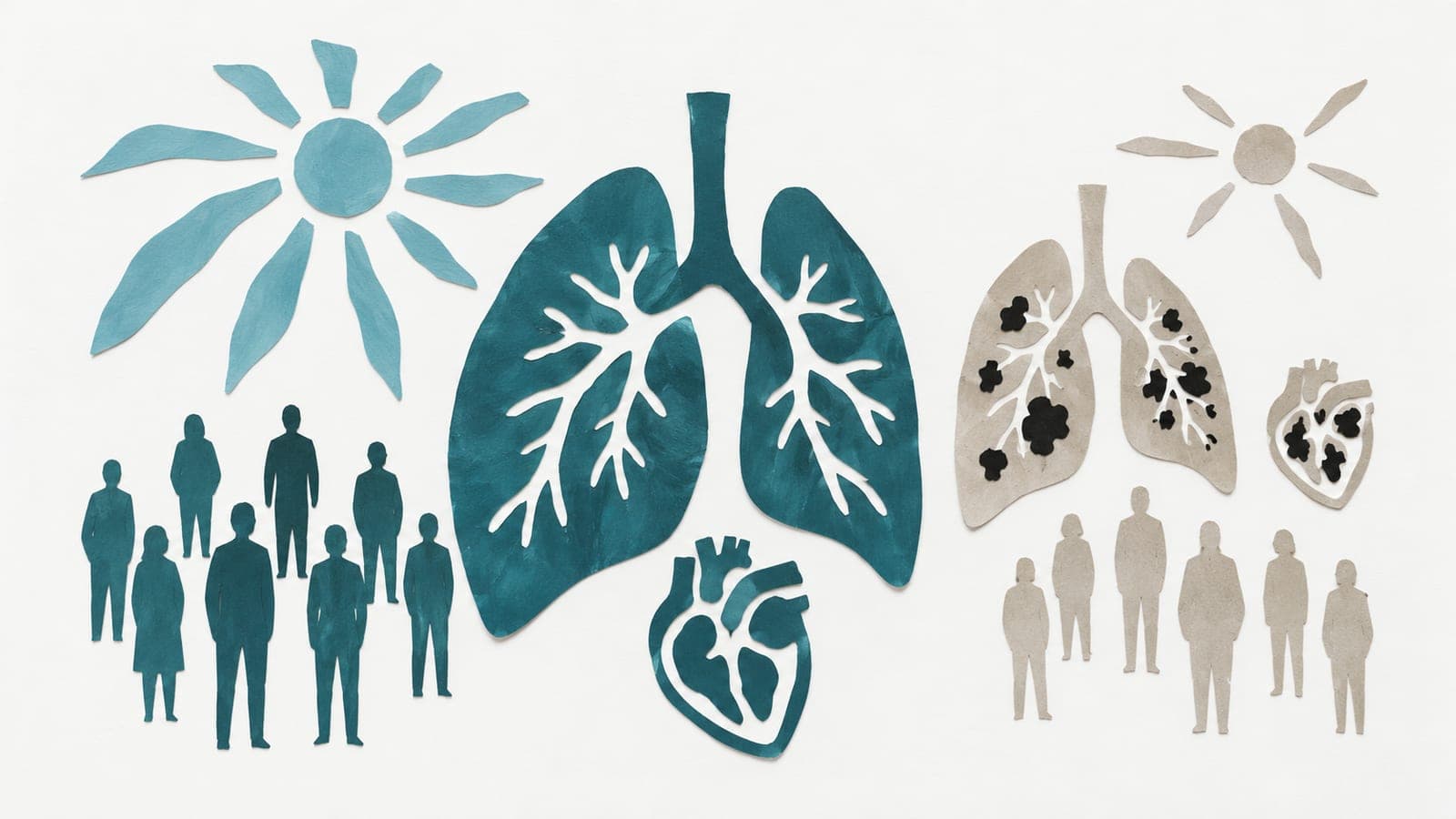
Each percentage-point year-to-year increase in canopy cover was associated with around 10% lower mortality. Existing tree cover had no statistically clear association with mortality. Among the hottest neighborhoods, greater year-to-year losses of tree cover were linked to higher yearly mortality. The authors suggested that protecting tree cover, particularly in hotter, vulnerable areas, may offer an opportunity to reduce mortality.
Why it matters
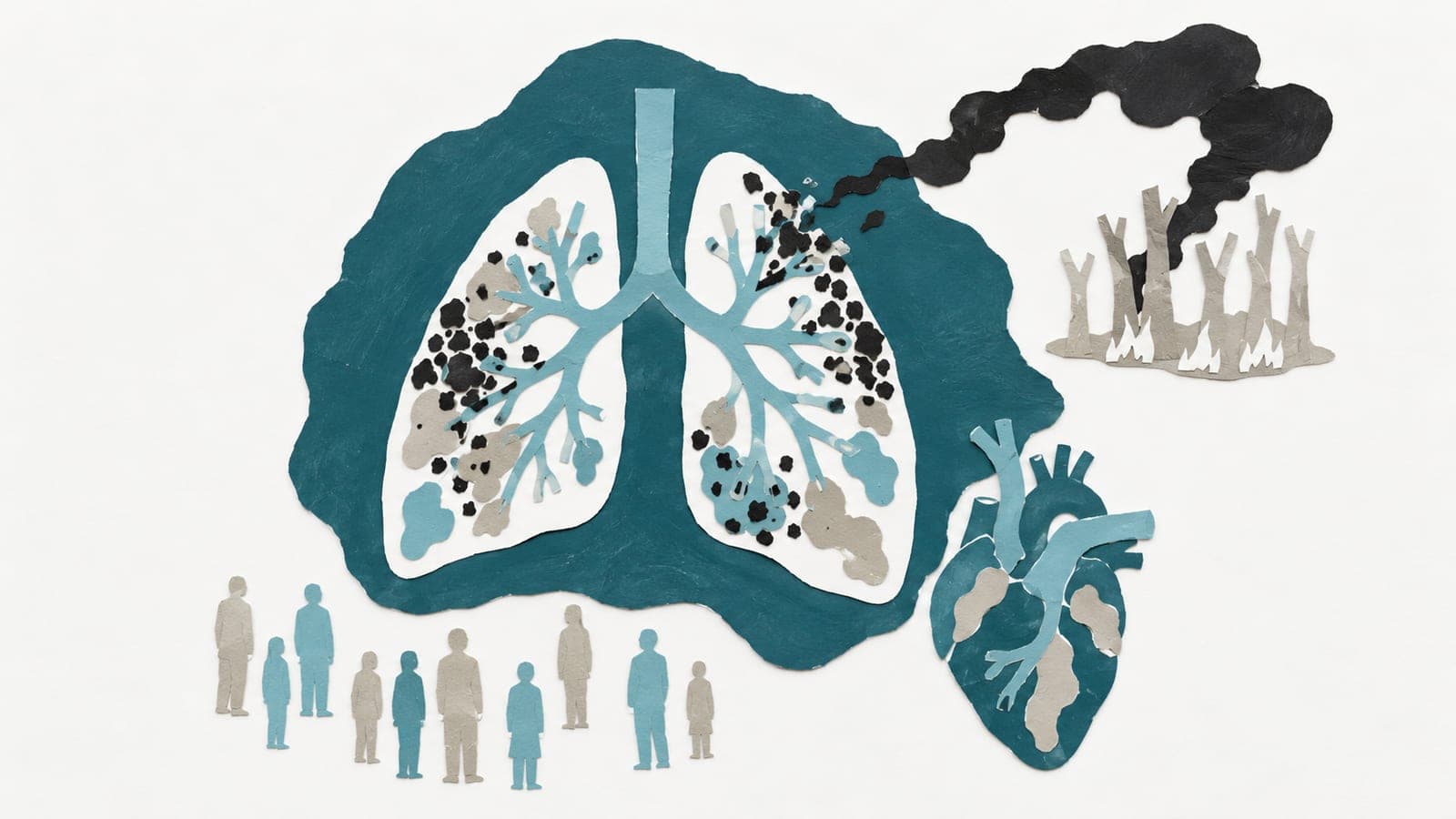
The disease-specific findings bear on whether neighborhood tree cover may matter for cardiovascular and respiratory diseases, which commonly affect people in later life.
Caveats
This neighborhood-level observational analysis cannot show that tree-cover gains caused fewer deaths or establish individual risks. Its findings may not generalize beyond Chicago.
- Urban tree canopy
- Cardiovascular disease
- Mental health disease
- Musculoskeletal disease
- Respiratory disease
- Humans
The paper
Northwestern University
GeoHealth, Aug 5, 2026, Open access

Comments
Be the first to comment.