Extracellular vesicle-mediated immune regulation in central nervous system diseases: Mechanistic insights and exercise interventions
Abstract
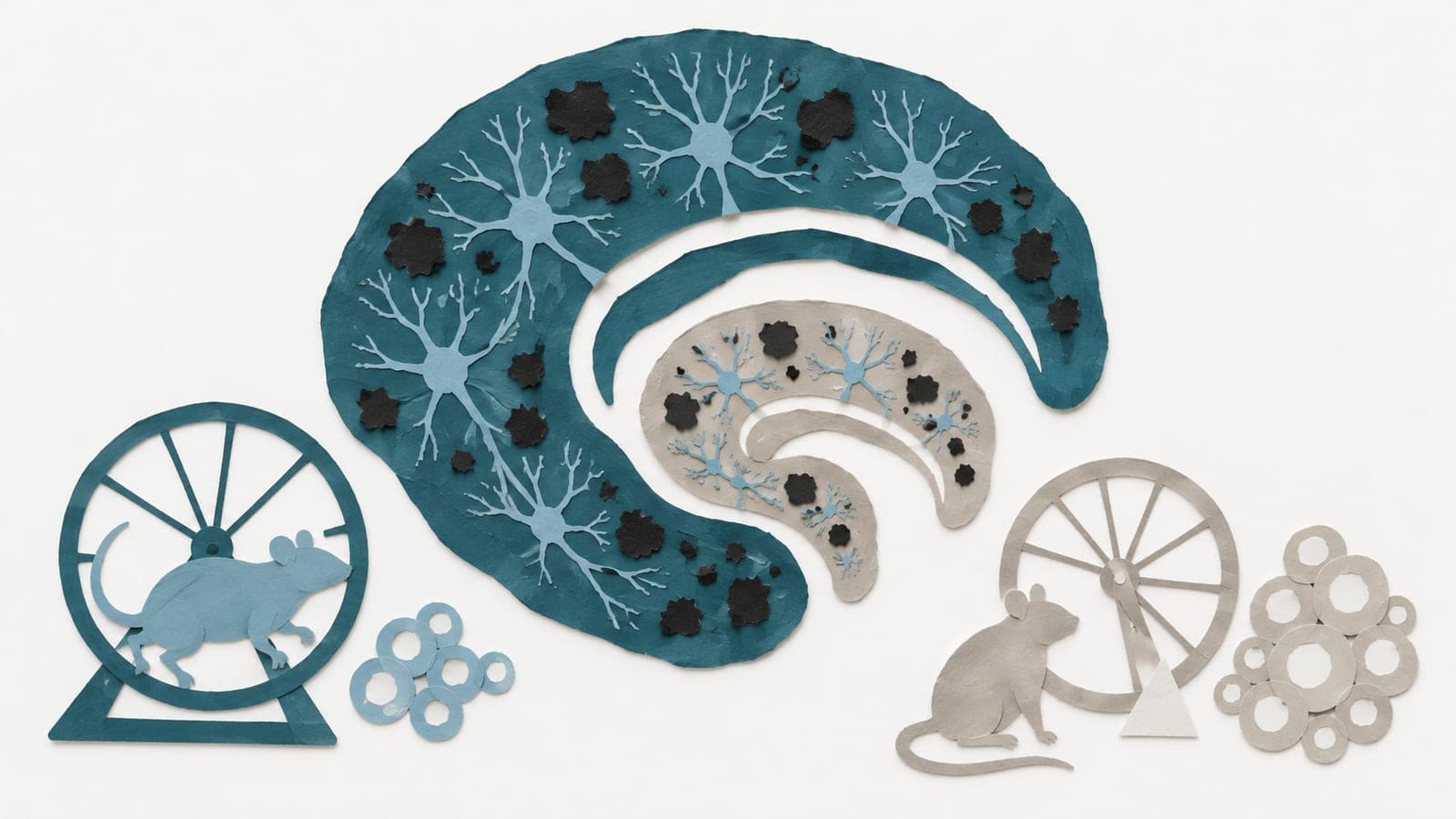
Central nervous system (CNS) diseases are major contributors to long-term disability and cognitive impairment, with neuroinflammation and immune dysregulation closely implicated in their pathogenesis. Extracellular vesicles (EVs) are phospholipid bilayer-enclosed membrane vesicles secreted by diverse cell types that mediate communication between the periphery and CNS through the delivery of various bioactive molecules, including proteins, lipids, and non-coding RNA, thereby exerting immunomodulatory functions. Accumulating evidence has demonstrated that EVs contribute to immune regulation during the initiation and progression of CNS diseases by modulating pathological processes, including neuroinflammation, pro-inflammatory polarization of glial cells, NLRP3 inflammasome activation, and pyroptosis. Previous studies have reported that exercise exerts neuroprotective effects in CNS diseases through EVs-mediated immune regulation. This review summarizes and critically evaluates the biological characteristics of EVs, EV-mediated immunoregulatory mechanisms, the roles of EV-mediated immunoregulation in CNS diseases, and exercise interventions, thereby providing theoretical insights into the beneficial effects of exercise on brain health.
The paper
Jishou University; Yanshan University
Brain Research Bulletin, 5 Aug 2026