Tendinopathies in physically active post-menopausal women: a concise review
Abstract
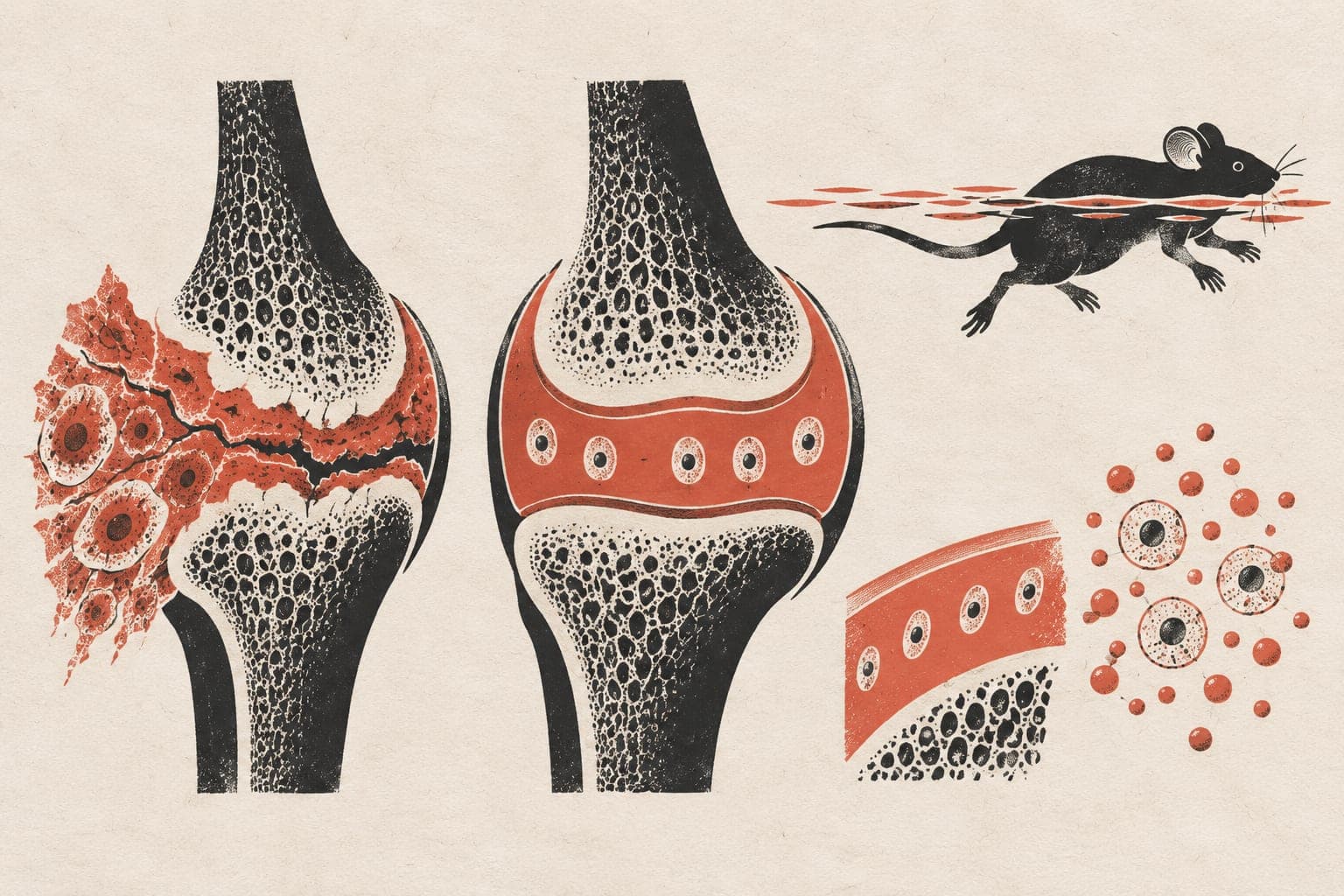
Menopause is characterised by declining estrogen levels and cessation in menstruation. It has a global impact on the structure and function of tissues. Within the musculoskeletal system, the drop in circulating estrogen is associated with decreases in bone density and cartilage production. The tensile strength of tendons also diminishes, thus increasing the risk of tendinopathies in peri- and post-menopausal women. Tendinopathy represents a significant barrier to physical activity as it is painful and/or attenuates tendon function. Hormone replacement therapy (HRT) may improve tendon composition and structure in post-menopausal women. Some studies suggest that physically active women demonstrate greater improvement in tendinopathy symptoms with HRT compared to their inactive counterparts. This concise review aims to summarise the pathophysiology of tendinopathy in the context of physically active peri- and post-menopausal women, appraise the available evidence for the use of the HRT in the prevention or management of tendinopathies and make recommendations regarding areas for future research.
The paper
Royal Army Medical Corps
Post Reproductive Health, 5 Aug 2026