From inflammaging to steroid resistance: reframing the pathogenesis of neutrophilic asthma
Abstract
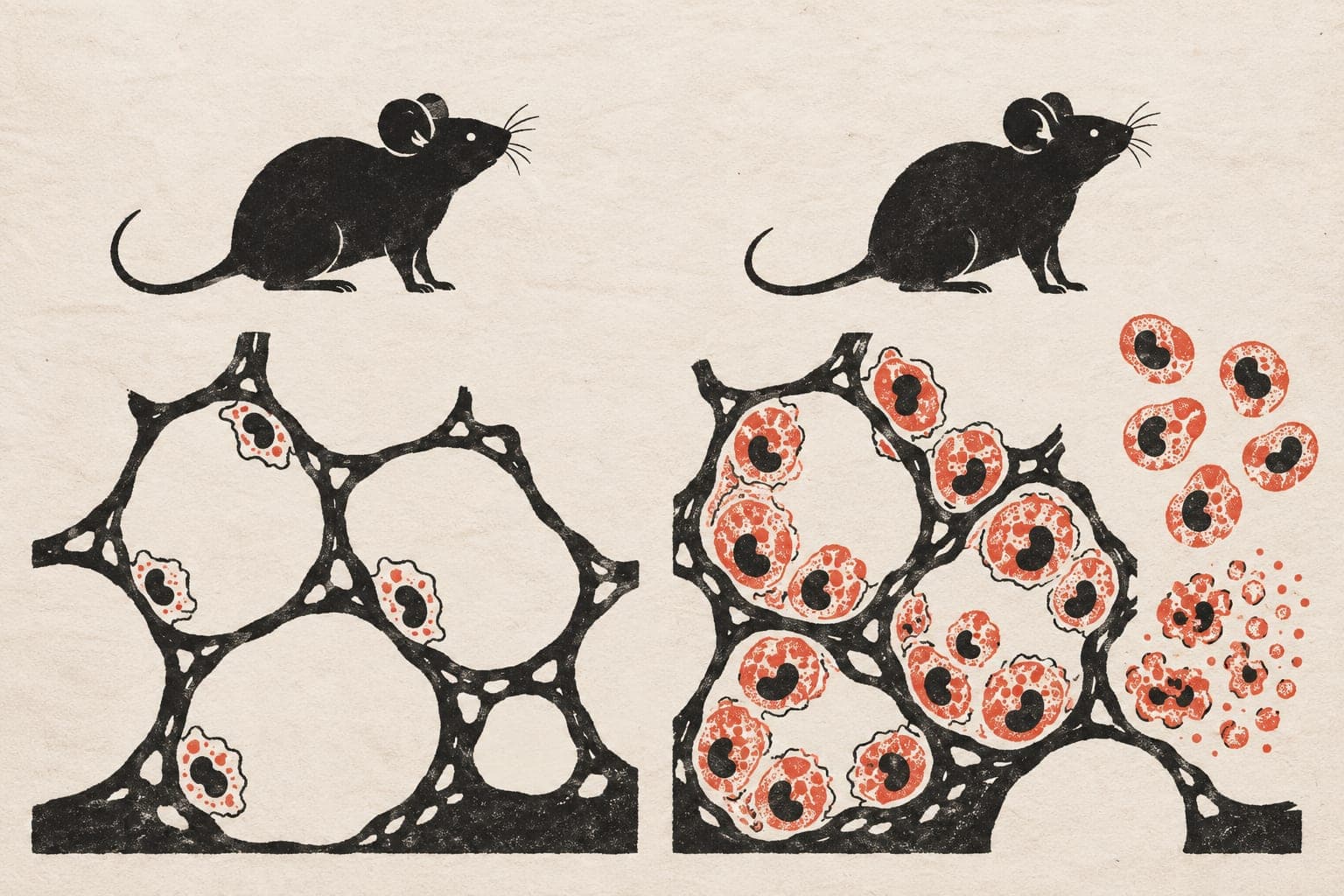
Asthma is a chronic respiratory disease characterized by airway obstruction, persistent inflammation, and tissue remodeling. Among its subtypes, neutrophilic asthma (NA) is particularly challenging due to its high severity and glucocorticoid resistance. NA is primarily characterized by T2-low (non-T-helper cell type 2-driven) airway inflammation, driven by a network of mediators-including IL-6, IL-8, IL-17, IL-1β, TNF-α, and IFN-γ-which act in concert to orchestrate neutrophil recruitment and perpetuate chronic neutrophilic inflammation. Currently, NA lacks defined therapeutic targets, largely due to an incomplete understanding of its pathogenesis. In our previous study, transcriptomic analysis revealed that the pathogenesis of NA is closely associated with aging. Specifically, the accumulation of aging-related cells releases the senescence-associated secretory phenotype (SASP), which appears to play a pivotal role in establishing and amplifying neutrophilic inflammation. Disrupting the pathological loop orchestrated by cellular aging ("aging-inflammation amplification-steroid resistance") thus emerges as a compelling therapeutic rationale. In this article, we systematically explore the complex signaling networks mediating the interplay between aging and NA, aiming to provide new theoretical insights and research directions for the treatment of this refractory asthma subtype.
The paper
Qingdao University
Frontiers in Allergy, 15 Jul 2026, Open access