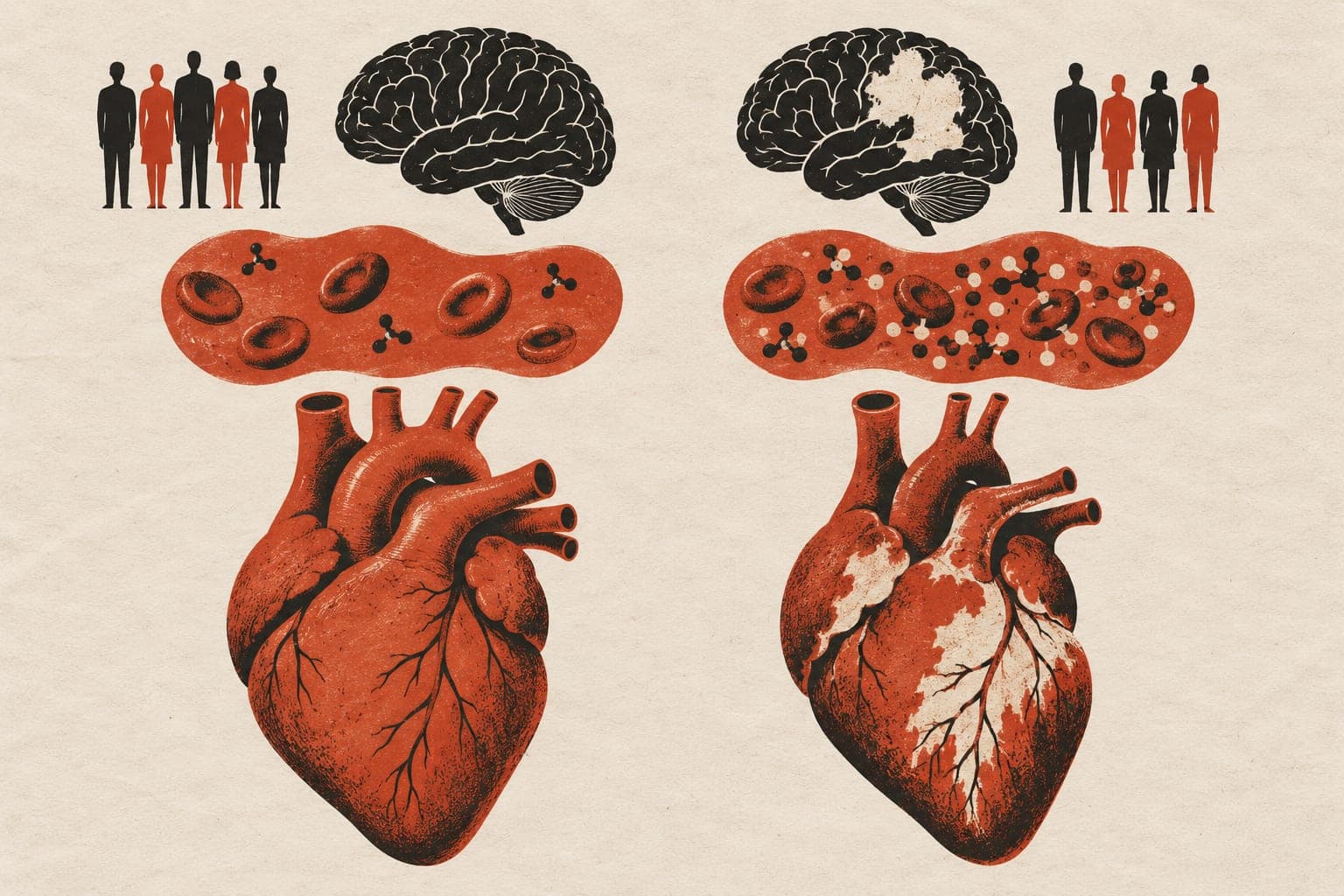
Predicting cardiometabolic multimorbidity trajectory in middle-aged and older Chinese adults: insights from the cohort study on global ageing and adult health
Abstract
BACKGROUND: The ability to predict cardiometabolic multimorbidity (CMM) could significantly facilitate the identification of and intervention for middle-aged and older Chinese adults at risk. This study aimed to develop a prediction model for CMM progression trajectories based on multidimensional risk factors using an ensemble machine learning approach. METHODS: Data from 4,518 participants were obtained from the World Health Organization's Study on Global AGEing and Adult Health (SAGE) in China, covering the period from 2007 to 2019. Information on the incidence of cardiometabolic diseases (CMDs) was collected via self-reported surveys. CMM was defined as the presence of at least two CMDs, including hypertension, diabetes, angina, stroke, and obesity. A multi-state model was used to examine the influence of multidimensional factors on the transition from health to a single CMD and subsequently to CMM. Predictive models for these transitions were then developed. RESULTS: During follow-up, 52.19% of initially healthy individuals developed one cardiometabolic disease (CMD), among whom 15.61% progressed to CMM. Female, low GDP per capita, unhealthy behaviors, elevated PM2.5 concentrations, low humidity, and low temperatures were identified as shared risk factors across the progression from health to CMD and from CMD to CMM. Moreover, in the health-to-CMD transition, older age, low educational level, and physical fitness impairment emerged as independent risk factors. Distinctively, in the CMD-to-CMM transition, IC impairment was identified as an independent influencing factor. Using these key predictors, a stacking ensemble model incorporating five machine learning algorithms was developed, and the model demonstrated area under the curve (AUC) values of 0.89 (95% CI: 0.88-0.91) for predicting the transition from health to CMD, and 0.76 (95% CI: 0.72-0.82) for predicting progression from CMD to CMM. CONCLUSION: In conclusion, this study demonstrates that a stacking ensemble model based on multidimensional factors can effectively predict the progression of CMM. Our study not only identified distinct risk factors for different transitional stages but also highlighted the potential of machine learning to improve early risk stratification and inform targeted interventions for preventing CMM in the aging.
The paper
Jinan University
Frontiers in Medicine, 8 Jul 2026, Open access