Emotional Coherence Under Hypoxia and Aging: A Registered Report on Subjective-Physiological Coupling
Abstract
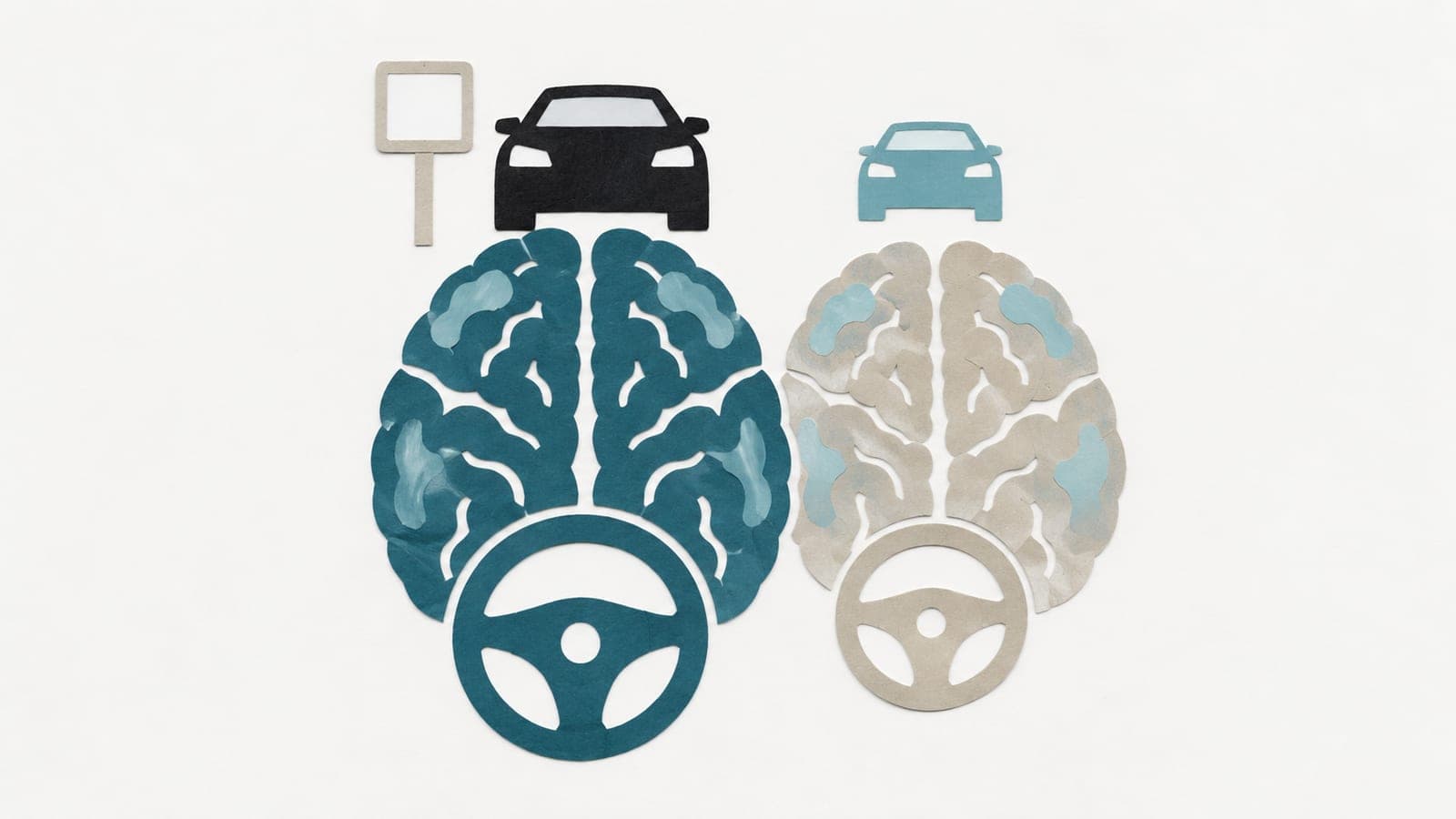
Emotional episodes involve partially coordinated changes in experience and autonomic activity, and subjective-physiological coherence appears to vary with aging and physiological stress. Physiological accounts of emotional aging propose that age-related changes in autonomic and interoceptive function reduce the informativeness of bodily signals, weakening the coupling between feelings and bodily responses. We test whether subjective-physiological coherence is lower in older vs. younger normoxic adults, lower in hypoxic vs. normoxic younger adults, and similar in hypoxic younger adults and older normoxic adults; in secondary mechanism-oriented analyses, we examine whether heart-rate variability and cardiac interoceptive accuracy are statistically related to group differences in coherence. We will test these questions in three groups (N = 120): younger adults in normoxia, younger adults under acute hypoxia (FiO₂ ≈ 12%), and older adults in normoxia. Participants will view emotional images and provide trial-wise ratings of affect and approach motivation while heart rate and skin conductance are recorded. Emotional coherence will be indexed primarily by within-person correlations between subjective arousal ratings and autonomic reactivity, with approach motivation and valence examined as complementary subjective dimensions.
The paper
University of Lausanne
Psychophysiology, 1 Jul 2026, Open access