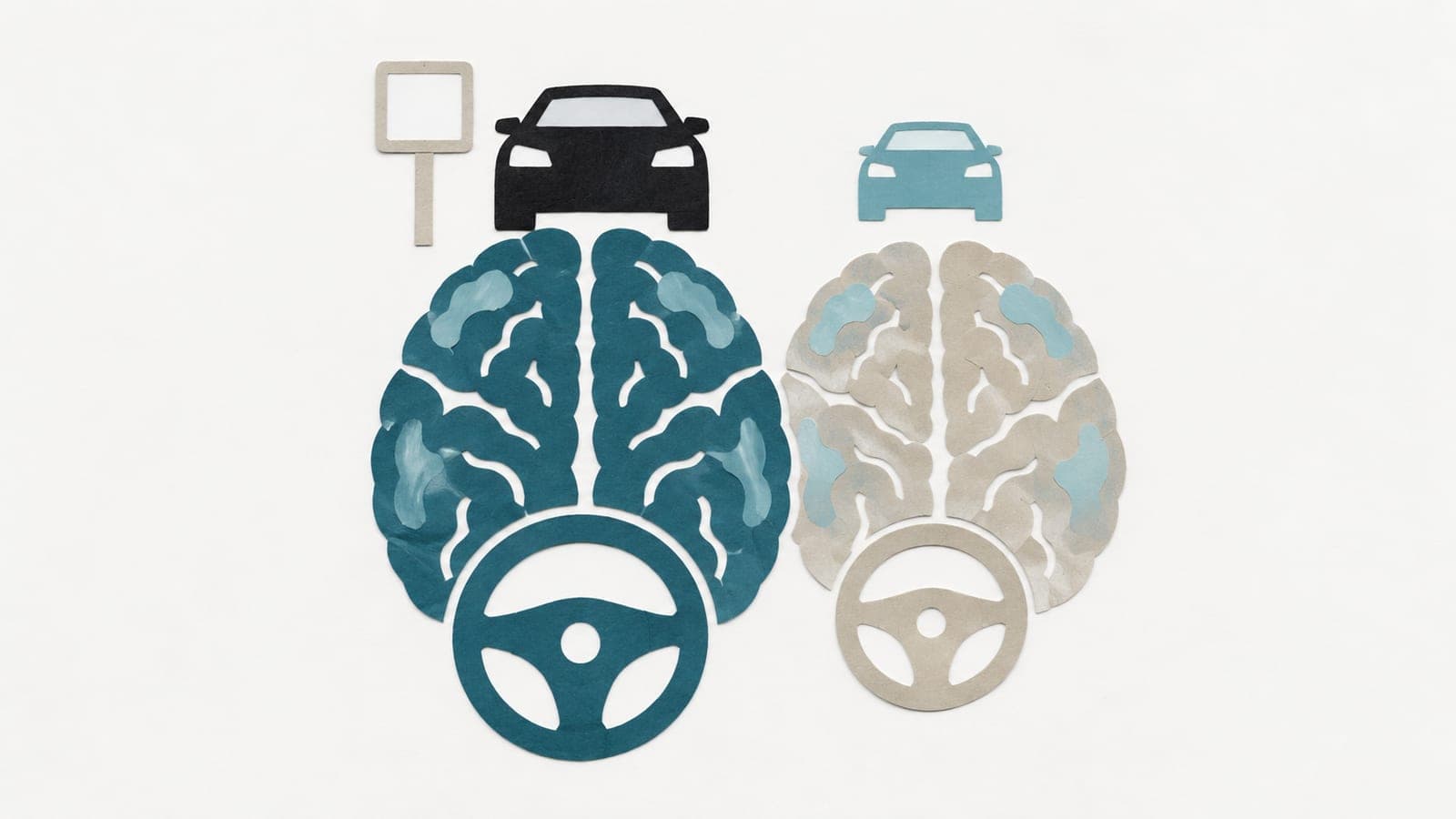
Older adults exhibit multisensory-specific cognitive control effects
Abstract
We rely on the efficient processing of signals from an array of sensory organs to facilitate appropriate responses to the world around us. Normal, healthy aging has been associated with a decline in our ability to do this effectively. This is especially true when the task is complex and/or the signals are conflicting, implying that cognitive control may play a role. However, multisensory aging studies rarely make direct comparisons with unisensory tasks, and past research into age-related changes in cognitive control has focused heavily on unisensory stimuli. It is therefore unclear whether previously reported age differences are specific to multisensory perception or instead result from general impairments to cognitive control. The present study aimed to compare the effects of aging on cognitive control in unisensory versus multisensory contexts. Younger (n = 53; 18-30 years) and older (n = 61; 65-88 years) adults completed visual and audiovisual Stroop tasks, with and without trial-by-trial task switching to manipulate cognitive control demands. No age-related decline in performance was found in any unisensory condition. The groups also responded similarly to multisensory stimuli in the absence of task switching. However, older adults performed markedly worse during multisensory task switching, particularly in response to incongruent stimuli. Our findings clearly demonstrate that circumstances exist under which older adults exhibit deficits specific to multisensory processing and that these age differences are influenced by changes in cognitive control. (PsycInfo Database Record (c) 2026 APA, all rights reserved).
The paper
Nottingham Trent University
Psychology and Aging, 22 Jun 2026