Losing a transport protein impairs cell recycling in flies
Genetic experiments showed that reactive oxygen molecules contributed to impaired recycling in developing fly glands; adults lacking the transport protein also lived shorter lives.
Our read
Mechanisms- Studied:
- Experiments in fruit flies, against control flies
- What changed:
- Flies lacking hermes had less intestinal cell recycling than controls
- The catch:
- Adult gut cell recycling was assessed through markers
- Why it’s aging research:
- Lifespan, survival or healthspan.
Editor of record: Boris Djordjevic · AgingResearch.News
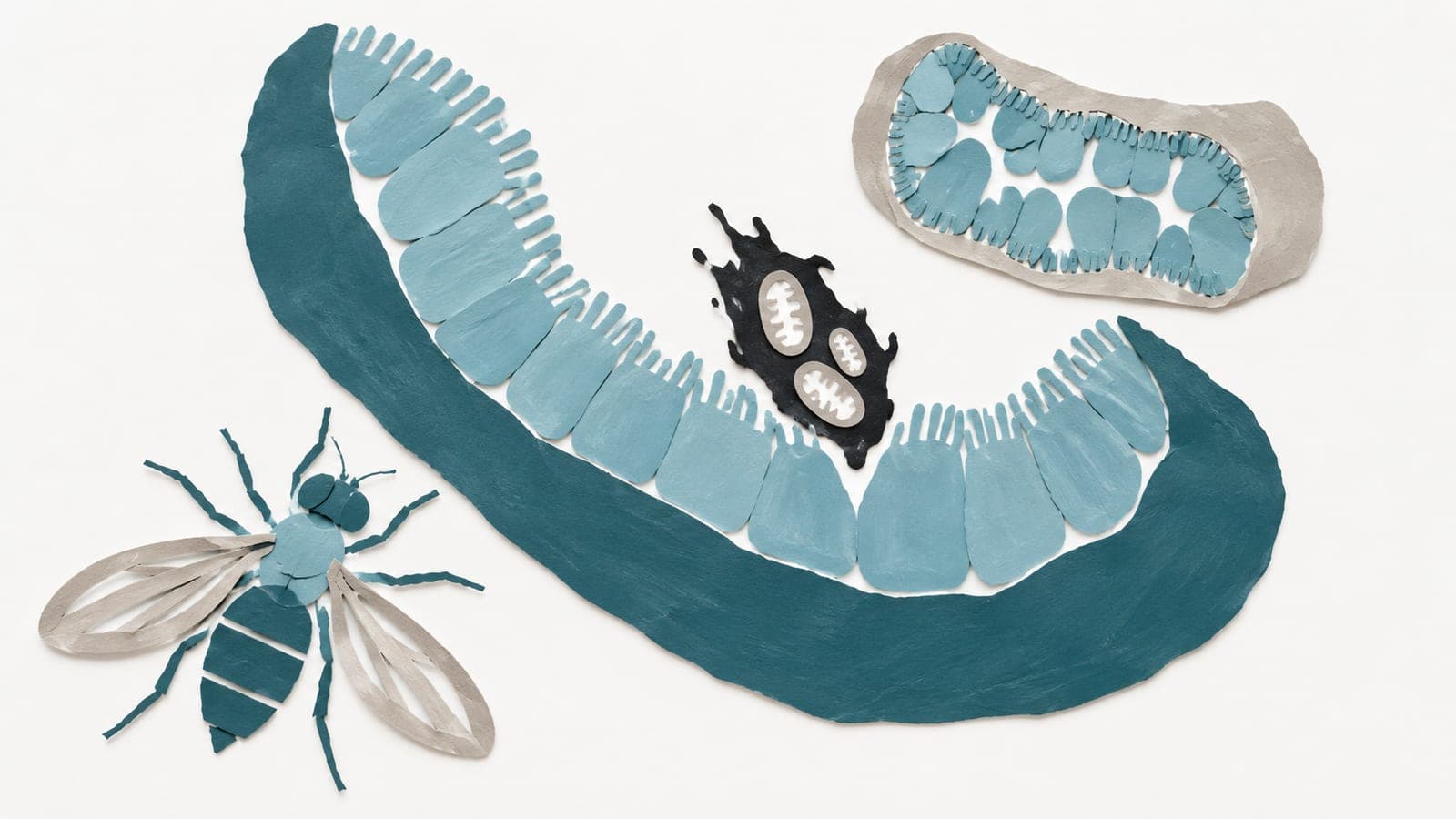
Experiments in Drosophila melanogaster fruit flies tested hermes, a protein that moves the cellular fuel pyruvate across the cell membrane. Researchers examined developing salivary glands, adult lifespan and intestines from 20-day-old females.
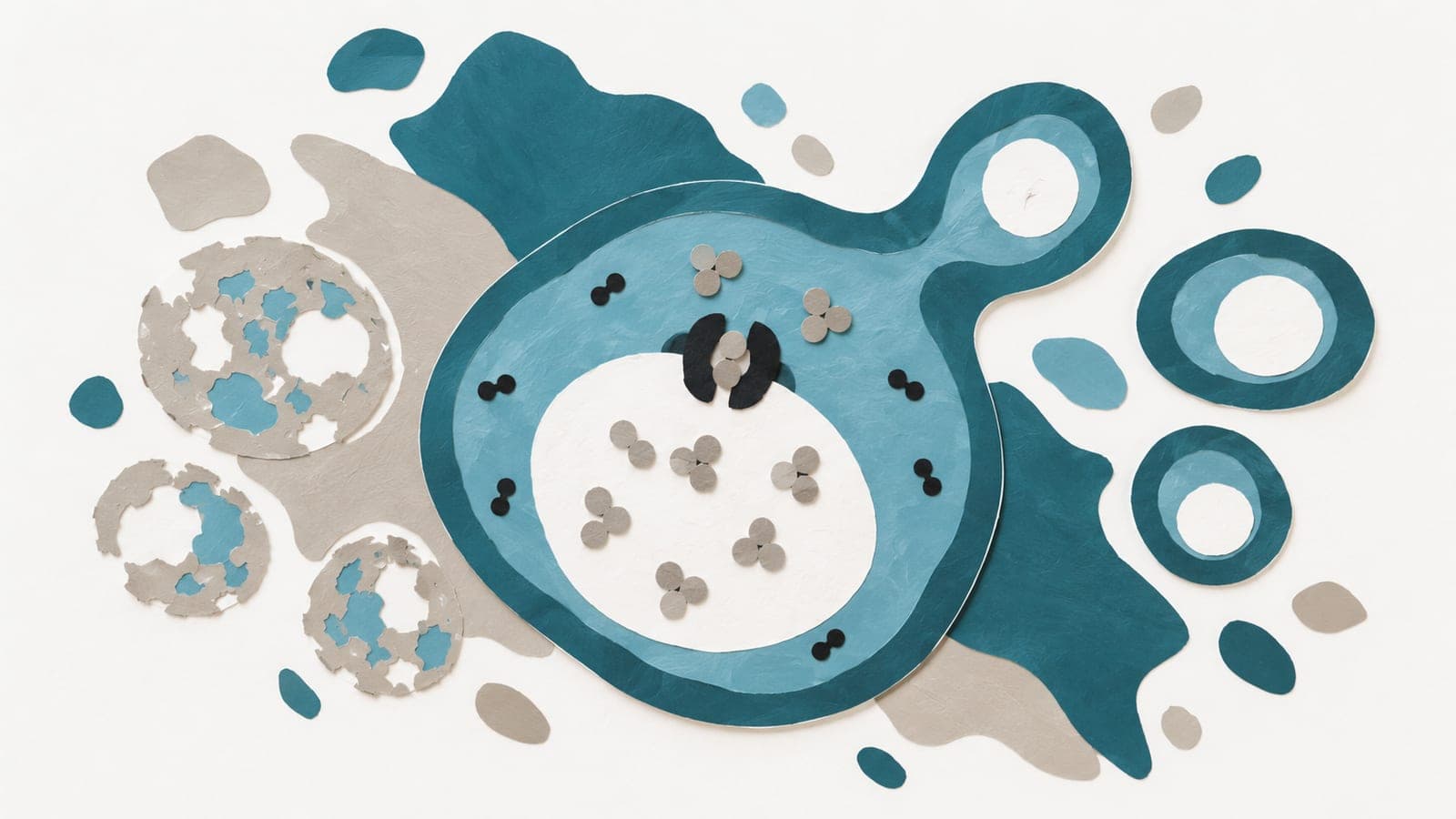
Reducing hermes in developing glands increased reactive oxygen species, chemically reactive oxygen-containing molecules, and inhibited autophagy, the breakdown and recycling of cell material. This inhibition depended on pyruvate entering mitochondria, the cell’s energy-producing structures, and being processed through the Krebs cycle, a series of energy-releasing reactions. Boosting catalase, an enzyme that breaks down hydrogen peroxide, reduced reactive oxygen species and restored cell recycling in these glands. Adult flies lacking hermes lived shorter lives than controls and had impaired intestinal autophagy. Reducing hermes specifically in gut cells also shortened lifespan.
Why it matters
The intestinal findings bear on how nutrient processing and cellular maintenance contribute to lifespan and overall health.
Caveats
The detailed metabolic pathway experiments used developing salivary glands, while adult gut experiments assessed cell-recycling markers and lifespan. These fly results do not establish effects in people.
The paper
The pyruvate transporter hermes regulates autophagy and health by modulating ROS production
University of Massachusetts Chan Medical School
Cell Reports, Jun 19, 2026, Open access
Comments
Be the first to comment.