Frailty is associated with lower-limb osteoarthritis incidence over six-years regardless of sex and type of frailty index in the Canadian longitudinal study on aging
Abstract
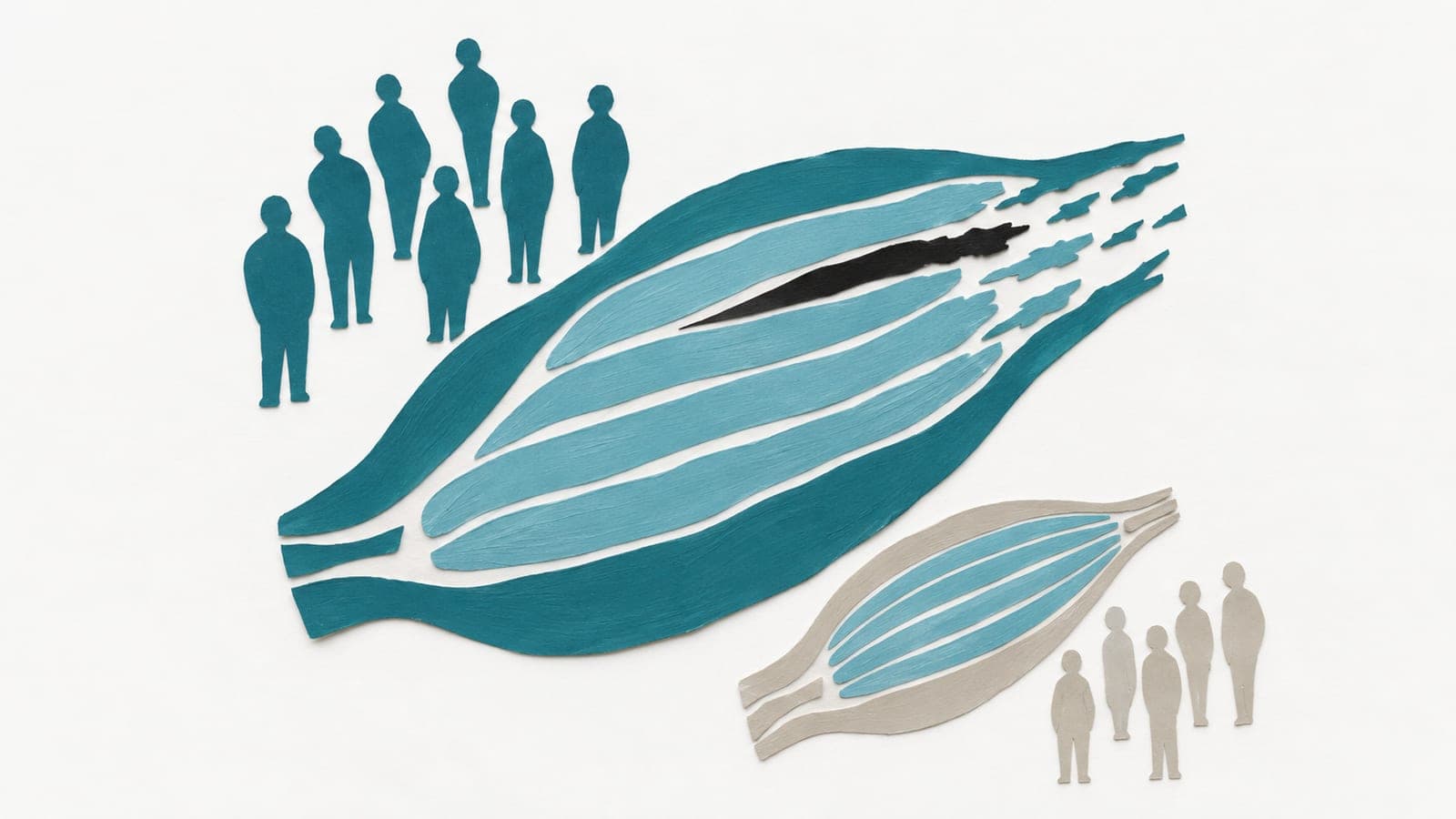
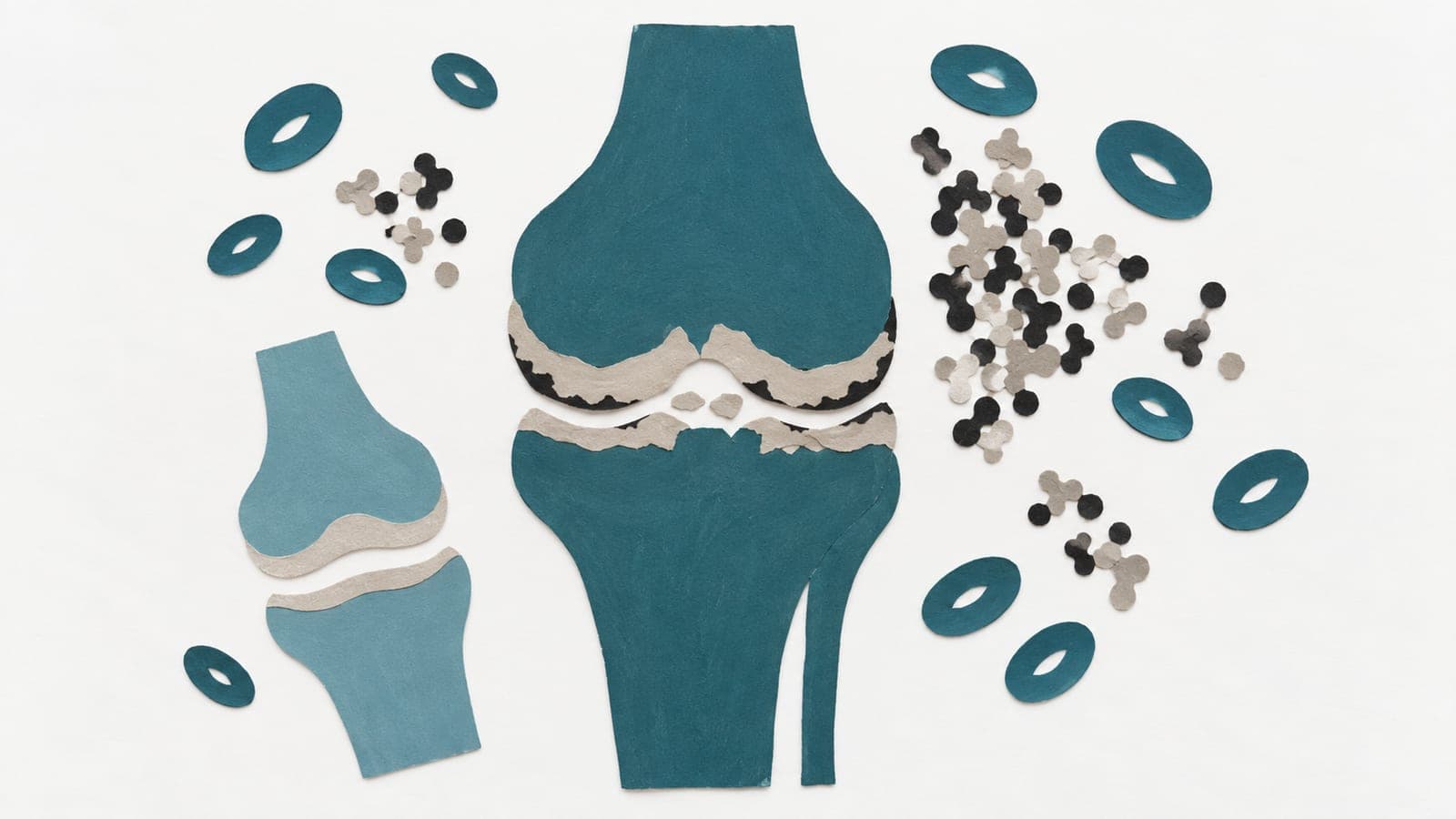
OBJECTIVE: We aimed to test whether increases in frailty are associated with a higher likelihood of developing lower-limb osteoarthritis over six-years, with stronger associations in females, and to compare whether results are specific to a self-reported versus a comprehensive frailty index. DESIGN: Data were drawn from the Canadian Longitudinal Study on Aging's comprehensive cohort. Frailty was quantified using a self-reported (FI-SELF; 46-items; n = 24,212) and comprehensive frailty index (FI-COM; 86-items; n = 13,757) at baseline, three-year, and six-year follow-up. Incident osteoarthritis was defined as self-reporting whether a doctor had ever diagnosed hip or knee osteoarthritis. Time-varying Cox proportional hazards models examined the relation between frailty and osteoarthritis incidence. Models included a frailty × sex interaction and adjusted for age, body mass index, and marital status. Sex-stratified models were also conducted. RESULTS: Higher frailty was associated with a greater likelihood of developing lower-limb osteoarthritis over six-years. Using the FI-SELF, each 0.01-point increase (one additional health deficit) corresponded to a 4.7% higher hazard of osteoarthritis in males (HR = 1.047, 95% CI 1.042-1.051) and a 5.0% higher hazard in females (HR = 1.050, 95% CI 1.047-1.054). However, there was no significant frailty × sex interaction for either the FI-SELF (p = 0.057) or FI-COM (p = 0.406), indicating similar associations across sexes. Findings were consistent between the FI-SELF and FI-COM. Females exhibited higher frailty scores than males at baseline, three-year, and six-year follow-up (all p < 0.001). CONCLUSION: Longitudinal changes in frailty are independently associated with incident lower-limb osteoarthritis in both males and females over six-years, with similar results when using either the FI-SELF or FI-COM.
The paper
Université de Sherbrooke
Osteoarthritis and Cartilage Open, 27 May 2026, Open access