Loss of endogenous tau suppresses APOE4-induced patterned behavioral decline and axon dysmorphia in a model of Alzheimer's disease
Abstract
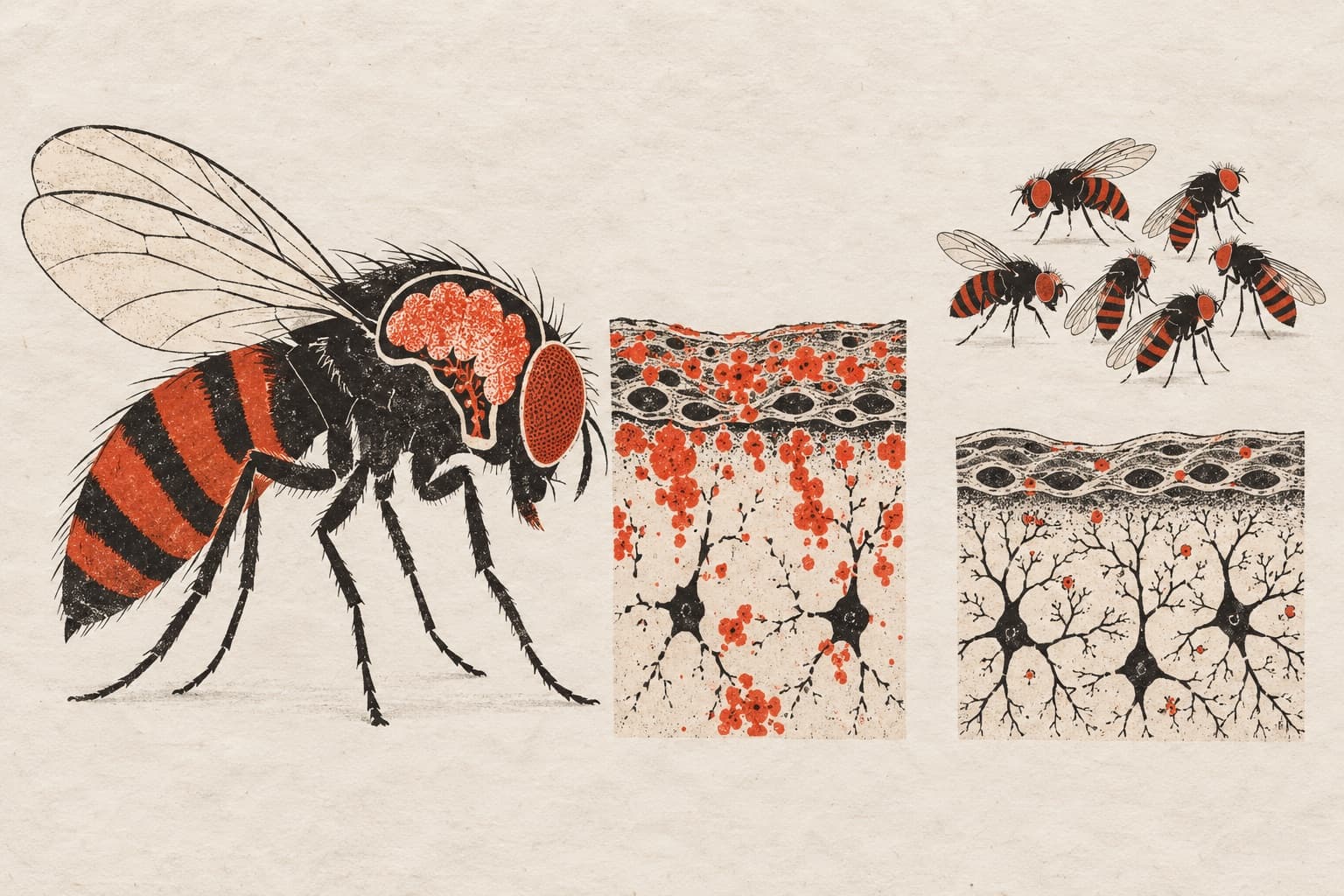
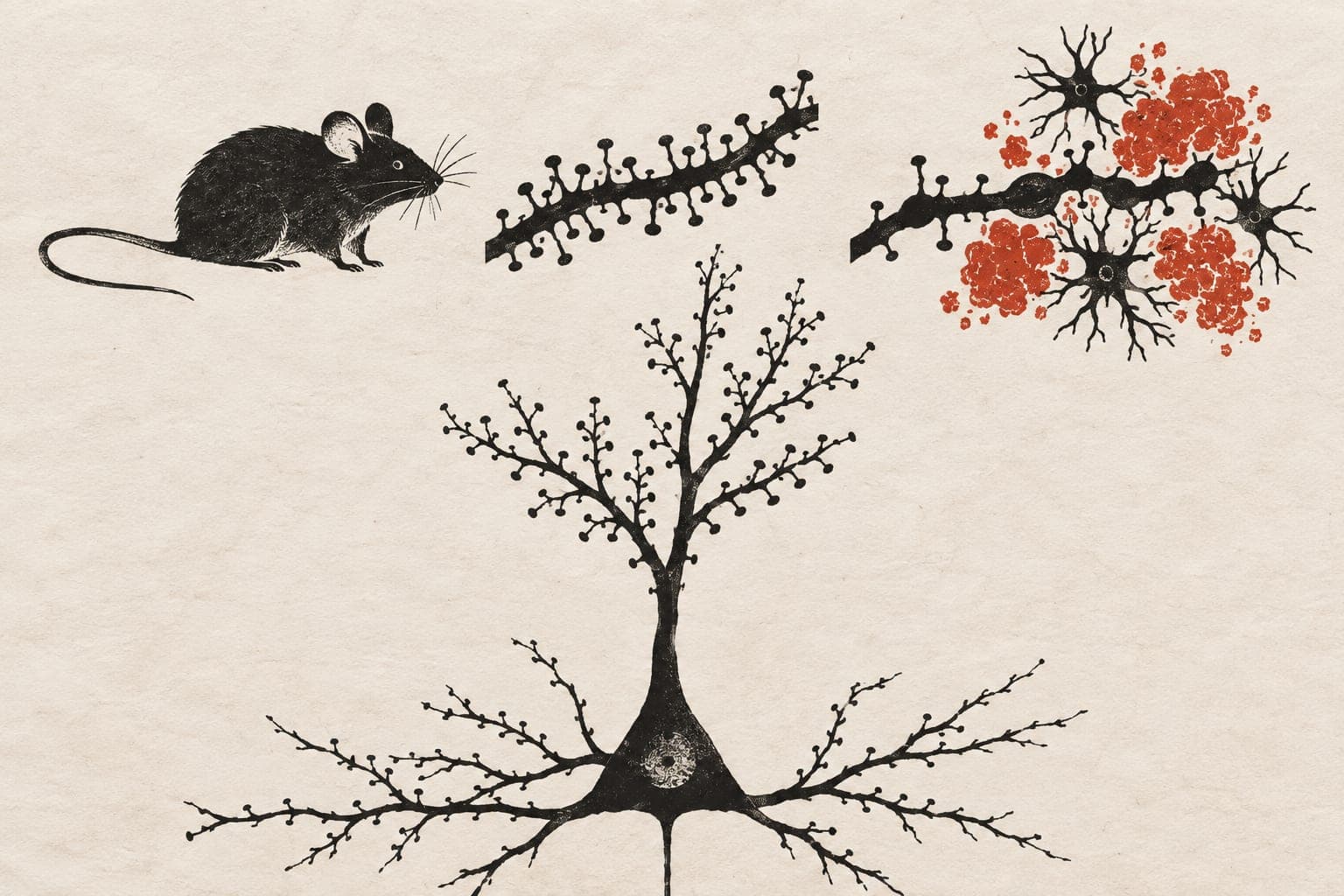
Alzheimer's disease (AD) causes a characteristic spatiotemporal pattern of neurodegeneration. The factors that account for this pattern of degeneration, including associated neuronal dysfunction and dysmorphia, are unclear. Previously, we generated a model of AD using the nematode Caenorhabditis elegans with the AD risk variant of apolipoprotein E (APOE4). We showed that the soma of HSN class neurons degenerate in early-adult animals. Here, we performed behavioral analyses to deduce the effect of APOE4 on the function of distinct neuronal circuits. We found evidence that APOE4 induces dysfunction of other neurons; this spatiotemporal pattern roughly correlates with endogenous levels of PTL-1, the C. elegans homolog of human MAPT, also known as tau. Moreover, deletion of ptl-1 suppressed defects in multiple behaviors, suggesting broad protective effects across the nervous system including the HSN neurons. Lastly, we showed that PTL-1 in the touch receptor neurons, in which PTL-1 is most abundant, contributes non-cell autonomously to age-related axon dysmorphia and dysfunction of the HSN neurons. Our results suggest that C. elegans provides a useful in vivo system to study how endogenous tau acts downstream of APOE4 to cause progressive, patterned neurodegenerative phenotypes.
The paper
The University of Texas at Austin
Disease Models & Mechanisms, 11 Jun 2026, Open access