APOE4 Increases Systemic Inflammation and Alters Metabolic and Neuroprotective Pathways following Multiagent Chemotherapy in Older Human APOE Knock-In Mice
Abstract
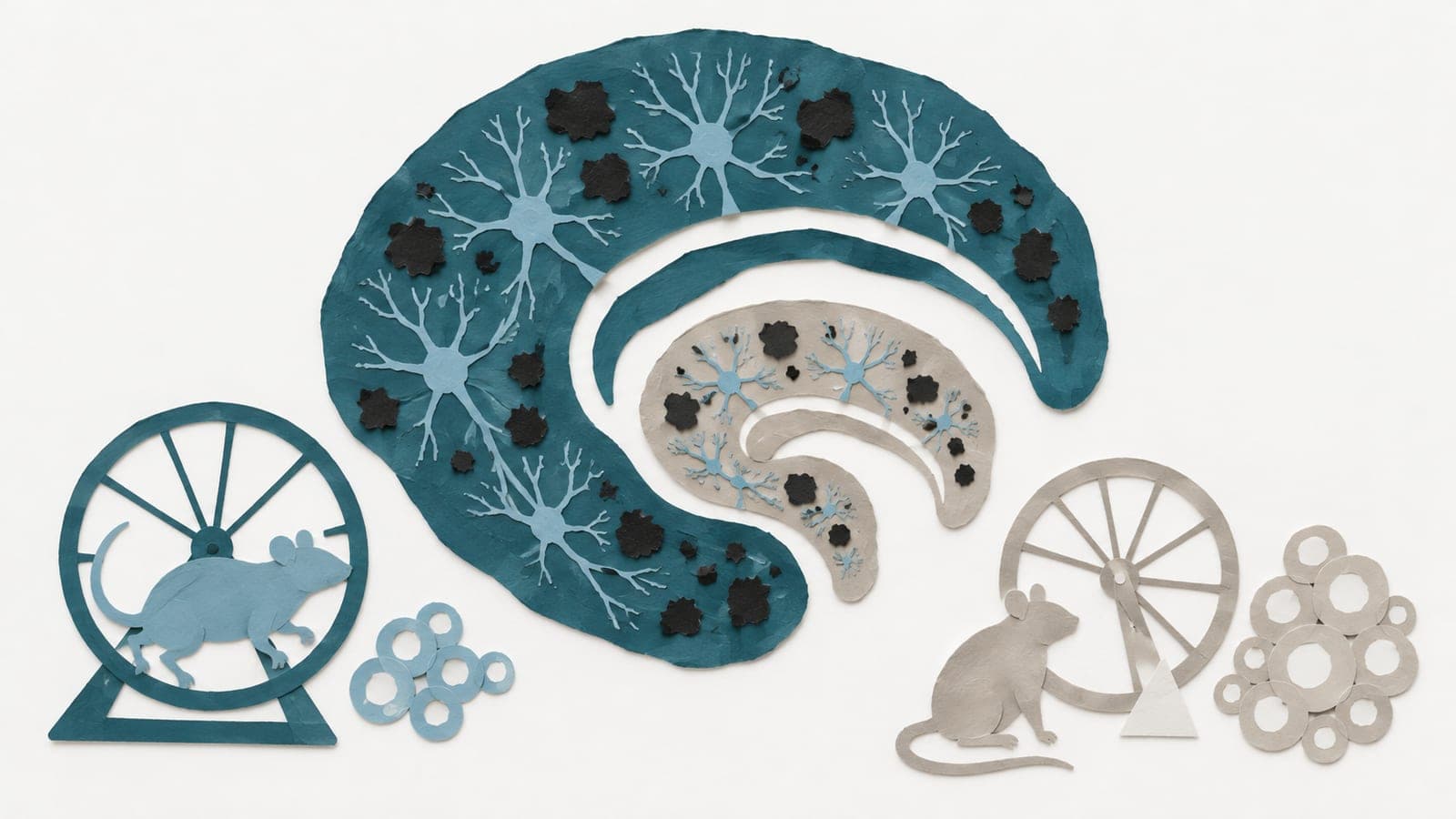
The median age at breast cancer diagnosis is approximately 62 years, with 50% to 70% of women experiencing postchemotherapy cognitive impairment, particularly those with the APOE4 allele. Preclinical studies, primarily using young mice and single-agent treatments, have shown the role of APOE4 in postchemotherapy cognitive function. Using 14- to 16-month-old APOE3 and APOE4 C57Bl/6 mice, the effects of doxorubicin + docetaxel or doxorubicin + cyclophosphamide were examined before and 2 weeks after treatment. At baseline, APOE4 mice had significantly higher plasma levels of interferon-γ, tumor necrosis factor-α, and regulated on activation normal T cell expressed and secreted than APOE3 mice. Regulated on activation normal T cell expressed and secreted and tumor necrosis factor-α decreased in the APOE4 mice with both treatment regimens. IL-1β decreased significantly after doxorubicin + docetaxel, and interferon-γ decreased after doxorubicin + cyclophosphamide treatment. No significant APOE3-specific changes were seen. Magnetic resonance spectroscopy identified modest APOE-specific brain metabolite differences. No significant changes in senescence-associated β-galactosidase were observed in either model. Spatial transcriptomics suggested that the synaptic, inflammatory, and lipid-metabolic pathways were increased in the APOE3 hippocampus and suppressed in APOE4 mice, and the APOE4 cortex showed increased protein biosynthetic, G protein-coupled signaling, and stress/aging-related pathways. Overall, aged APOE4 mice exhibited chronic systemic inflammation and compromised repair-associated responses following chemotherapy, suggesting vulnerability to treatment-induced neurotoxicity.
The paper
Qatar University; Georgetown University
The American Journal of Pathology, 10 Jun 2026, Open access