Temporal Proteomic Profiling Reveals Tissue-Specific and Coordinated Metabolic Reprogramming in Skeletal Muscle and Liver during Prolonged Fasting
Abstract
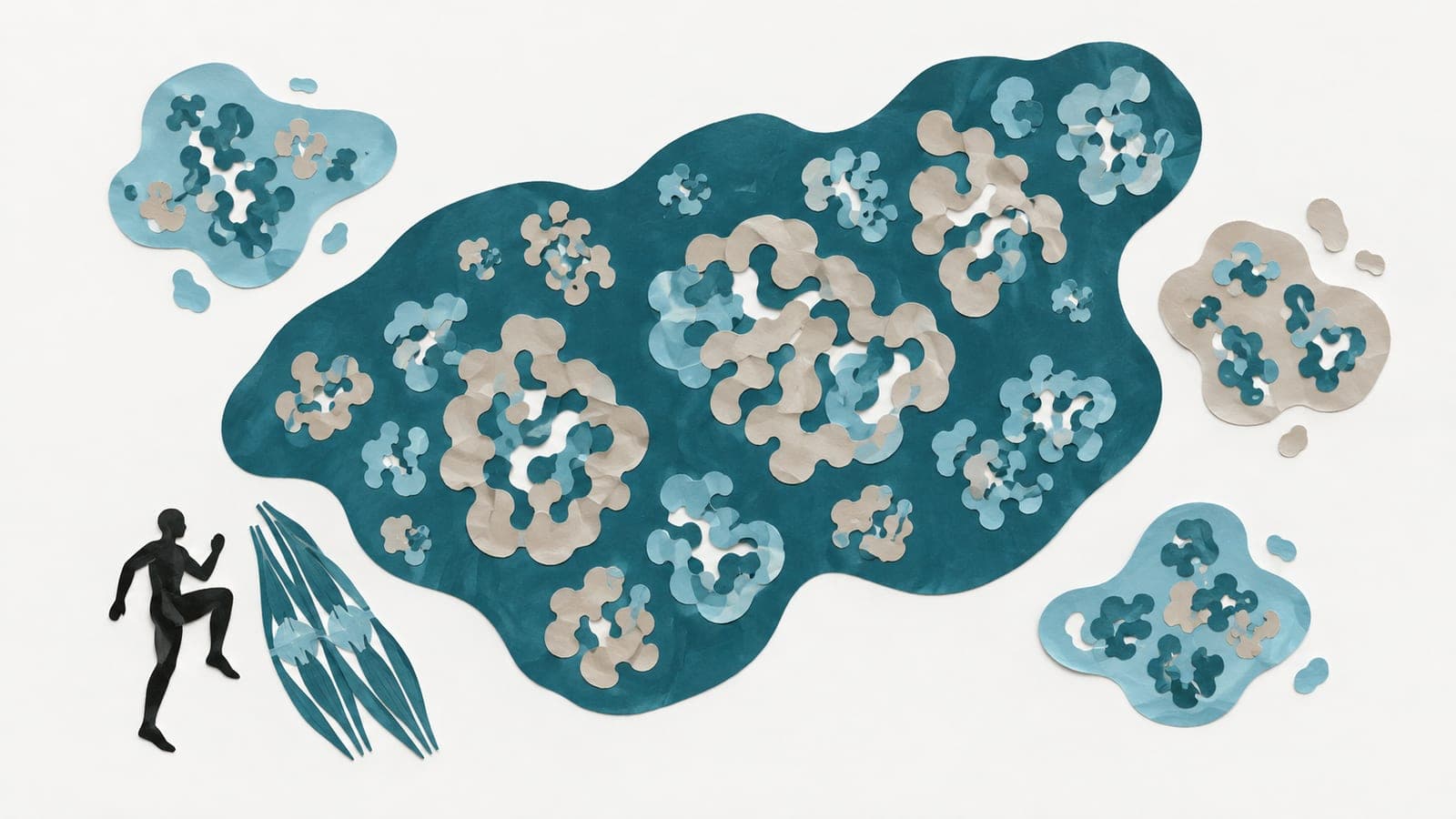
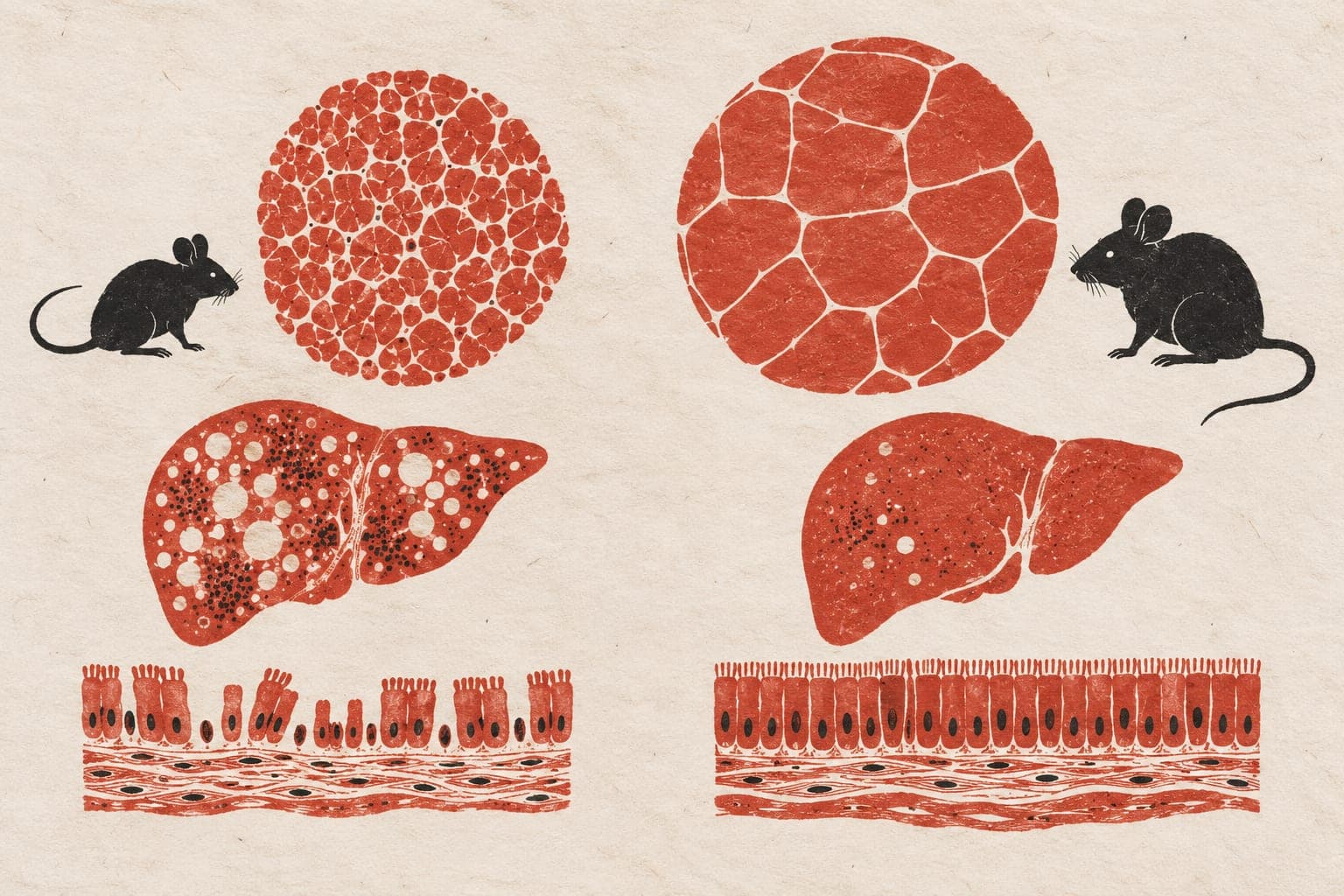
Fasting triggers profound systemic metabolic adaptations that are essential for survival during nutrient scarcity, yet the temporal dynamics and cross-tissue coordination of proteomic remodeling remain incompletely characterized. Here, we employed quantitative proteomics to systematically profile the gastrocnemius (GA) muscle and liver of mice subjected to a 72 h fasting challenge at five time points (0, 12, 24, 48, and 72 h). Principal component analysis and hierarchical clustering revealed progressive, time-dependent proteomic reprogramming in both tissues, with distinct temporal trajectories of differentially expressed proteins (DEPs). GA muscle exhibited a biphasic response, with maximal downregulation at 48 h and peak upregulation at 72 h, whereas liver displayed a monotonic increase in DEPs, predominantly characterized by suppression of anabolic programs. Integrative cross-tissue analysis identified 97 conserved fasting-responsive proteins, including molecular chaperones (HSPA5, HSP90B1), complement components (C3), and coagulation factors (FGA, KNG1), which formed highly interconnected protein-protein interaction hubs. Fuzzy c-means clustering resolved five major temporal expression modules in each tissue, revealing coordinated shifts in mitochondrial metabolism, proteostasis, translation, and stress-response pathways. Spearman correlation analysis demonstrated moderate yet stable cross-tissue concordance (r = 0.43-0.48) throughout fasting, suggesting shared systemic regulatory mechanisms. Collectively, our findings provide a comprehensive temporal atlas of fasting-induced proteomic remodeling, revealing tissue-specific adaptive strategies alongside conserved molecular programs that orchestrate multi-organ metabolic homeostasis during prolonged nutrient deprivation.
The paper
Nanchang University; Beijing Jishuitan Hospital
Proteomics, 21 May 2026