Cell Metabolism
Exerkine GPLD1 bridges liver and brain
CommentaryMechanisms
Abstract
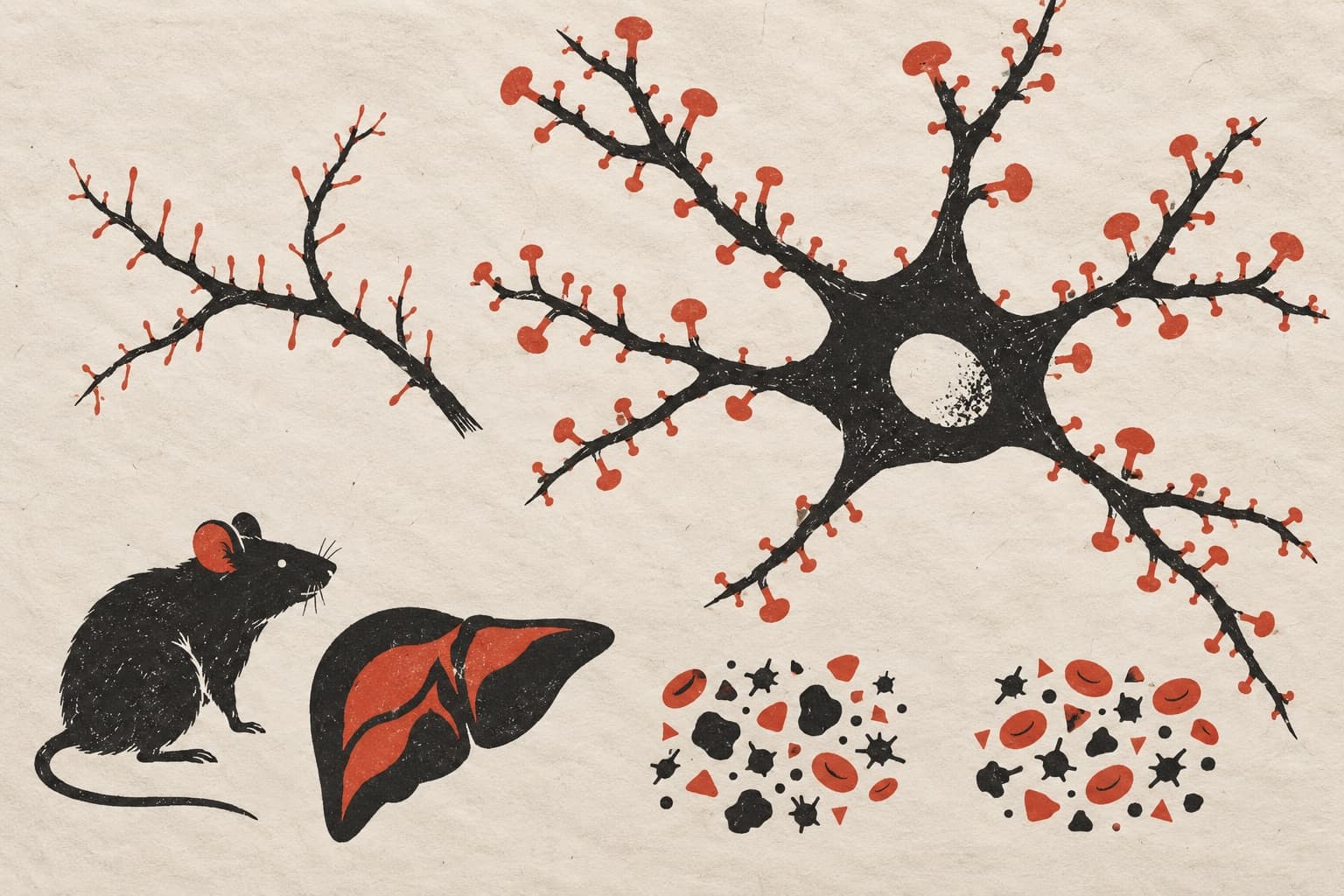
A recent study by Bieri et al. shows that exercise elevates hepatic glycosylphosphatidylinositol-specific phospholipase D1 (GPLD1), which cleaves endothelial tissue-nonspecific alkaline phosphatase (TNAP) to rejuvenate cerebrovascular signaling, enhance cognition in aging, and attenuate Alzheimer's-related pathology. This liver-to-brain enzymatic axis positions hepatokines as potent mediators of exercise-induced neuroprotection, which redefines systemic metabolism as a driver of brain resilience.
The paper
University of California, Irvine; Research Institute Hospital 12 de Octubre
Cell Metabolism, 5 May 2026