Effector-specific corticospinal modulation is preserved in older adults during proactive stopping: A novel Bayesian approach
Abstract
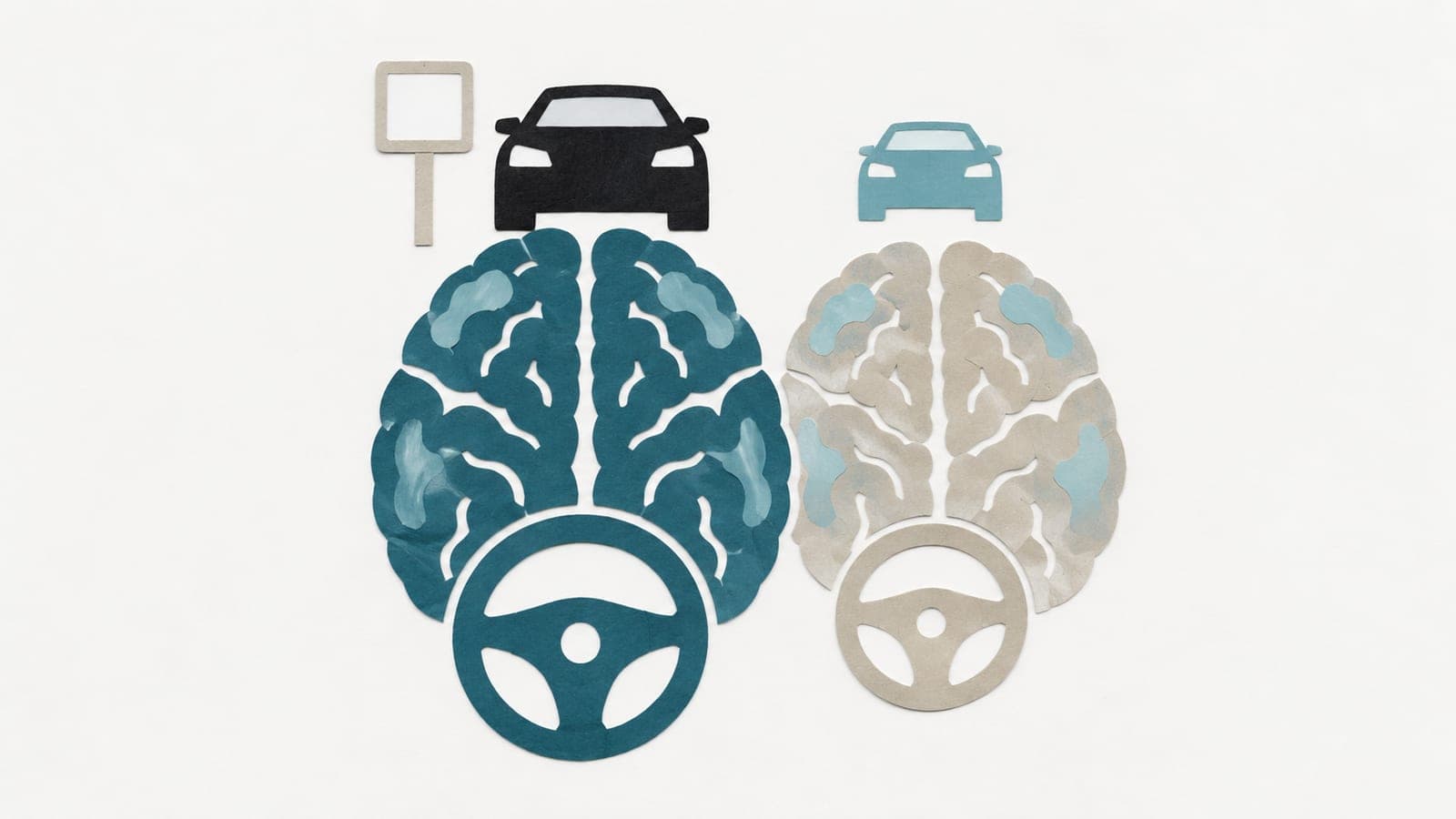
Action cancellation declines with age, contributing to impairments in executive function and overall motor performance. While age-related deterioration of reactive inhibition (stopping an action in response to an external signal) is well-established, less is known about how ageing affects proactive inhibition (preparatory mechanisms which increase the chance that an action can be successfully stopped). This study examined how proactive and reactive inhibitory processes, assessed via changes in corticospinal excitability (CSE) and behaviour, vary as a function of ageing during a modified stop signal task. Forty-five older and younger adults made bimanual responses to an imperative signal and attempted to cancel one (selective stopping) or both (global stopping) responses, based on presentation of a stop signal. We compared reactive stopping to proactive stopping where cues informed participants which hand/s may have to stop. Data were analysed using Bayesian model averaging of linear mixed models. Proactive cueing increased reaction times in both groups (BF₁₀>1000). Older adults exhibited greater slowing of ongoing action components (unilateral responses) following successful selective cancellation, compared to younger adults (BF₁₀>1000). There was strong evidence against age difference in CSE modulation (BF₀₁=57). Both age groups exhibited effector-specific CSE modulation following proactive cues, with reduced MEP amplitudes in the hand that might need to stop, and increased amplitudes in the hand that was certain to respond (contralateral to the hand that may have to stop). These findings suggest that while ageing affects stopping behaviour, proactive inhibitory mechanisms which modulate CSE may remain preserved.
The paper
University of Tasmania
Neurobiology of Aging, 1 Apr 2026, Open access