A population-scale Red Blood Cell proteome atlas of 13,000 donors uncovers genetically encoded aging clocks predicting hemolysis, transfusion efficacy, and donor activity a decade later
12 years, independent replication
Abstract
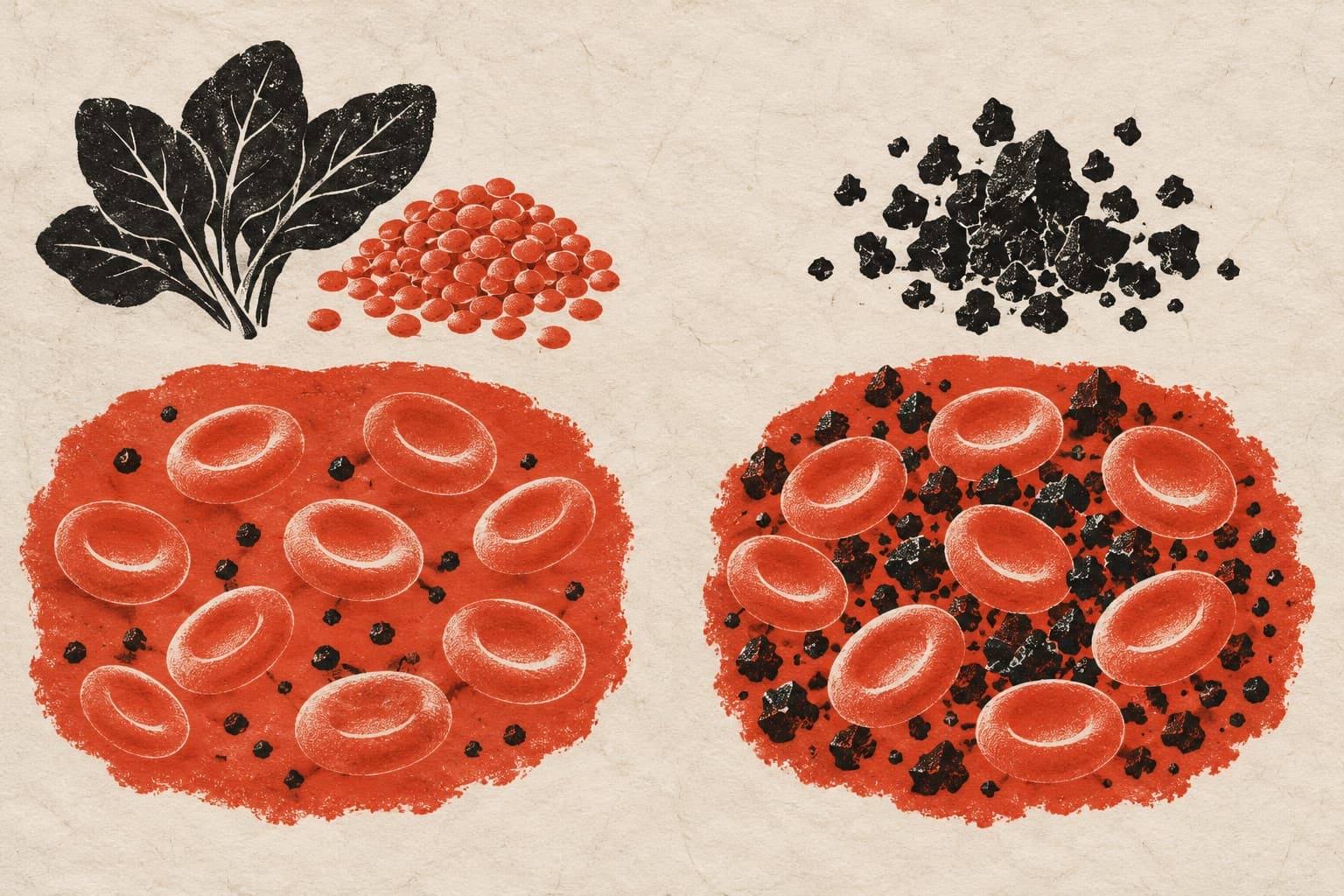
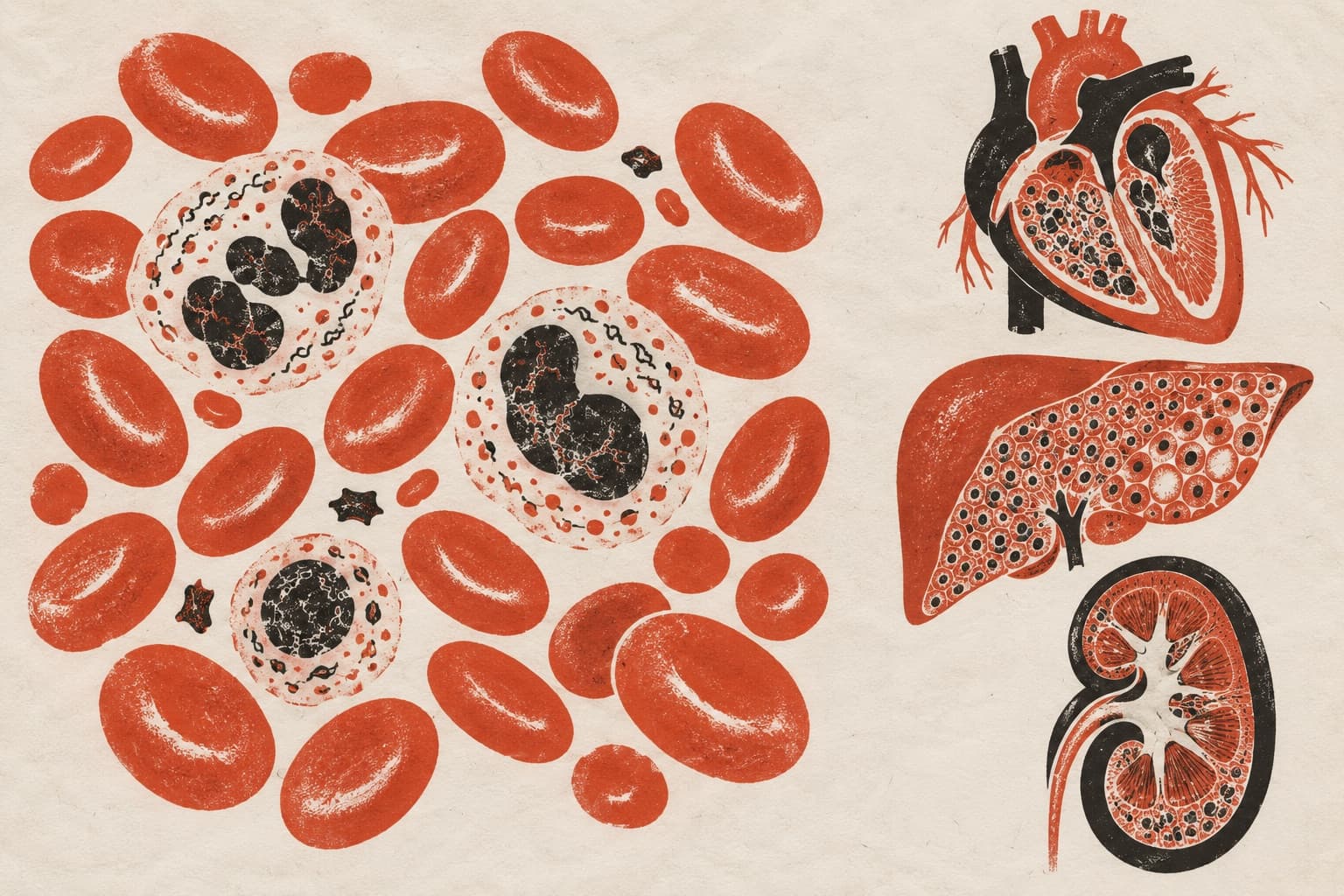
UNLABELLED: As the most abundant human cell and the foundation of transfusion medicine, red blood cells (RBCs) offer a unique readout of systemic health, yet they have never been characterized at population scale. We generated a proteome atlas of 13,091 blood donors with multi-omics longitudinal phenotyping, characterizing the influence of demographics and genetic variation on the reproducibility of RBC proteomes across donations. Elastic-net aging clocks captured biological aging with high accuracy and uncovered genetic regulators of ΔAge at FN1, C4/IKZF1, CRAT, PFAS, TRIM58. Across independent cohorts, ΔAge was accelerated in G6PD deficiency, sickle cell trait/disease, and iron deficiency, reversed by iron repletion, and slowed in high-frequency donors, linking molecular aging to brain iron/myelin and cognitive performance. Molecular aging signatures predicted storage, osmotic, and oxidative hemolysis, hemoglobin increments after transfusion, and long-term donor activity over 12-years. These results establish RBC proteomics as a scalable biomarker of aging, donor healthspan, and transfusion outcomes. HIGHLIGHTS: RBC proteome atlas of 13,091 donors reveals demographic and genetic programsGenetically encoded RBC aging clocks identify regulators of molecular ΔageMolecular aging features predict hemolysis and transfusion response across cohortsRBC molecular age forecasts long-term donor activity over a 12-year follow-up.
The paper
University of Colorado Anschutz
bioRxiv, 8 Mar 2026, Preprint, not peer-reviewed