Correlation Between Oral Health and General Medical Condition in Geriatric Patients
Abstract
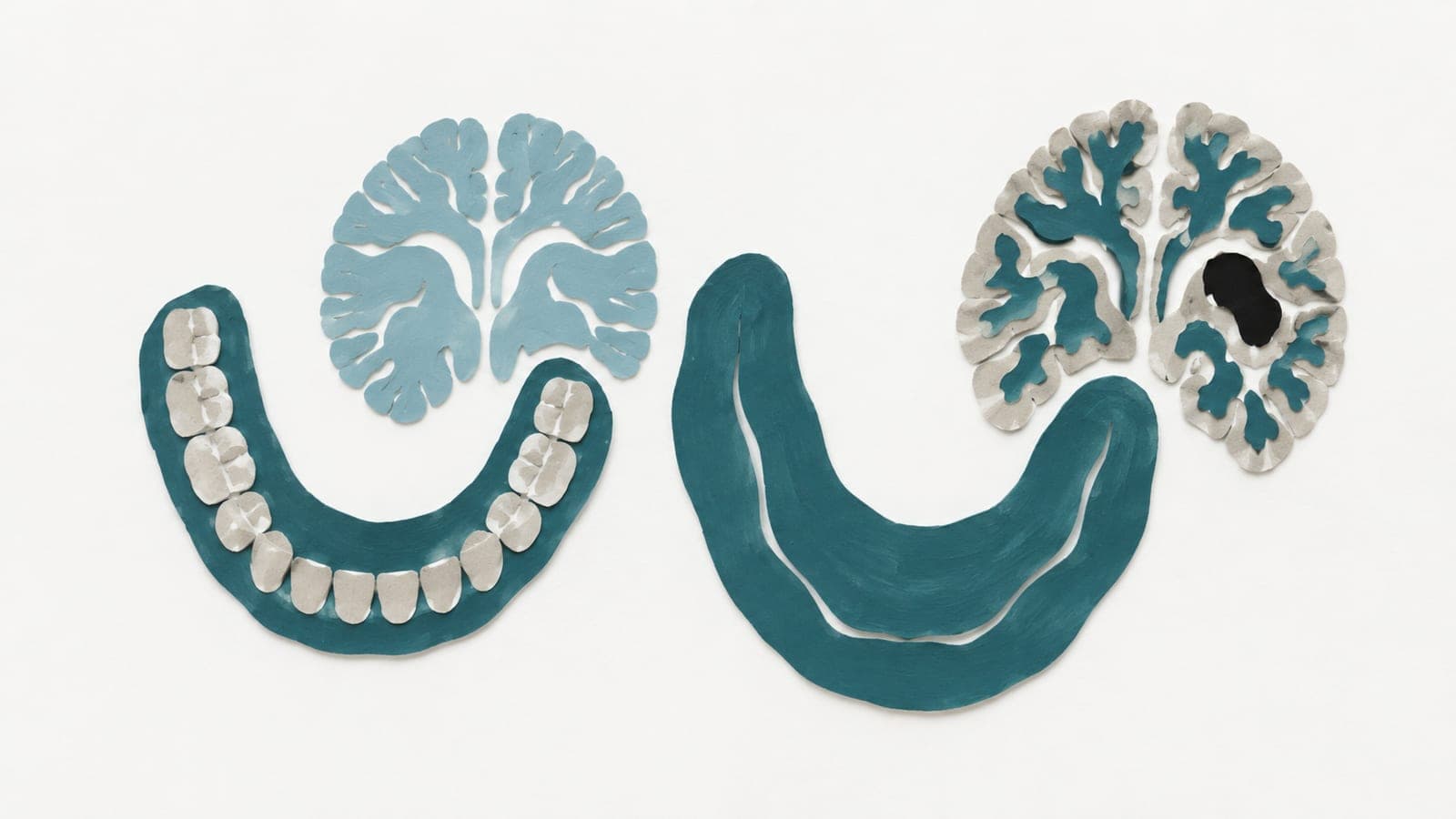
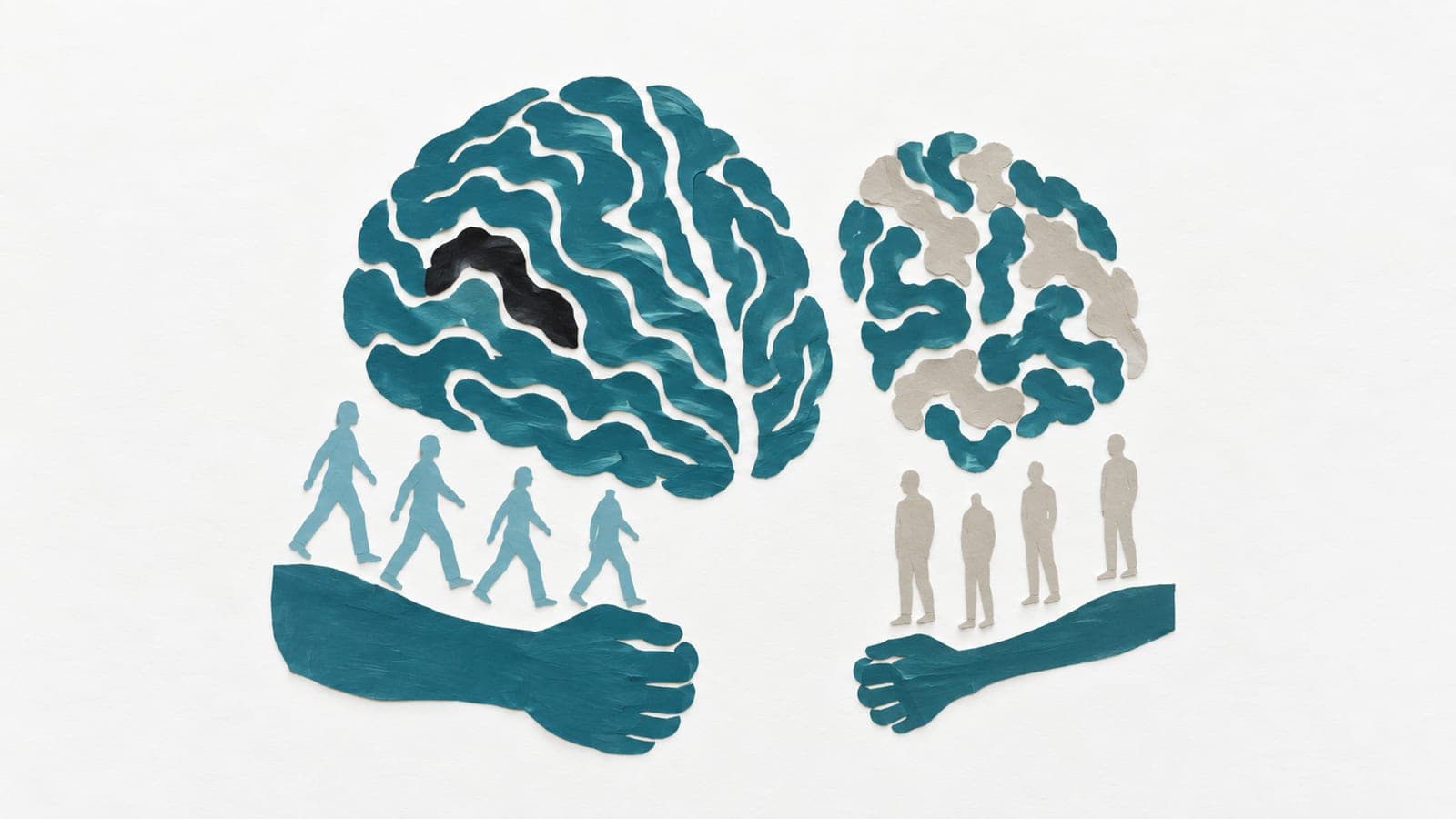
PURPOSE: The aging population presents an increasing demand for healthcare, including dental care. Oral health in older adults is often compromised by physical limitations, chronic diseases, and medications. This study investigates the oral health status of geriatric patients and its correlation with general medical, psychosocial, and functional health indicators. MATERIALS AND METHODS: A cross-sectional observational study was conducted from January 2022 to September 2023, involving 62 hospitalized patients (aged 69-99) in a geriatric unit. Dental health was assessed using the DMFT index, and geriatric assessments included the Barthel Index, Tinetti mobility test, and hand strength measurements. Participants' demographic and clinical data, such as marital status, living situation, and care level, were recorded. Descriptive and inferential statistical methods were used for data analysis. RESULTS: A statistically significant association was observed between the level of geriatric impairment and oral health status, as assessed by the DMFT index, in older patients. Cognitive function, measured by the Mini-Mental State Examination (MMSE), showed a strong relationship with oral health. Participants with severe dementia had a statistically significantly higher DMFT index (p 0.001) and a greater number of missing teeth (p 0.001) compared to those without cognitive impairment. Mild cognitive impairment was associated with an increased number of decayed teeth (p = 0.044), while severe dementia was linked to a statistically significant rise in the number of decayed teeth (p 0.001). Physical function, as assessed by the Barthel Index, was also statistically significantly associated with oral health. The DMFT index was higher among participants with mild (p = 0.007) and severe dependency (p = 0.033) compared to independent individuals. The number of missing teeth was statistically significantly greater in participants with mild (p 0.001), moderate (p = 0.049), and severe dependency (p = 0.013). Furthermore, those who were totally dependent had a statistically significantly higher number of decayed teeth (p = 0.039). CONCLUSION: Oral health is crucial to overall health and quality of life in the elderly. Integrating dental assessments into geriatric care is essential, and tailored dental treatment strategies are needed to improve the well-being of geriatric patients. Future research should explore causal relationships between oral health and geriatric diseases to refine care strategies.
The paper
Oral Health & Preventive Dentistry, 11 Mar 2026