Inflammaging in geriatric liver disease: Mechanistic insights and therapeutic frontiers
Abstract
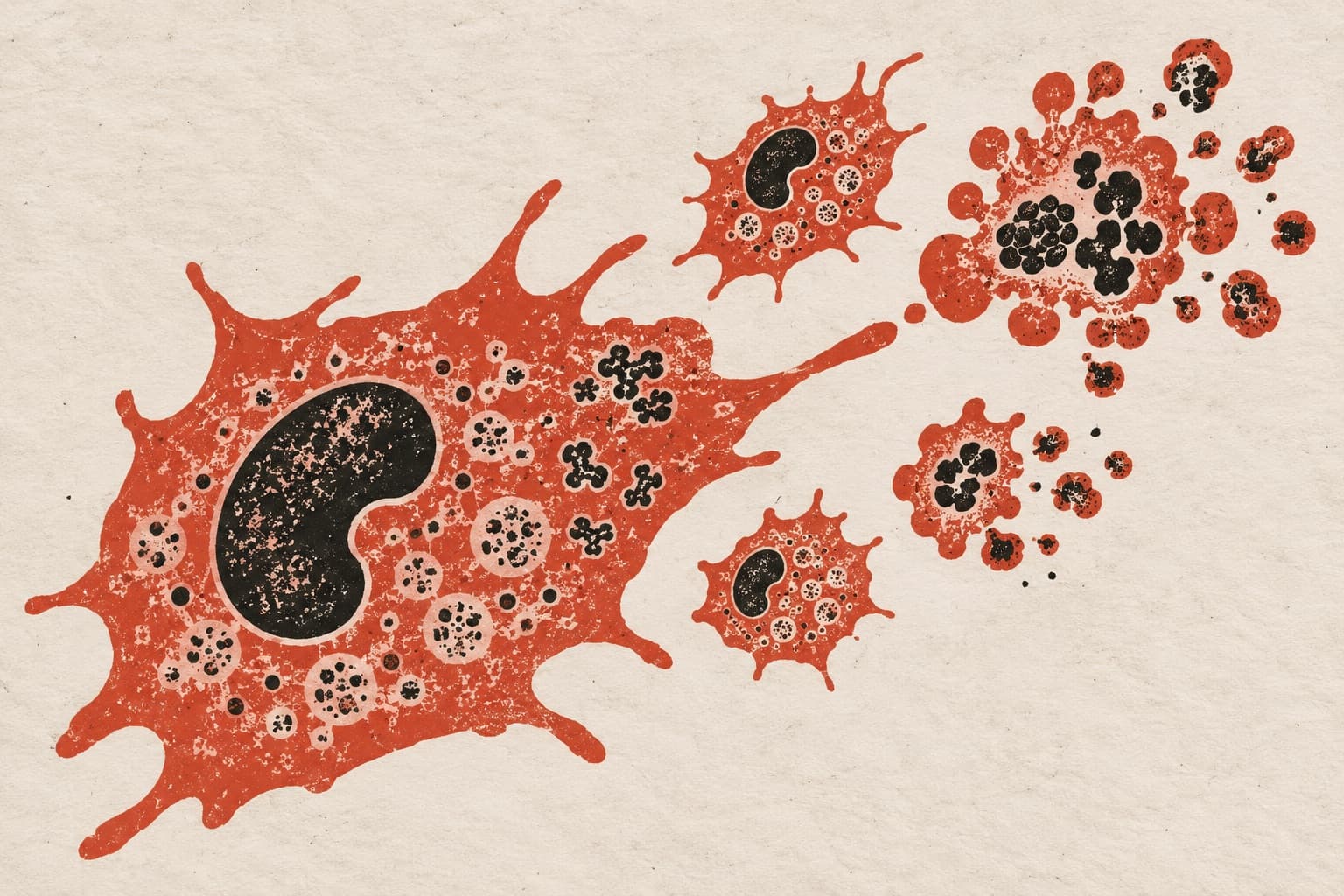
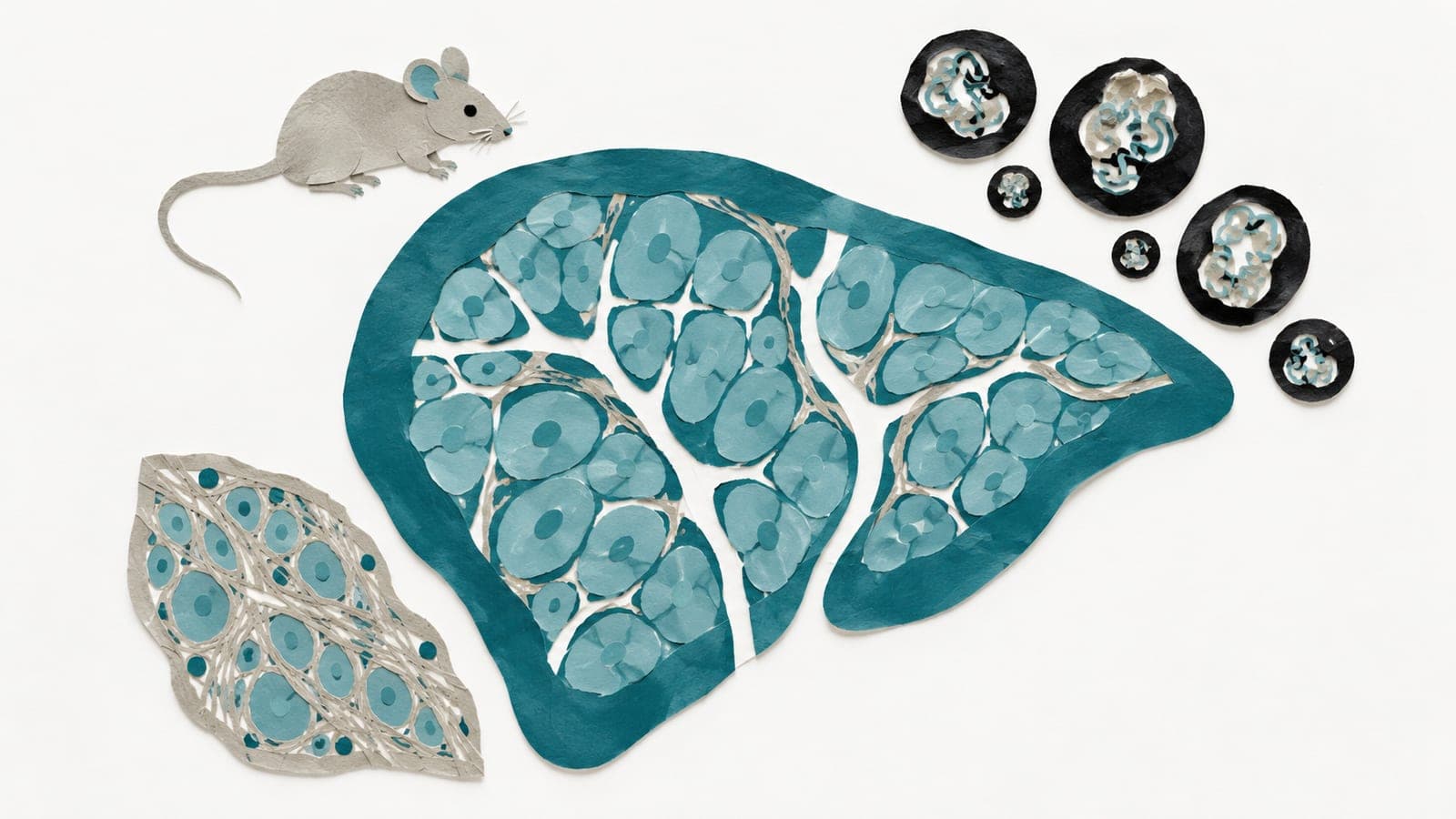
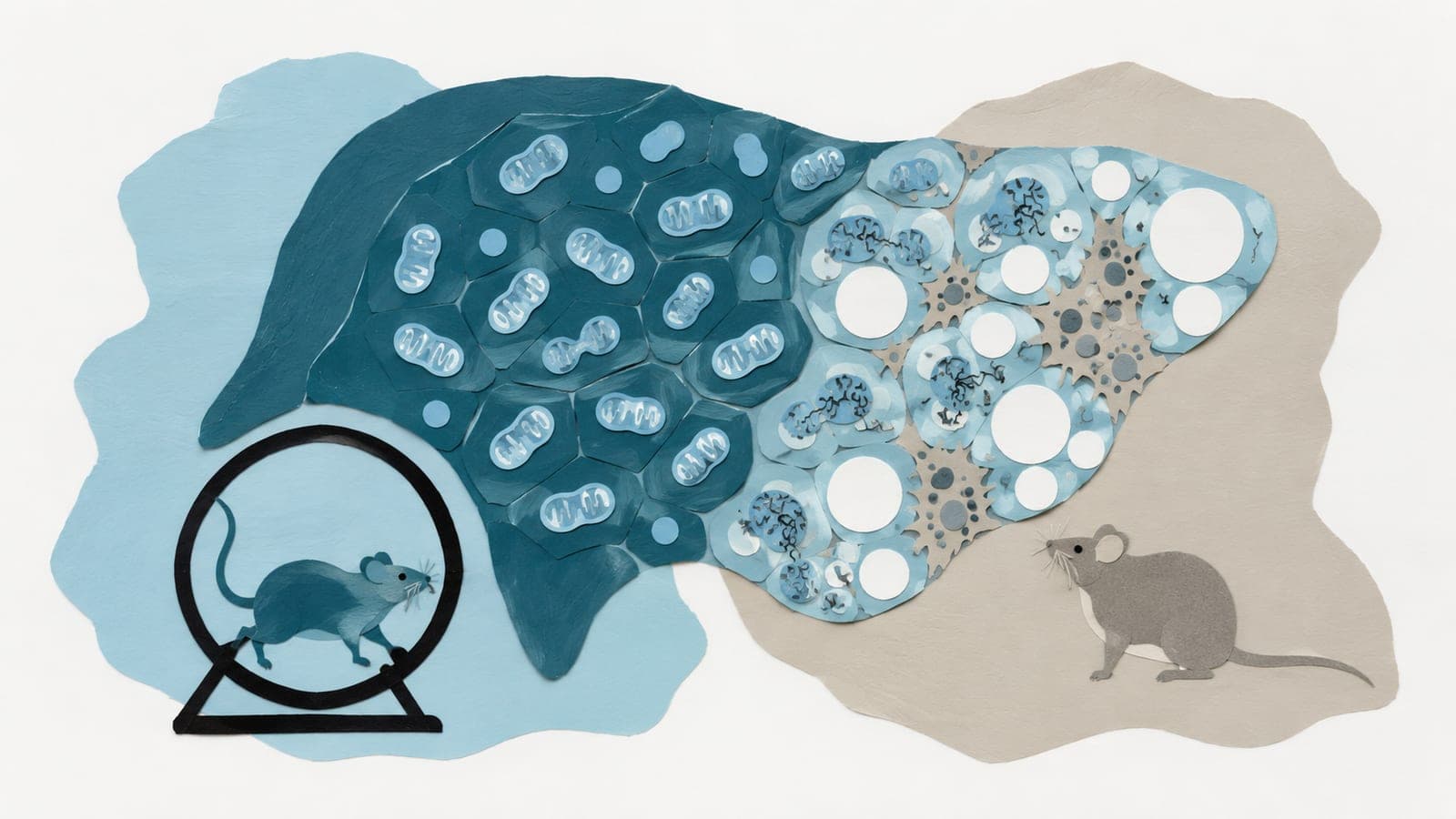
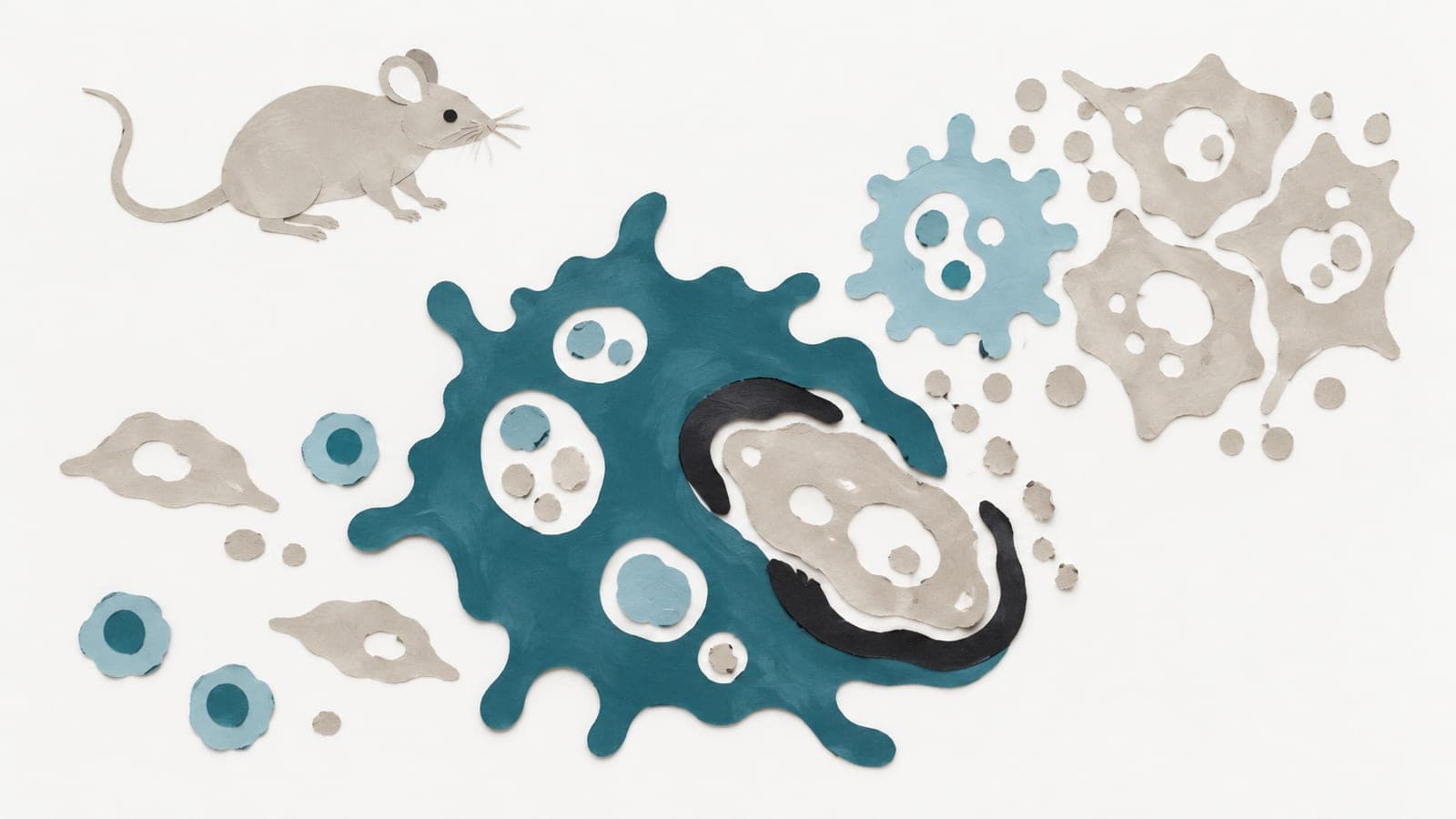
The rising prevalence of chronic liver disease in older adults necessitates a deeper understanding of the mechanisms driving hepatic vulnerability to aging. This review proposes a mechanistic framework positioning hepatic "inflammaging"-a chronic, low-grade inflammatory state-as a key driver of geriatric liver pathology. This review synthesizes evidence linking three interconnected processes: hepatocellular senescence, innate immune dysregulation, and gut-liver axis impairment. Senescent hepatocytes secrete senescence-associated secretory phenotype (SASP) factors that activate Kupffer and stellate cells, forming self-sustaining inflammatory loops. The NLRP3 inflammasome functions as a central integrator of stress and metabolic dysfunction, while age-related intestinal barrier decline continuously supplies inflammatory stimuli such as lipopolysaccharides. These converging pathways perpetuate a pathological hepatic microenvironment characterized by oxidative stress, fibrogenesis, and impaired regeneration. Emerging therapeutics-validated primarily in preclinical murine models-include senolytic CAR-T cells, inflammasome inhibitors, and microbiome-targeted interventions, illustrating the translational potential of this paradigm. However, clinical validation in human cohorts remains a critical next step. This mechanistic framework redefines geriatric liver disease as an active, targetable pathology rather than a passive consequence of chronological aging, highlighting new avenues for precision therapies.
- Inflammasome inhibitors
- Microbiome-targeted interventions
- NLRP3
- Cellular senescence
- Chronic liver disease
- Humans
The paper
Kunming Medical University
Mechanisms of Ageing and Development, 26 Feb 2026