8-Oxoguanine modifications in seed regions of miRNAs regulating P16 promote aging by reshaping gene regulatory networks
Abstract
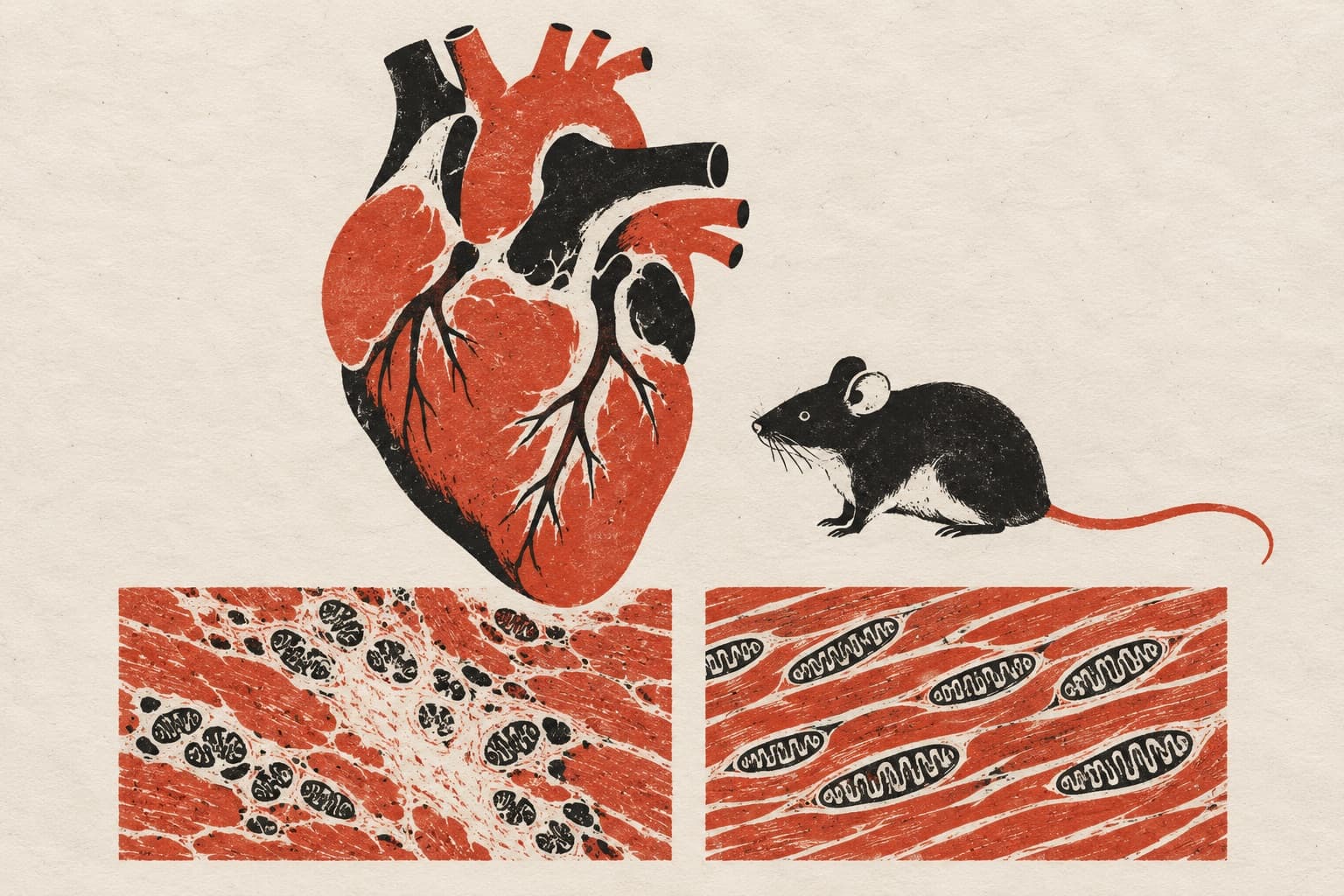
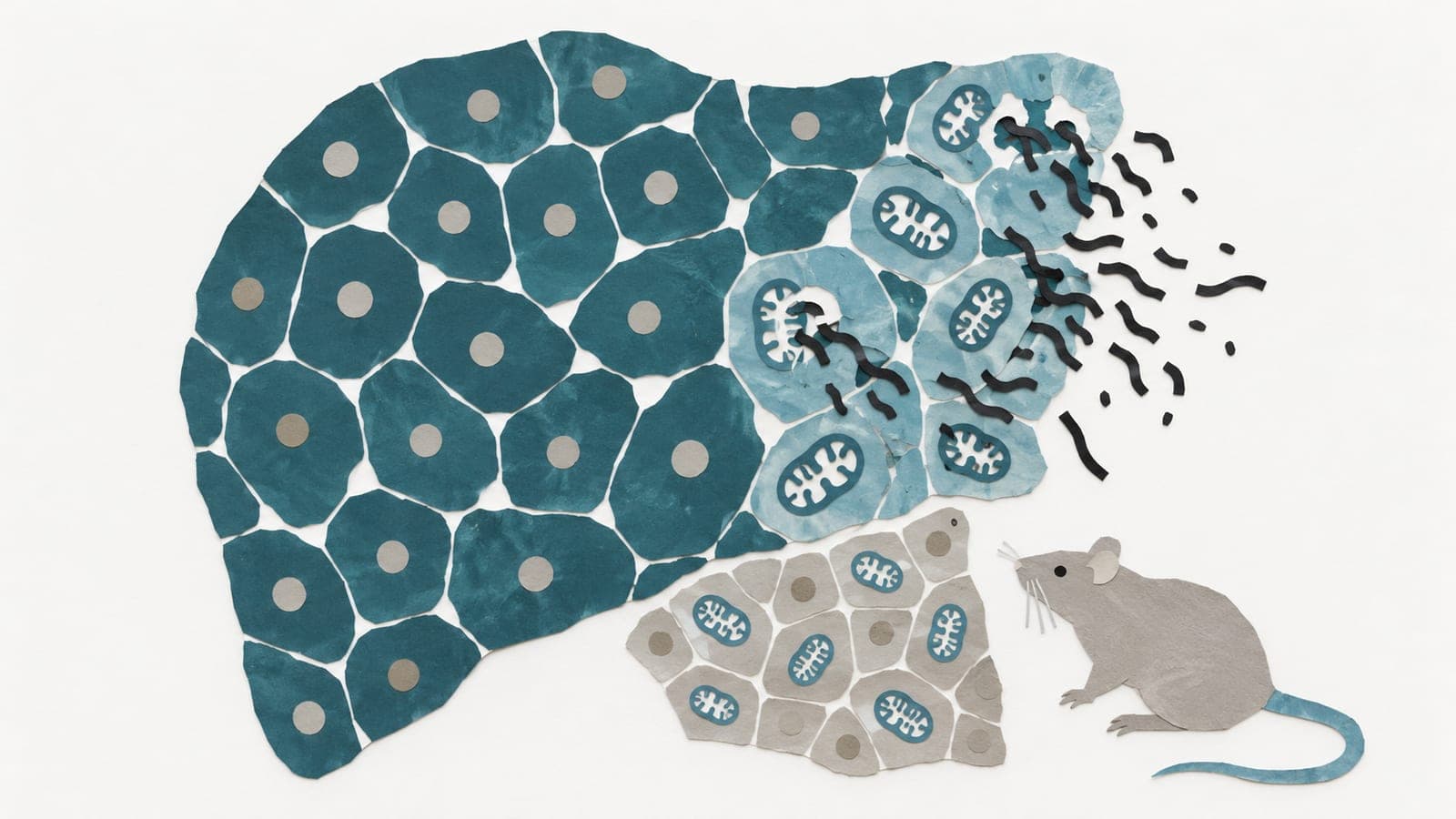
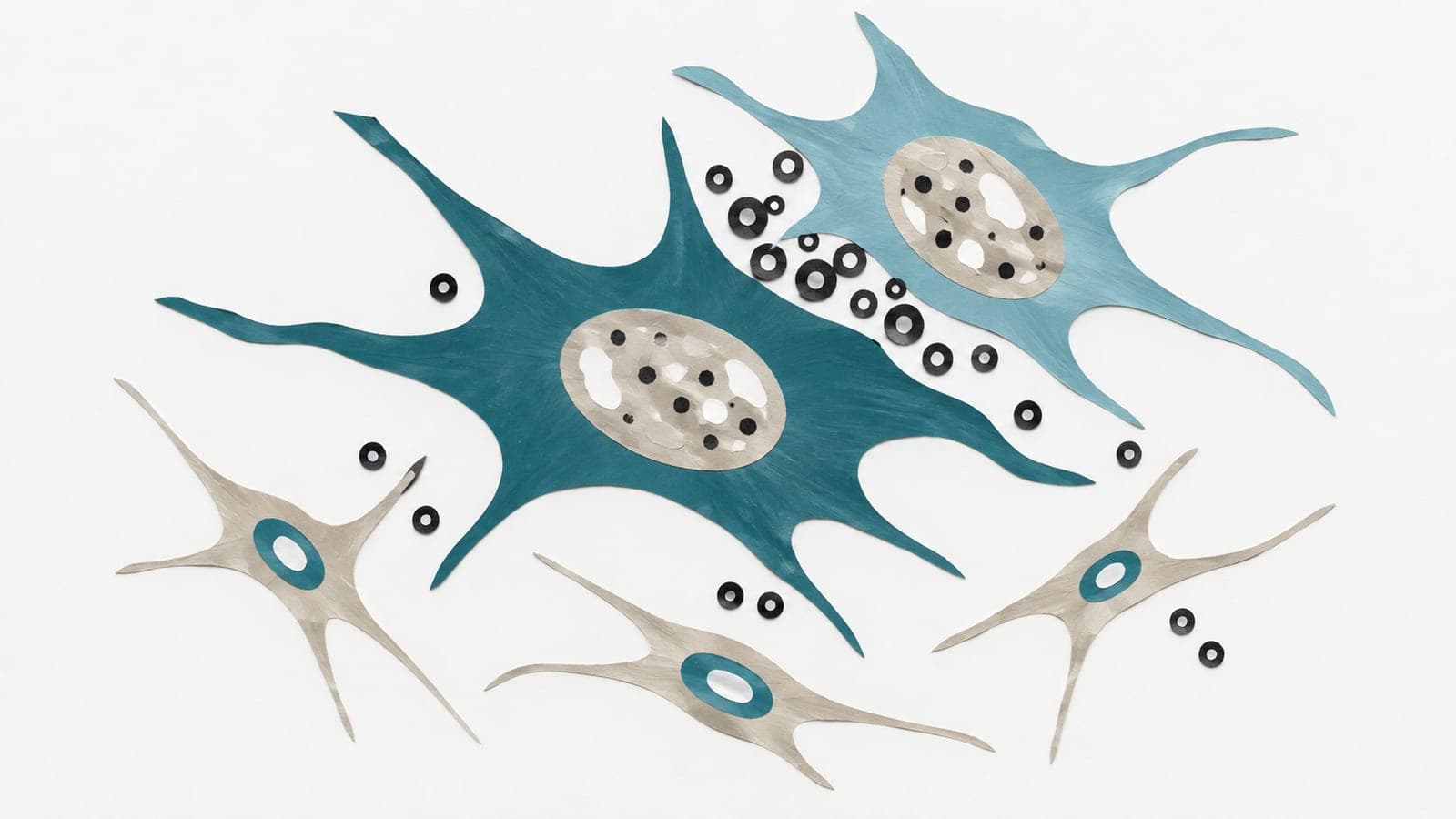
The mechanisms underlying upregulation of P16, a key marker of cellular senescence, during the senescence process remain unclear. We observed that miR-134-5p and miR-3118 effectively inhibited P16 expression and delayed cellular senescence in human dermal fibroblast cells. The reactive oxygen species-induced 8-oxo-guanine (o⁸G) modification of miR-134-5p and miR-3118 disrupted their regulatory interactions with the primary target P16, promoting cellular senescence, as indicated by increased β-galactosidase activity, enhanced G₁ phase arrest, reduced expression of anti-aging proteins, elevated secretion of senescence-associated secretory phenotype factors, and impaired autophagy. Moreover, o⁸G:A base mispairing redirected o⁸G-miR-134-5p and o⁸G-miR-3118 to target new genes; o⁸G-miR-134-5p inhibited ARID1A and PTEN, while o⁸G-miR-3118 suppressed CCNE2 and E2F1, which synergistically accelerated the cellular senescence process. Animal models confirmed the anti-aging effect of miR-134-5p and the pro-aging effect of o⁸G-miR-134-5p, particularly in the skin, muscle, and liver. This evidence proposes a role for o⁸G-miRNAs in aging acceleration by reshaping gene regulatory networks and suggests targets for longevity interventions.
The paper
Chinese Academy of Medical Sciences & Peking Union Medical College
Free Radical Biology & Medicine, 12 Feb 2026