COUNTERING AGE-ASSOCIATED ALTERATIONS IN OLIGODENDROCYTE-DERIVED EXTRACELLULAR MATRIX REJUVENATES COGNITION
By Philp AR, Remesal L, Pratt KJB et al.
Abstract
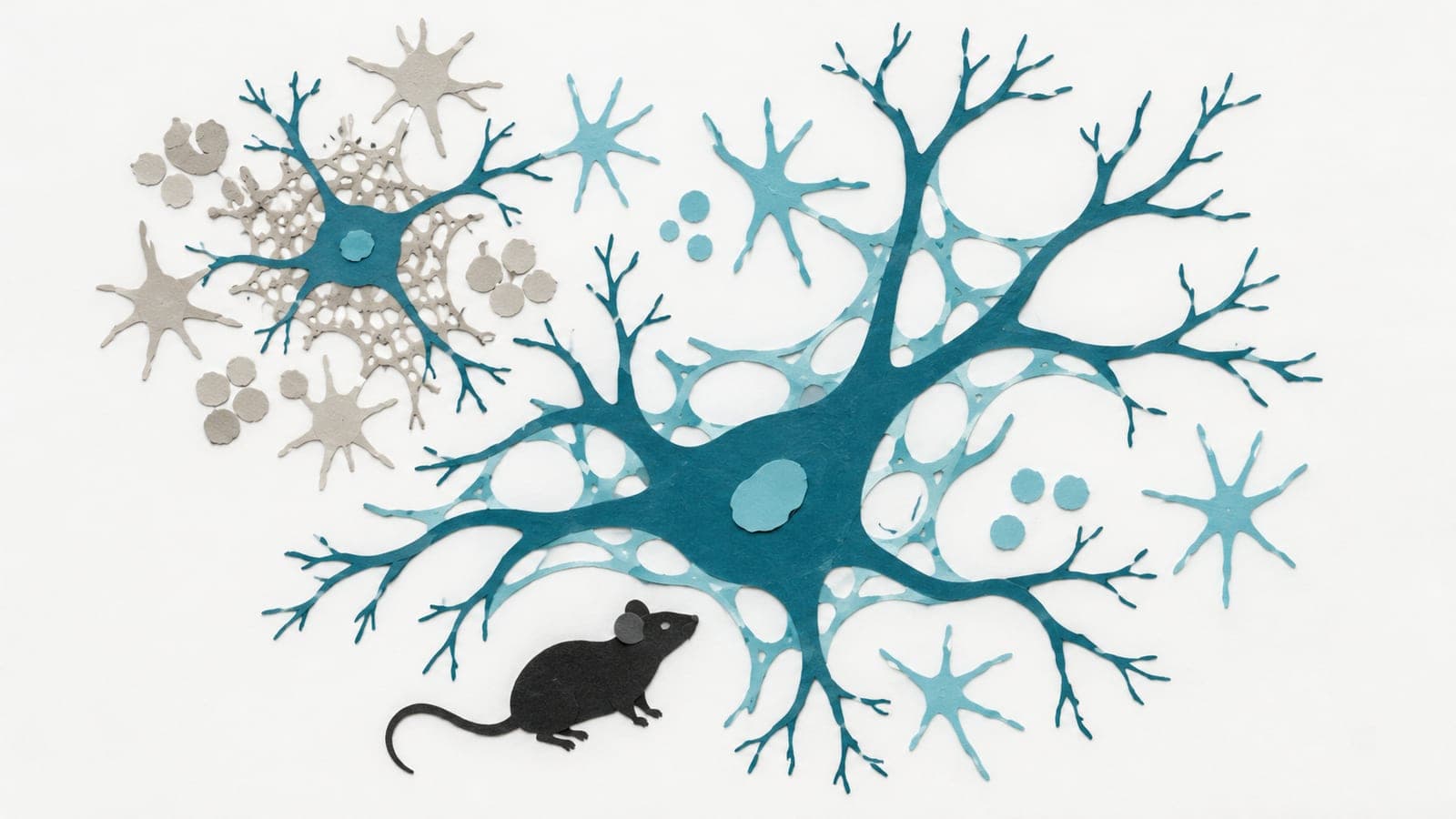
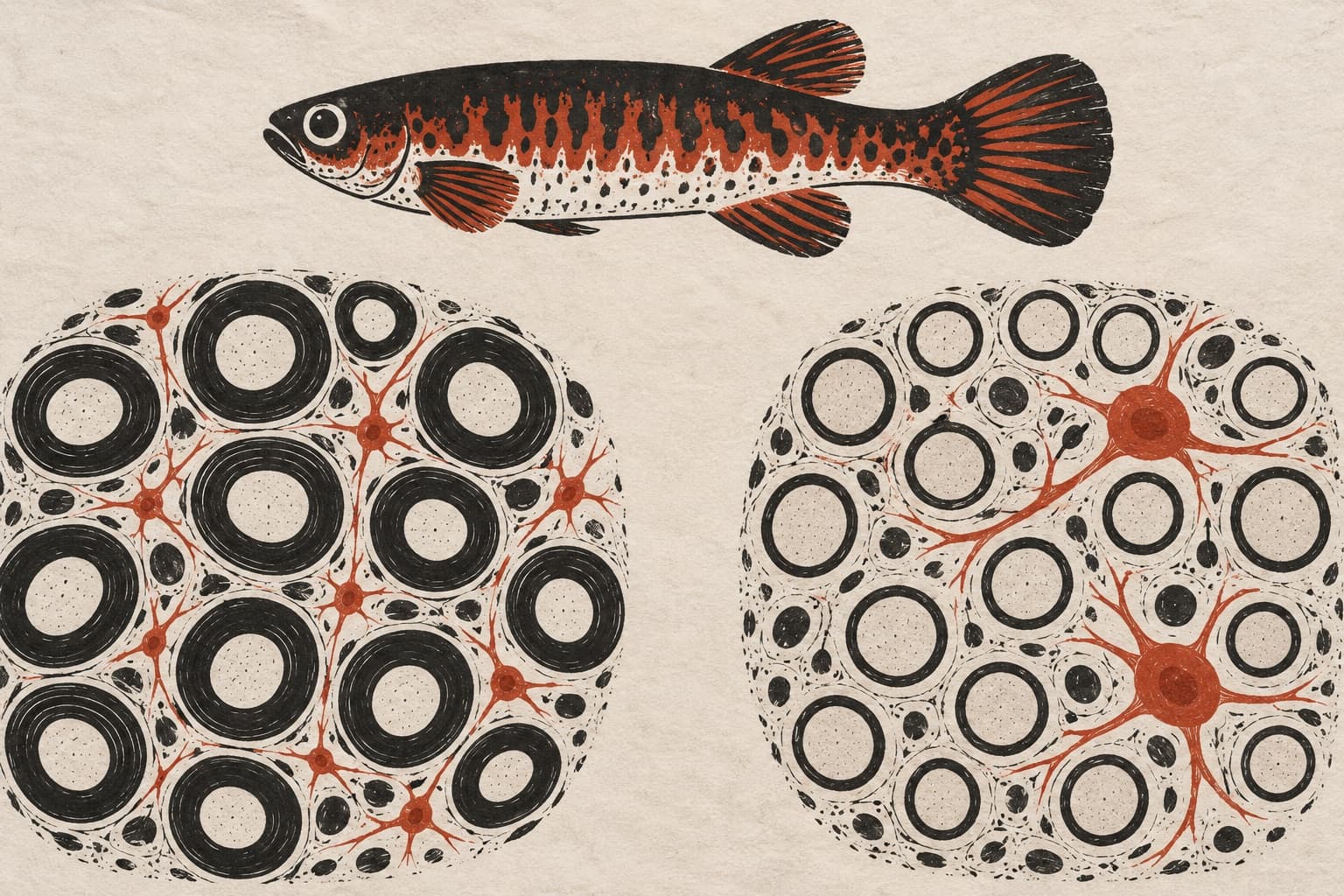
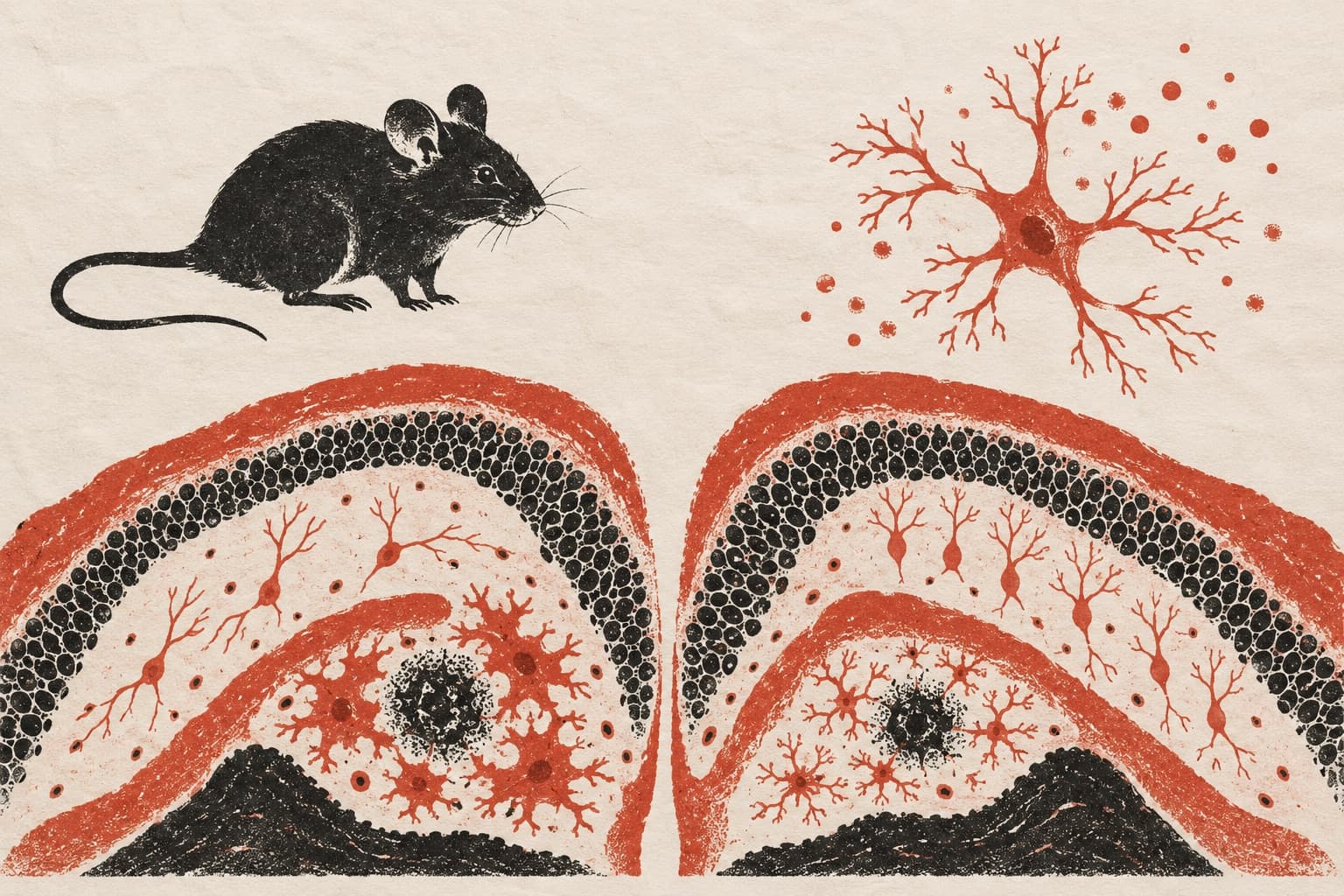
Efforts to rejuvenate age-related cognitive decline have predominantly targeted neurons, often overlooking non-neuronal cell types in the aging brain. Here, we show that countering alterations in oligodendrocyte-derived extracellular matrix (ECM) in the aging hippocampus restores cognition. We identify broad age-associated transcriptional and proteomic changes in oligodendrocytes, including dysregulation of the matrisome, with marked upregulation of ECM components and associated regulators with age. Among these, we detect an increase in Hyaluronan and proteoglycan link protein 2 (HAPLN2), an oligodendrocyte-derived core matrisome protein that locates specifically at the nodes of Ranvier, in the hippocampus of aged mice and older humans. Hapln2 overexpression in oligodendrocytes of young mice recapitulated age-related memory impairments. Conversely, abrogating the age-related increase in Hapln2 induced synaptic plasticity-related hippocampal transcriptional signatures and improved memory in aged mice. Together, these data define oligodendrocyte-derived ECM remodeling as a hallmark of brain aging that can be targeted to rescue cognitive decline.
The paper
Philp AR, Remesal L, Pratt KJB et al.
bioRxiv, 5 Feb 2026, Preprint, not peer-reviewed