The impact of age on muscle and kinematic responses following an unpredictable forward slip while walking
By Phu S, Sturnieks DL, Lord SR et al.
Abstract
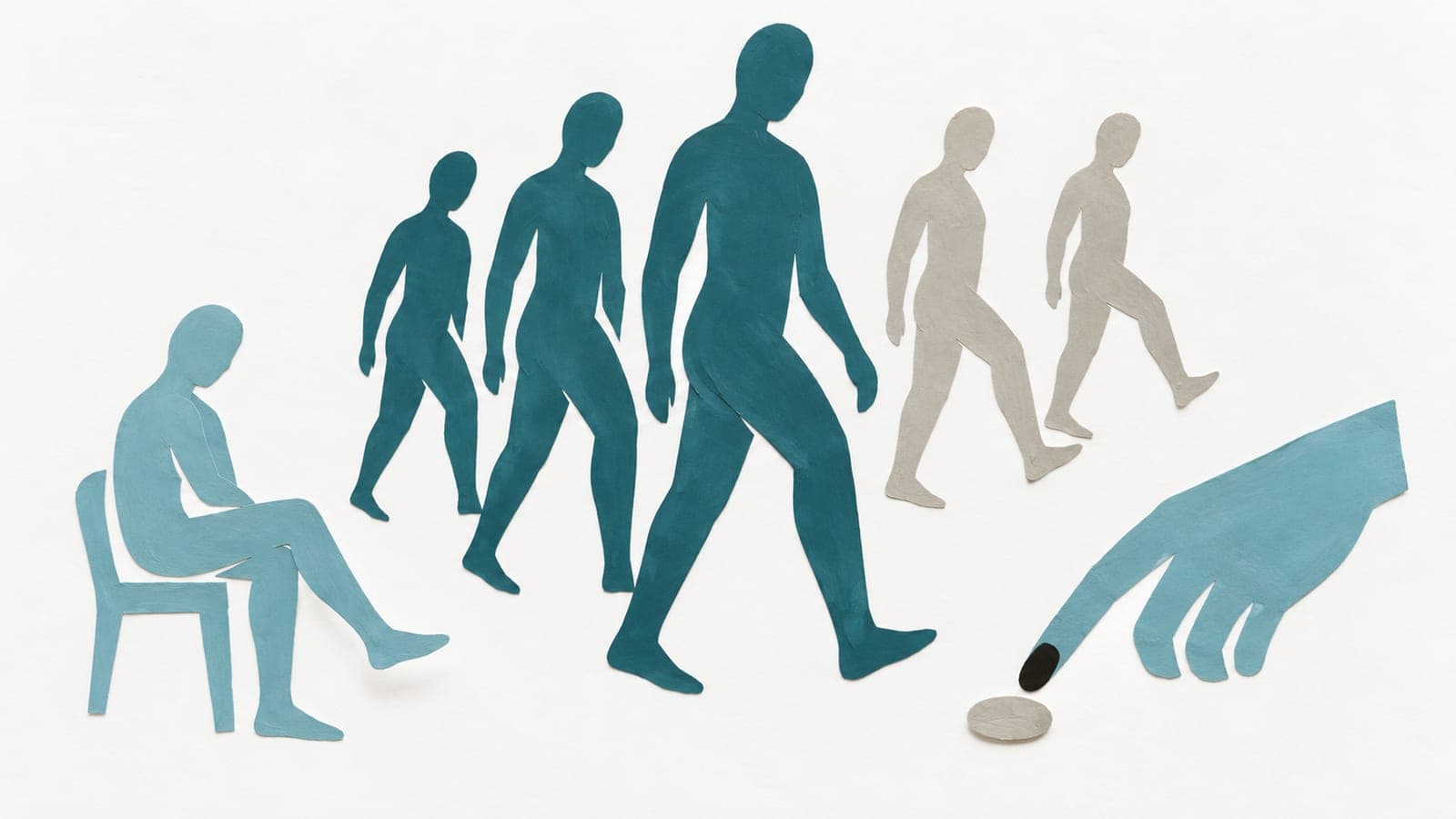
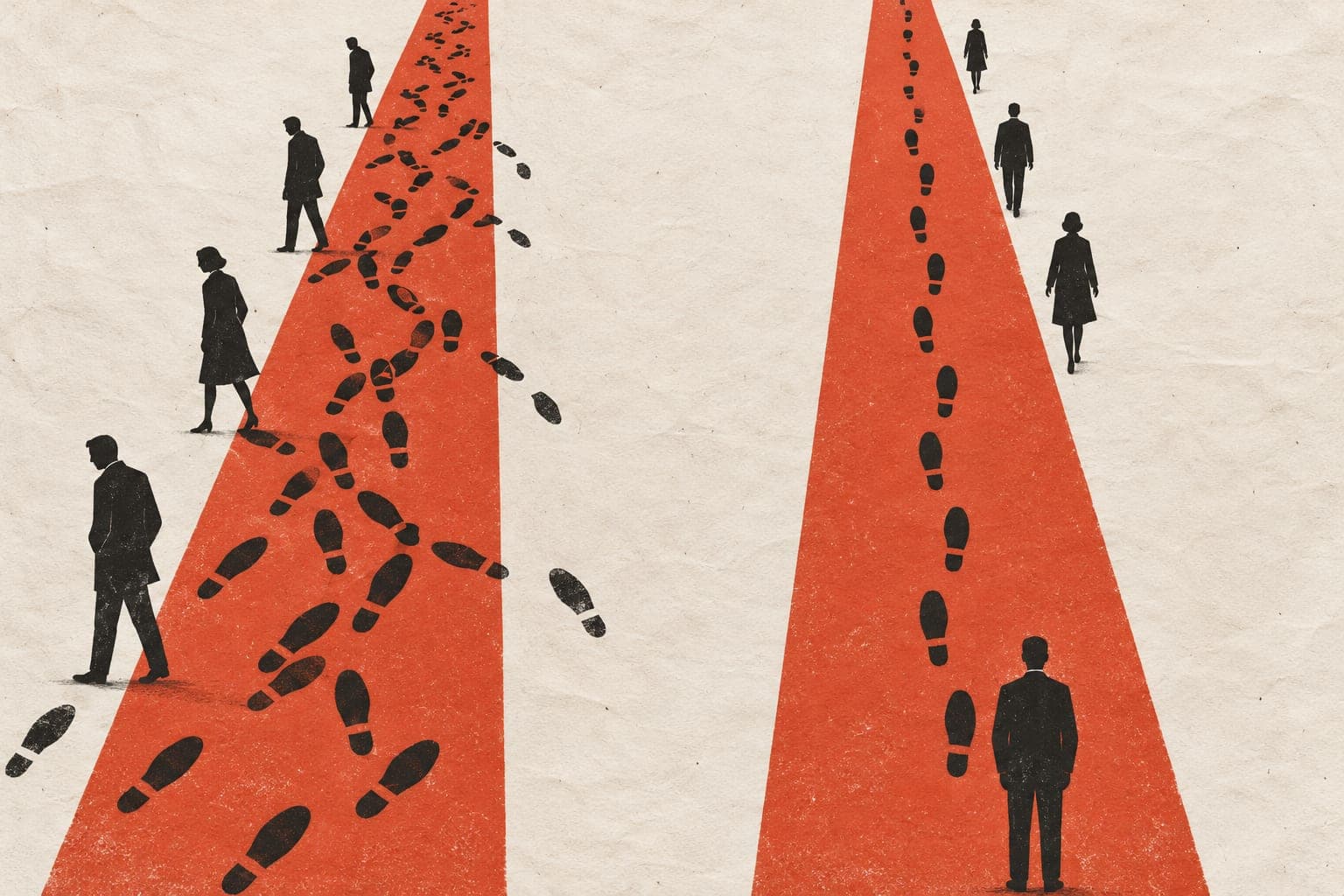
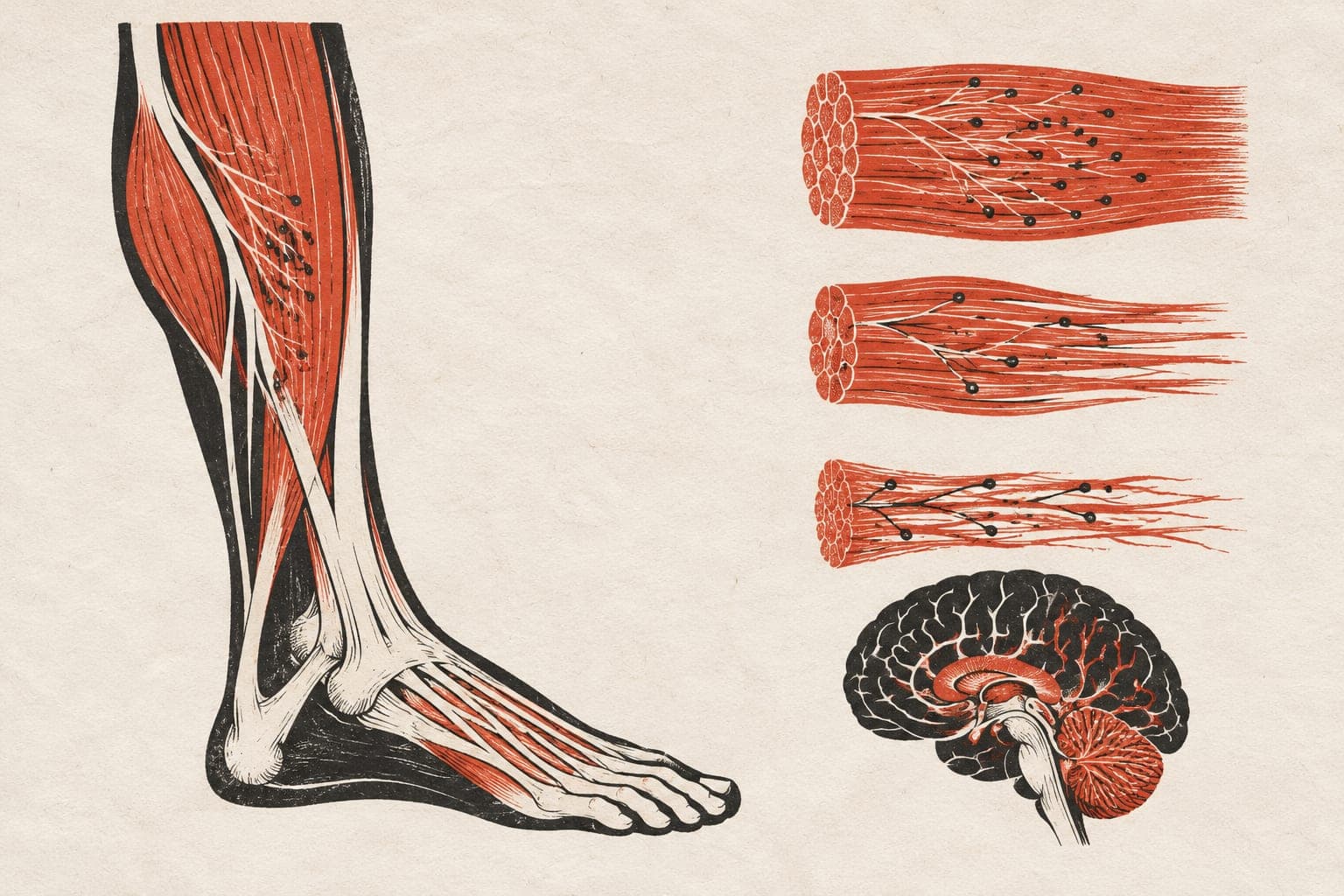
BACKGROUND: Slips lead to many falls in older adults. This study aimed to determine the impact of age on muscle and kinematic responses following an unpredictable forward slip while walking. METHODS: A cross-sectional study was conducted with 127 adults (25 young and 102 older) exposed to a single unpredictable forward slip, induced at foot-strike while walking. Bilateral lower limb muscle activity was measured via electromyography and gait kinematics were measured via motion capture. FINDINGS: Compared to young, older adults displayed greater relative muscle activity and higher relative centre of mass during walking prior to the slip onset (P < 0.05). Following the slip, older adults experienced slips with greater velocity, displayed longer muscle onset latency and time to peak activity of the hamstrings on the non-slipped (contralateral) limb and greater peak activity magnitudes of the gastrocnemius bilaterally (P < 0.05). Older adults also spent more time in double-limb stance (P = 0.001), took a slower second recovery step (P = 0.006), and displayed greater harness loading (P = 0.005). INTERPRETATION: Older adults had inferior muscle and kinematic responses to an unpredictable forward slip compared to young. Delayed activation of the contralateral limb knee flexors and hip extensors may lead to greater instability, more severe slips and an increased risk of falls in older adults.
The paper
Phu S, Sturnieks DL, Lord SR et al.
Clinical Biomechanics, 3 Feb 2026