Targeted Sensitization of Leukemic T-cells to Anticancer Drugs by SIRT1 Agonist SRT-1720
Abstract
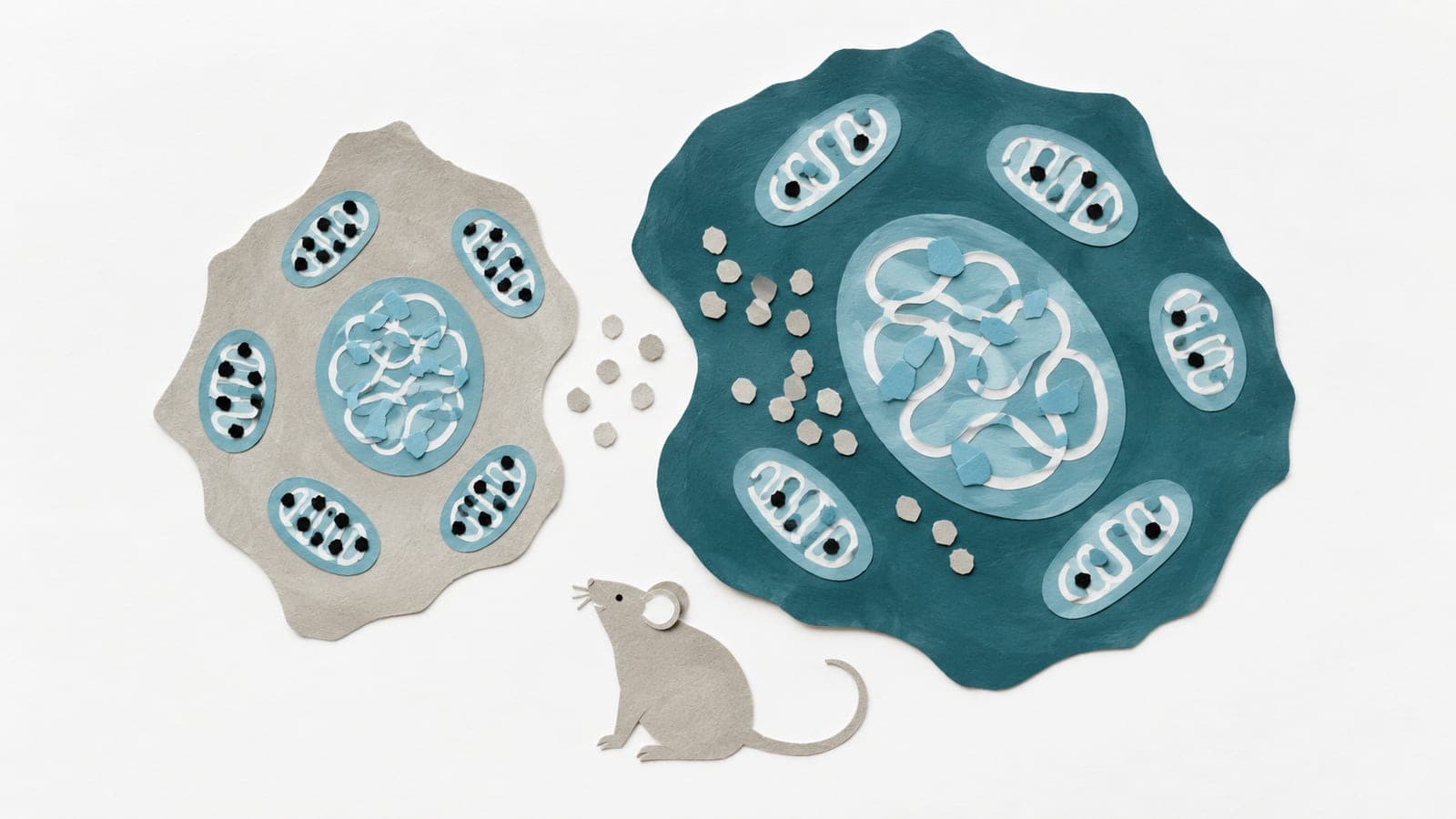
BACKGROUND/AIM: Leukemia therapy targets multiple molecular pathways, including non-oncogenic but clinically relevant factors such as Silent Information Regulator 1 (SIRT1), which acts either as a tumor suppressor or tumor promoter depending on its downstream targets, cancer type, and disease stage. Although small-molecule SIRT1 activators such as SRT-1720 have shown anticancer potential, their molecular mechanisms in leukemia remain insufficiently understood. This study aimed to elucidate the effects of SRT-1720 on the redox state and viability of leukemic lymphocytes and normal lymphocytes, as well as its ability to sensitize leukemic cells to anticancer drugs. MATERIALS AND METHODS: The synergistic, additive or antagonistic antiproliferative effects of SRT-1720 and anticancer drugs were examined. The following parameters were analyzed: cell viability and proliferation - by trypan blue staining; apoptosis - by phosphatidylserine expression on the cell surface; and oxidative stress - by detecting intracellular levels of reactive oxygen species (ROS) and protein carbonyl products. RESULTS: SRT-1720 potentiated the effects of most anticancer drugs in leukemic lymphocytes. Synergism was found in combination with: barasertib, bortezomib, cisplatin, MG-132, bleomycin, ABT-737, lonafarnib, everolimus, and palbociclib. SRT-1720 increased the tolerance of normal lymphocytes to anticancer drugs, as demonstrated for everolimus, barasertib, and doxorubicin. The synergistic cytotoxicity of SRT-1720 in combination with everolimus and barasertib was accompanied by overproduction of ROS and increased induction of apoptosis in leukemic lymphocytes, but not in normal lymphocytes. SRT-1720 favorably affected the viability of normal lymphocytes, reducing oxidative stress and cytotoxicity induced by doxorubicin at the concentrations used in our study. CONCLUSION: SRT-1720 induces oxidative stress and apoptosis in leukemic lymphocytes through SIRT1-independent pathway(s). In contrast, it enhances antioxidant defense in normal lymphocytes through a SIRT1-dependent pathway. These findings highlight the potential of SRT-1720 as an adjuvant to chemotherapy in T-ALL, particularly in drug combinations demonstrating strong synergism, which may allow dose reduction and decreased toxicity.
The paper
Trakia University; Sofia University "St. Kliment Ohridski"
Anticancer Research, 30 Jan 2026