Cortical activity during supported and unsupported choice-stepping reaction time tasks in young and older people: a functional near-infrared spectroscopy study
By Menant JC, Pelicioni PHS, Sturnieks DL et al.
Abstract
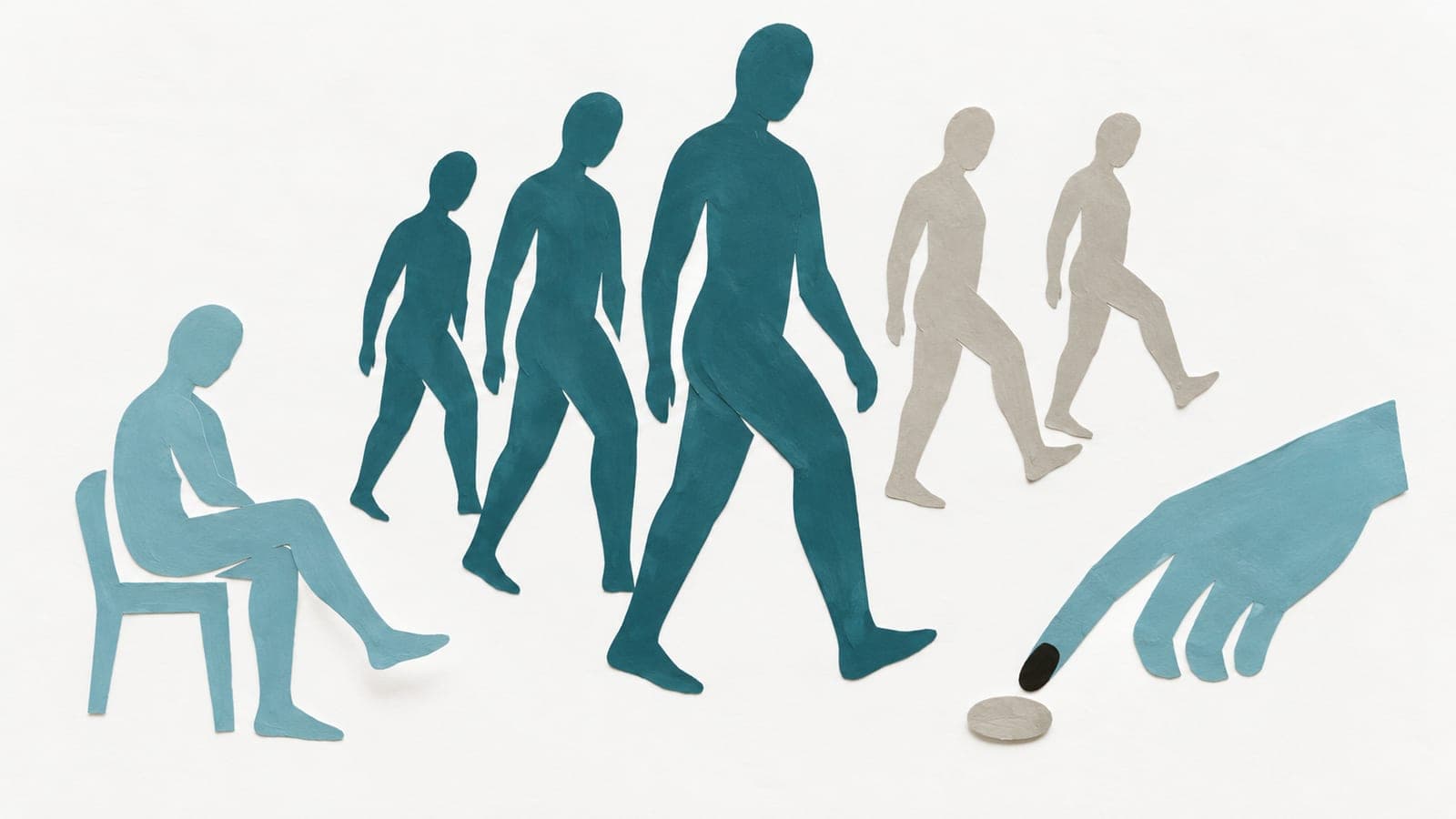
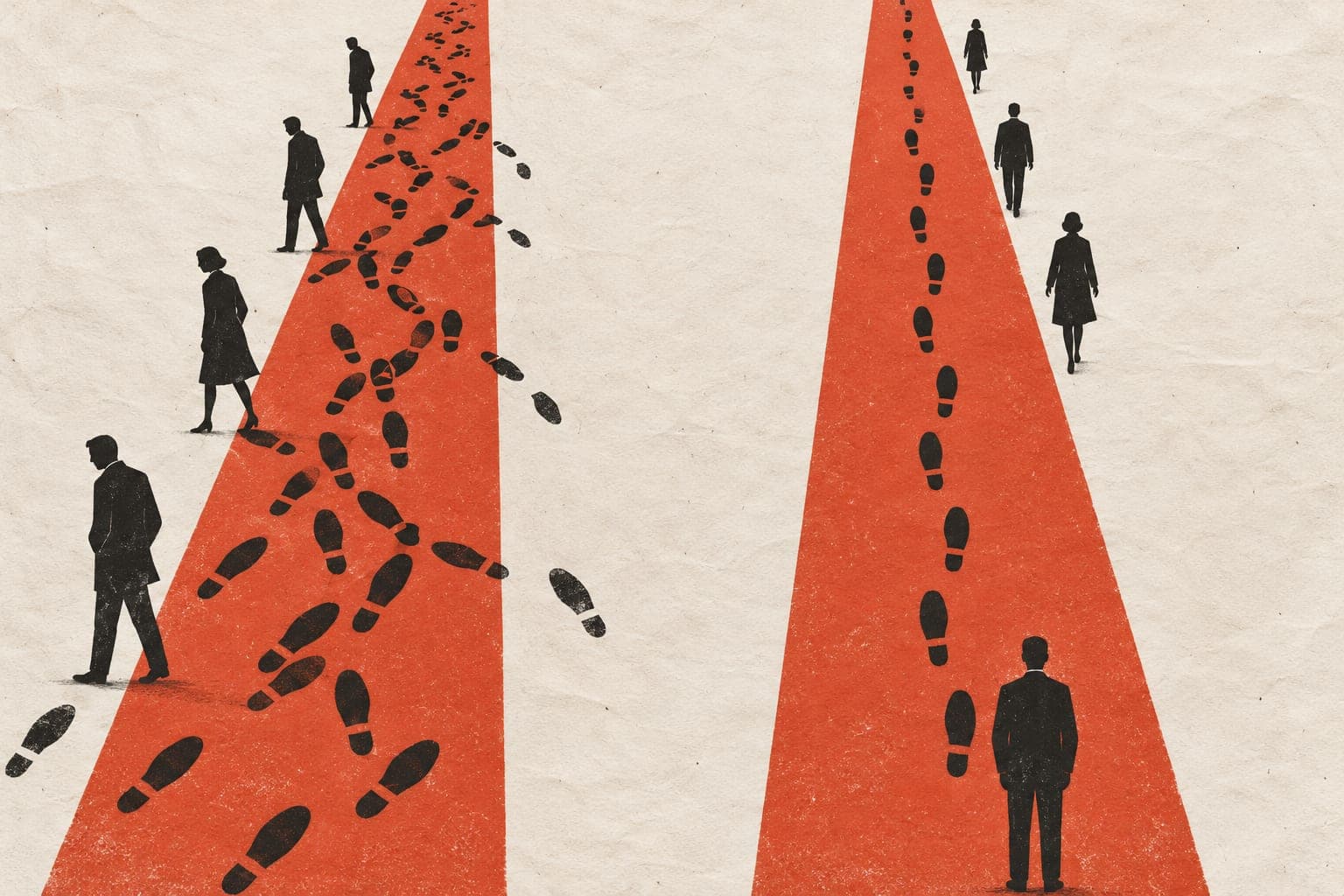
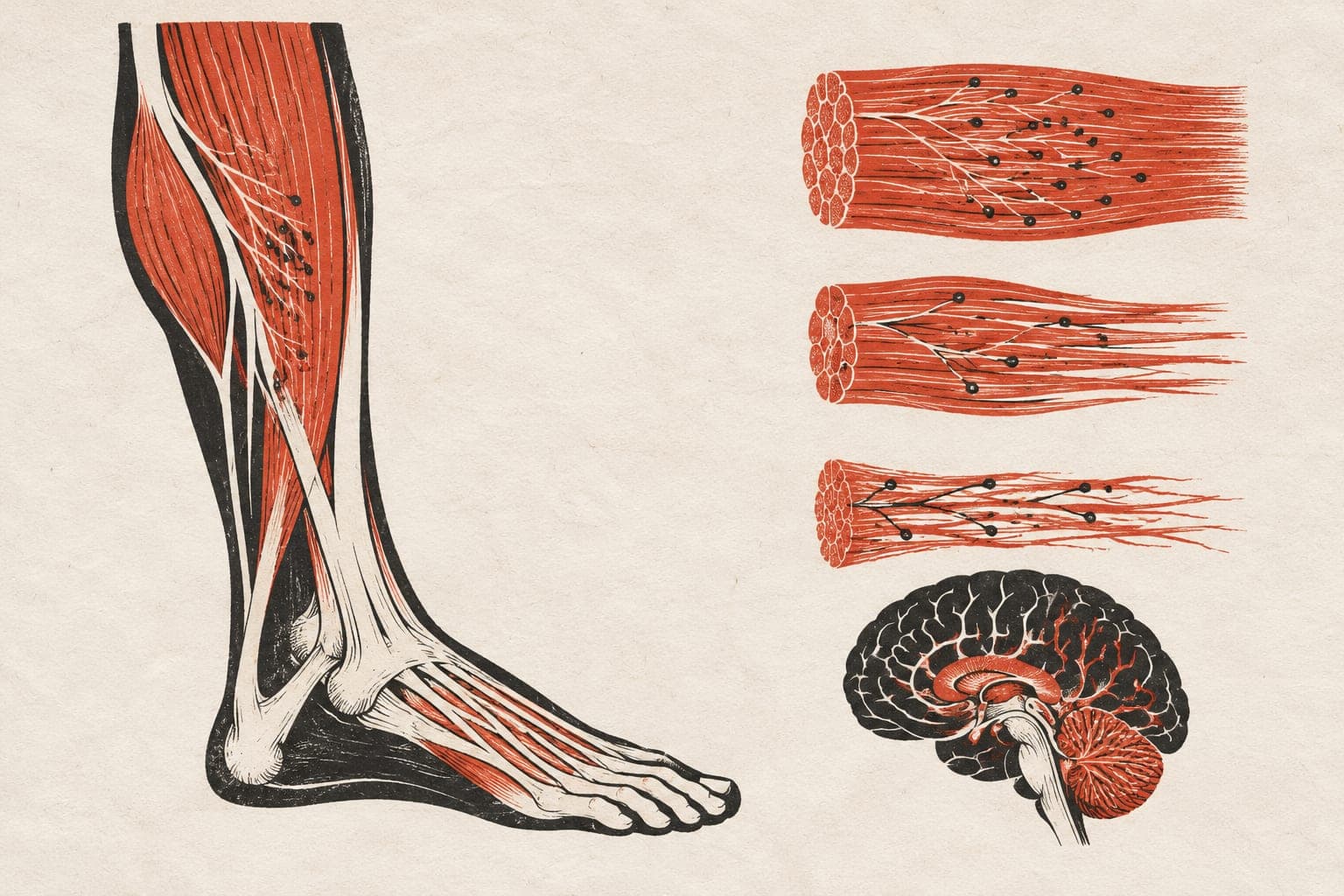
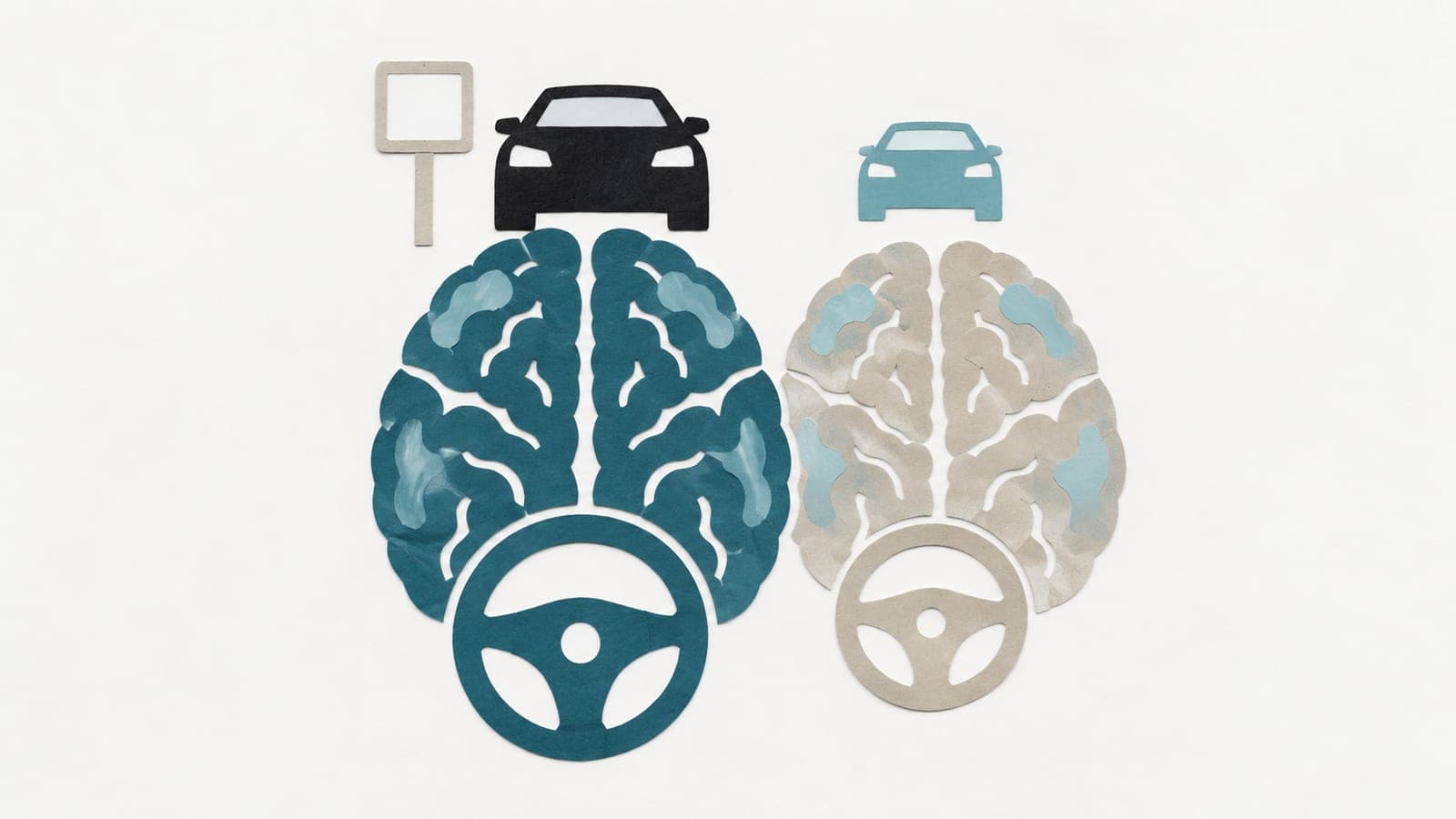
There is strong evidence from dual-task studies that balance requires cortical input. Yet, whether this cortical activity requirement relates disproportionally to balance control or simply to the undertaking of any motor task is unclear. Potential effects of aging on this relationship are also unknown. We investigated the effects of supporting balance control during cognitively demanding stepping tasks, on cortical activity in the dorsolateral prefrontal cortex (DLPFC), supplementary motor area (SMA) and premotor cortex (PMC), in healthy young and older people. Thirty-two young and 48 older people performed the choice stepping reaction time (CSRT), inhibitory CSRT (iCSRT) and stroop stepping (SST) tasks on a computerised step mat, in two randomly presented support conditions: supported standing using armrests and unsupported free standing. We measured mean stepping response times, step errors and cortical activity using functional near-infrared spectroscopy. Both young and older participants had slower response times across the three stepping tasks in the unsupported condition compared with the supported condition (p < 0.05), and this was accompanied by increased cortical activation in the PFC, SMA and PMC in the CSRT task in the young cohort only (p < 0.05): findings supporting the involvement of these cortical regions in balance control. The similar cortical activity levels between the supported and unsupported conditions for both groups in the iCSRT and SST tasks may indicate the cognitive component of these tasks overshaded the motor component in these more cognitively demanding tasks and/or that these tasks promoted automaticity of postural control by distracting participants from focusing on maintaining balance.
The paper
Menant JC, Pelicioni PHS, Sturnieks DL et al.
Human Movement Science, 24 Jan 2026