Perceiving auditory stimuli impacts conscious perception of electrotactile stimuli in older adults
Non-randomised trial
Abstract
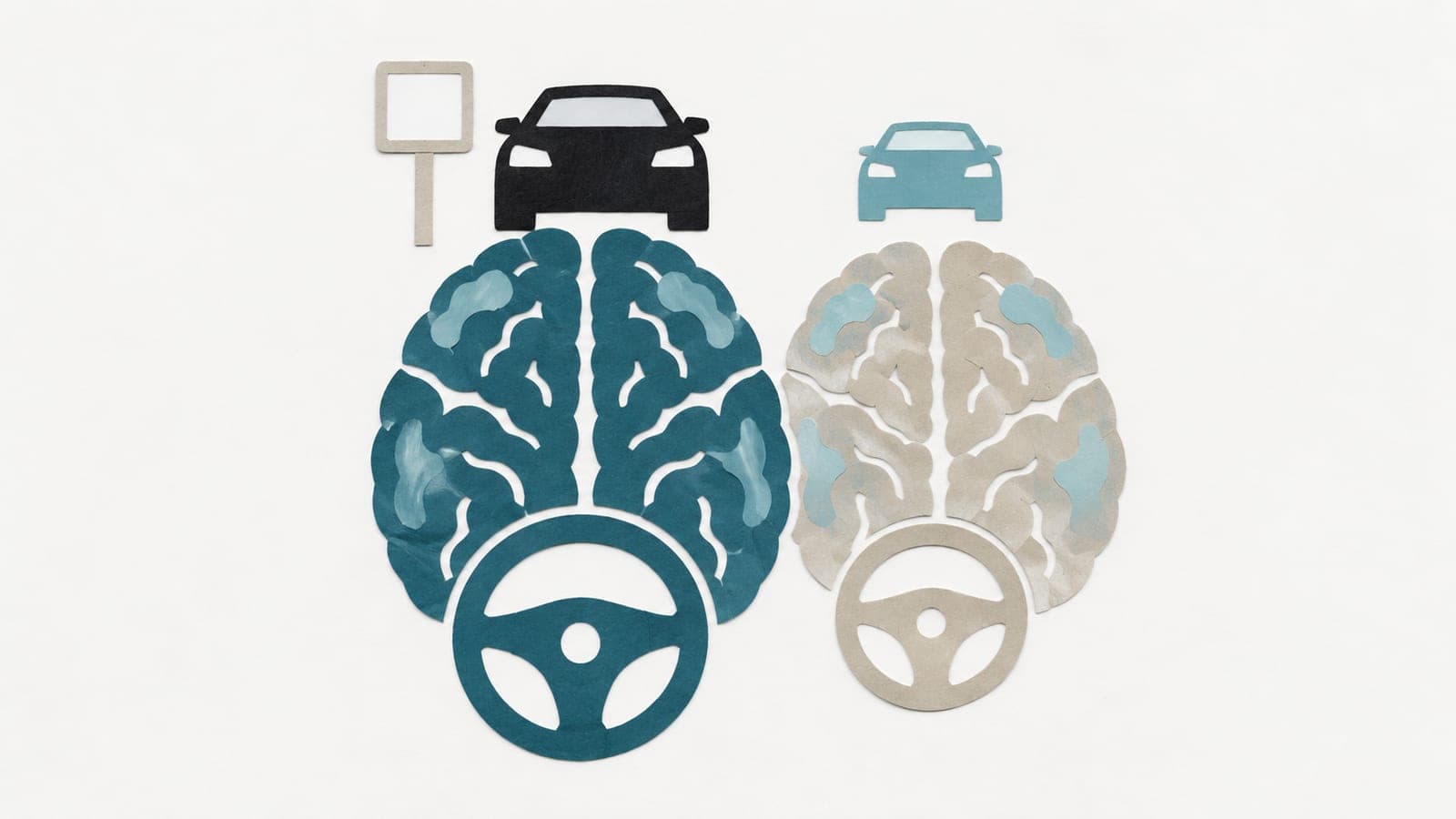
As individuals age, the ability to perceive and interpret tactile stimuli declines, impacting daily function and quality of life. One factor contributing to this decline is cognitive-perceptual load, which refers to the demand placed on limited cognitive resources allocated for processing and attending to sensory stimuli. This study investigates the modulation of cognitive-perceptual load on tactile detection and gap detection in older adults, incorporating concurrent auditory stimuli to replicate real-world multi-sensory environments. Detection and gap detection of electrotactile stimuli applied to the skin were assessed in two studies, examining a total of 26 right arm dominant older adults. Participants completed tactile detection and gap detection tasks under two conditions, with and without concurrent auditory stimuli. Detecting auditory stimuli significantly impacted the variance of electrotactile stimuli detection (P < 0.001), but not mean (P = 0.145). In contrast, discriminating auditory stimuli significantly impacted the mean of electrotactile stimuli gap detection (P < 0.001), but not variance (P = 0.698). Arm dominance significantly impacted the mean of electrotactile stimuli gap detection (P = 0.011), but not detection (P = 0.936). Participant age significantly impacted the mean of electrotactile stimuli detection (p = 0.018), but not gap detection (P = 0.558). This work highlights the importance of accounting for cognitive-perceptual load when assessing tactile perception in older adults. Future work can further explore the influence of cognitive-perceptual load in clinical populations (e.g., following a brain injury) and examine additional factors that influence conscious tactile perception.NEW & NOTEWORTHY This study examined how older adults detect and discriminate electrotactile stimuli in the presence and absence of auditory stimuli. The findings highlight that increased cognitive demands can impair accurate perception of tactile stimuli. By further understanding how cognitive-perceptual load influences tactile perception, we can better understand the different factors that influence intact tactile perception, and in turn, explore when and why tactile impairments arise in patient populations.