Mendelian randomization analyses reveal relationships between white matter microstructure and risk of abdominal aortic aneurysm
Abstract
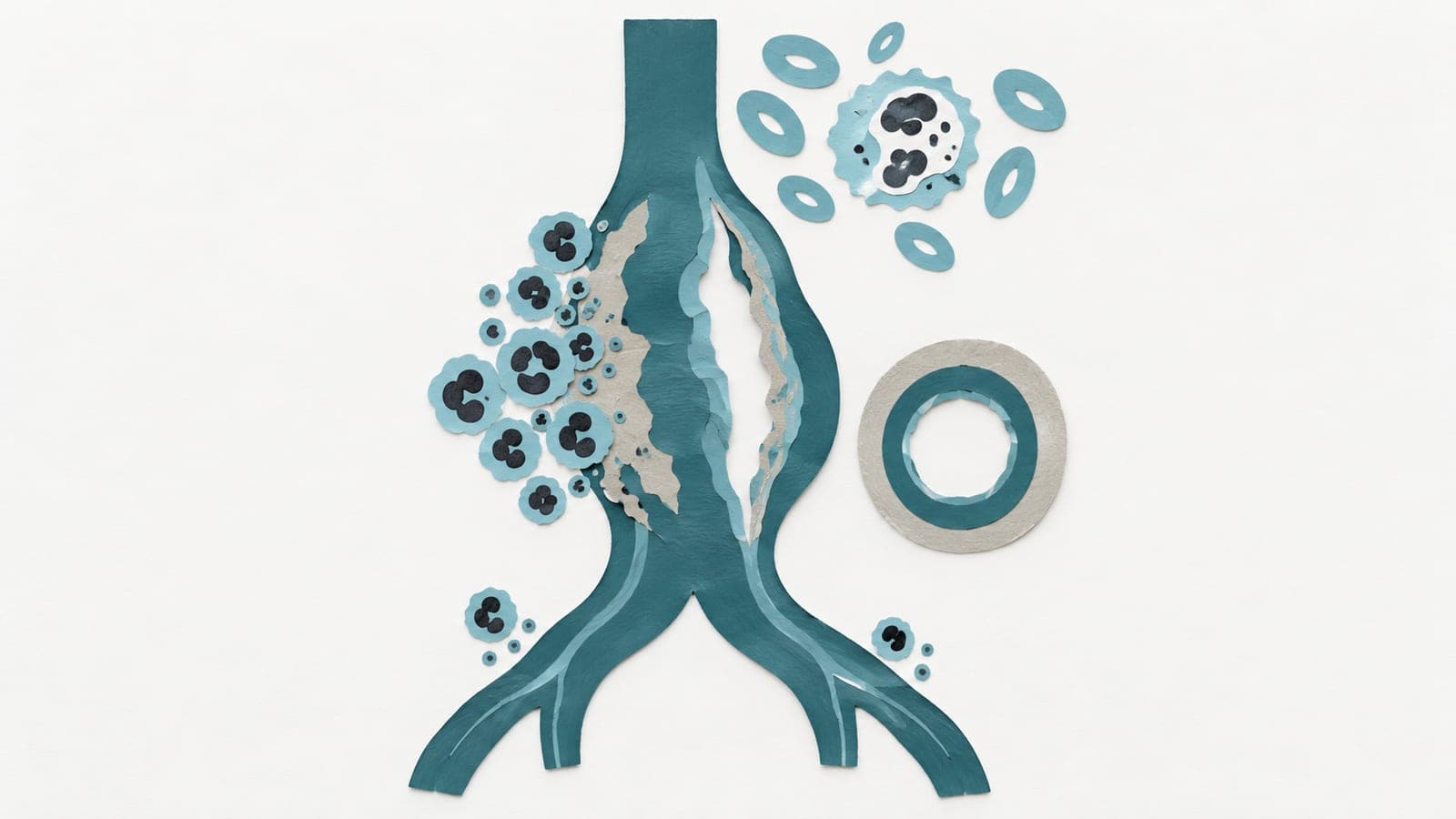
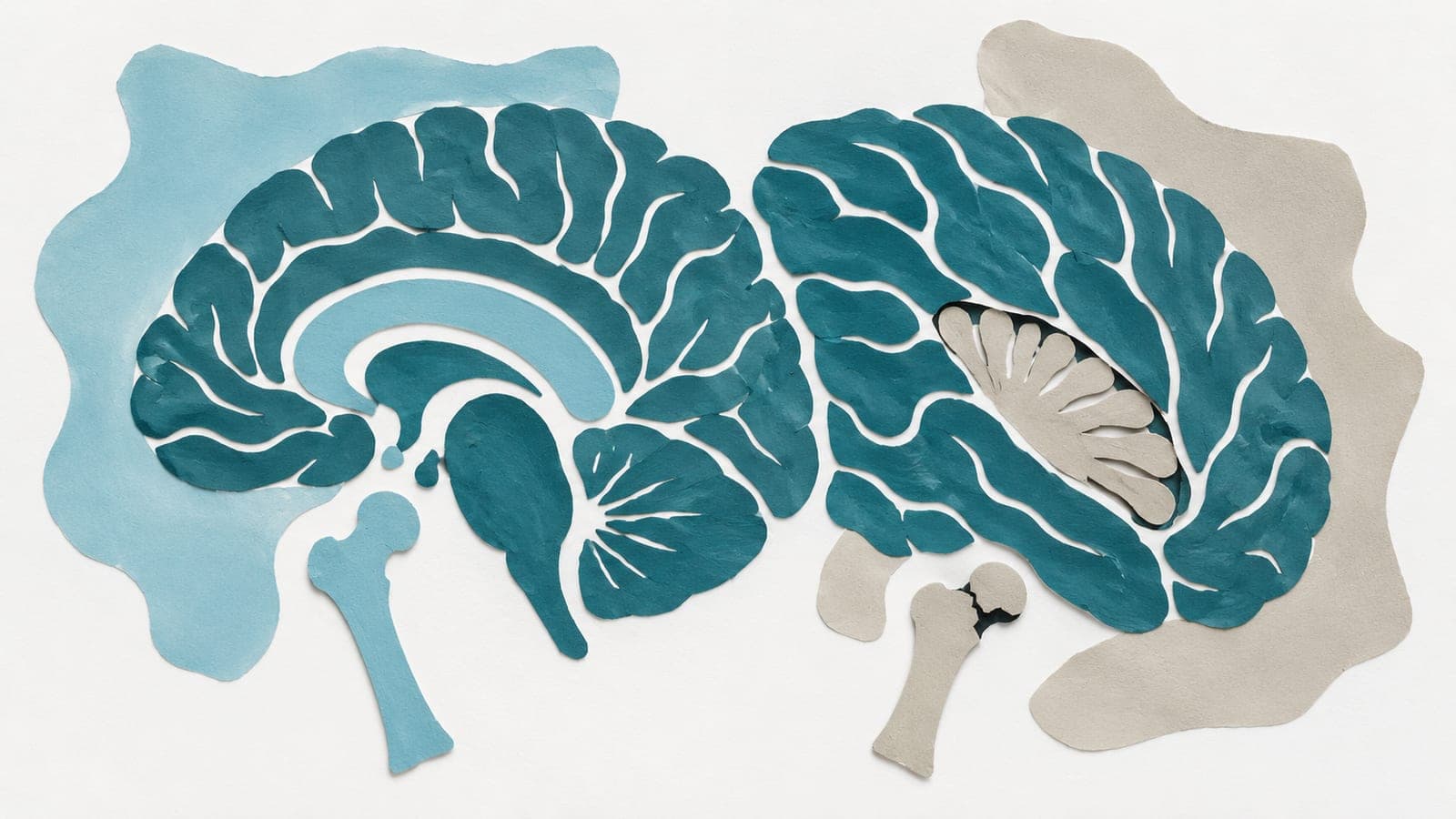
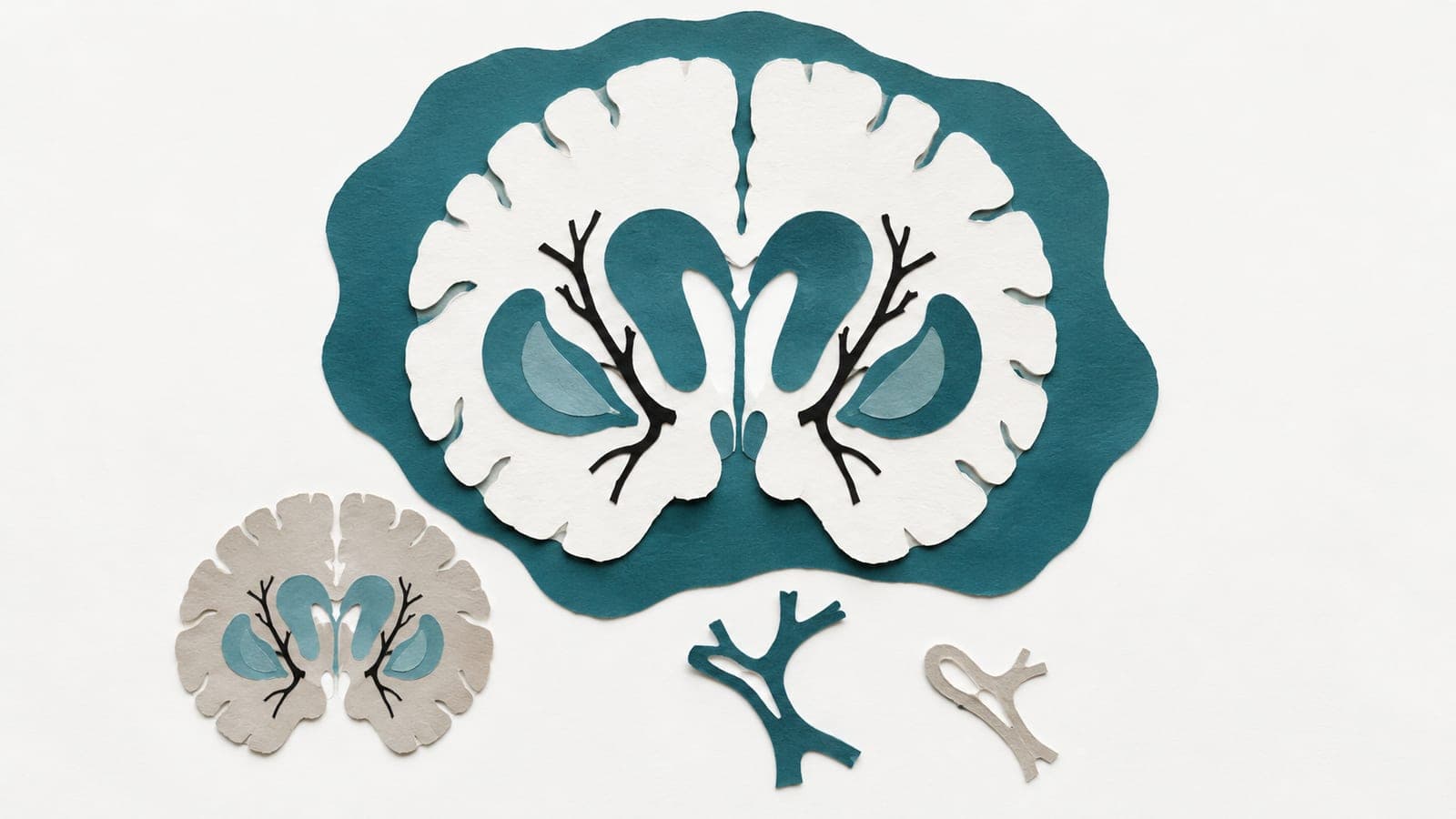
BACKGROUND: Recent research indicates a potential correlation between white matter microstructure (WMM) and abdominal aortic aneurysm (AAA). This research employed a bidirectional Mendelian randomization (MR) framework to elucidate exposure-outcome causality. The research design prioritized estimation of exposure effect on outcomes. METHODS: Published genome-wide association studies (GWAS) datasets encompassing 39,221 AAA cases and 1086,107 controls were analyzed alongside diffusion tensor imaging metrics from 43,802 European participants. The analytical framework adopted a bidirectional MR design, incorporating sensitivity analyses through five robust methods: random-effects IVW regression, MR-Egger regression, weighted median estimator, and simple/weighted mode approaches. Genetic and neuroimaging resources were systematically curated from two publicly accessible repositories: (1) the AAAgen Consortium providing aneurysm susceptibility loci, and (2) the Brain Imaging Genetics Knowledge Portal (BIG-KP) portal housing population-level brain imaging genomics data. RESULTS: Our findings revealed that lower mean fractional anisotropy (FA) in cingulum (hippocampus) significantly elevated AAA risk (OR 1.266; 95 % CI 1.126-1.424; P = 8.28 × 10⁻⁵). Similarly, reduced third FA principal component (PC) in retrolenticular part of internal capsule significantly elevated AAA risk (OR 1.196; 95 % CI 1.089-1.316; P = 1.82 × 10⁻⁴). The reverse causality analysis within our MR framework demonstrated null associations between AAA and WMM (all P > 2.326 × 10⁻⁴). Based on the study, we observed white matter integrity influences the chances of developing AAA. CONCLUSION: Our bidirectional MR analysis revealed the causal influence of WMM alterations on AAA.
The paper
First Hospital of China Medical University
Ageing Research Reviews, 15 Dec 2025