The Complex Interplay Between Aging, Cardiac Remodeling, and Atrial Fibrillation
Abstract
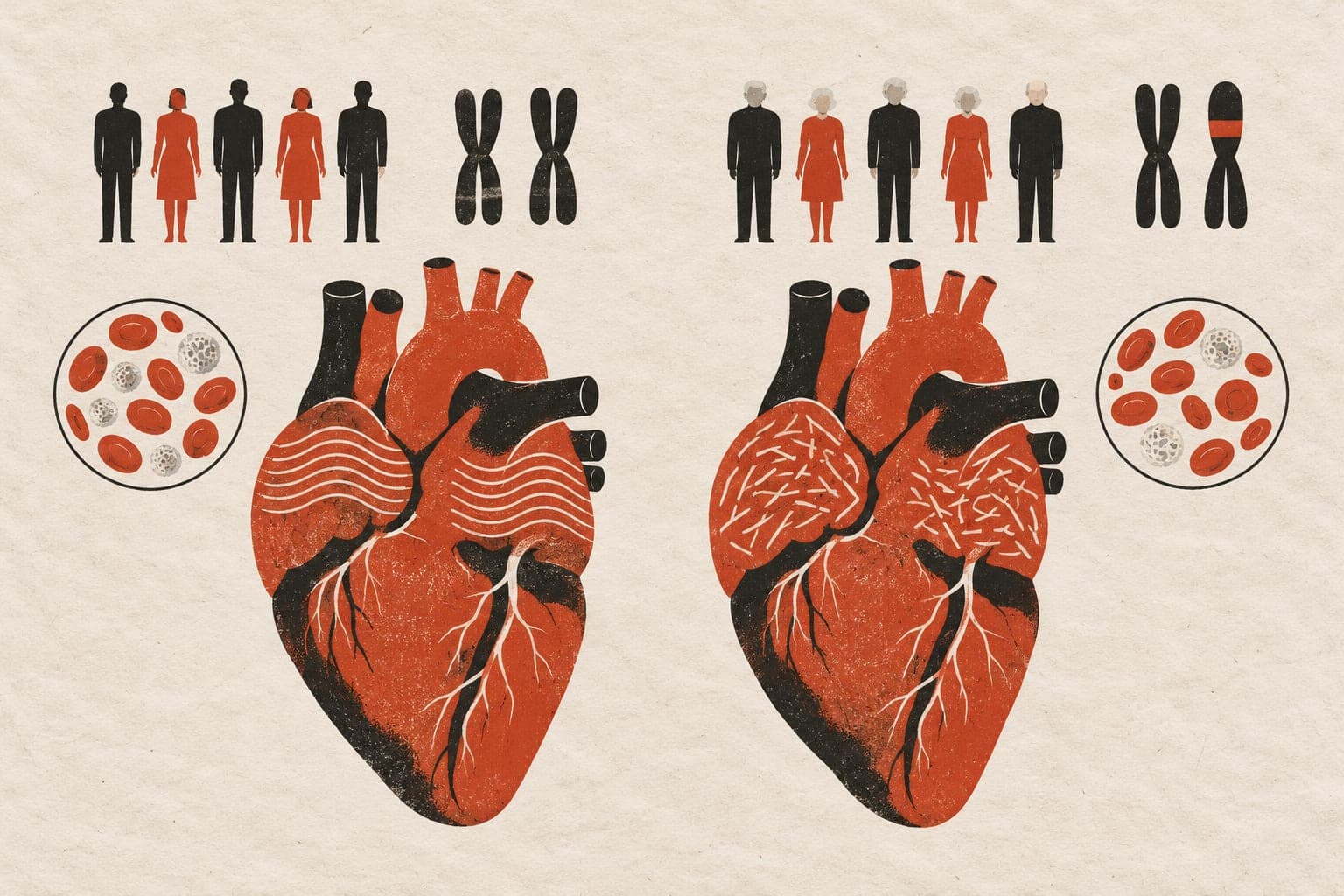
Aging is one of the most significant risk factors for the development of atrial fibrillation, and given our aging population, this is likely to present a major public health challenge in the coming years. Although the specific mechanisms underlying this association remain poorly understood, several biological processes including fibrosis, DNA damage, chromatin remodeling, amyloid deposition, mitochondrial dysfunction, and inflammation have been implicated in the structural and functional deterioration that leads to the development of atrial fibrillation. Herein, we review work from the last several years that has contributed to our understanding of the link between aging and atrial fibrillation with a focus on the basic pathophysiological mechanisms. We also outline areas for future research aimed at better characterizing this complex relationship.
The paper
University of Calgary; University of Michigan
JACC Clinical Electrophysiology, 20 Nov 2025, Open access