Cyclovirobuxine D ameliorates cardiomyocyte senescence in diabetic cardiomyopathy mice by enhancing mitochondrial function via sirtuin 3-ATP5O signal axis
Abstract
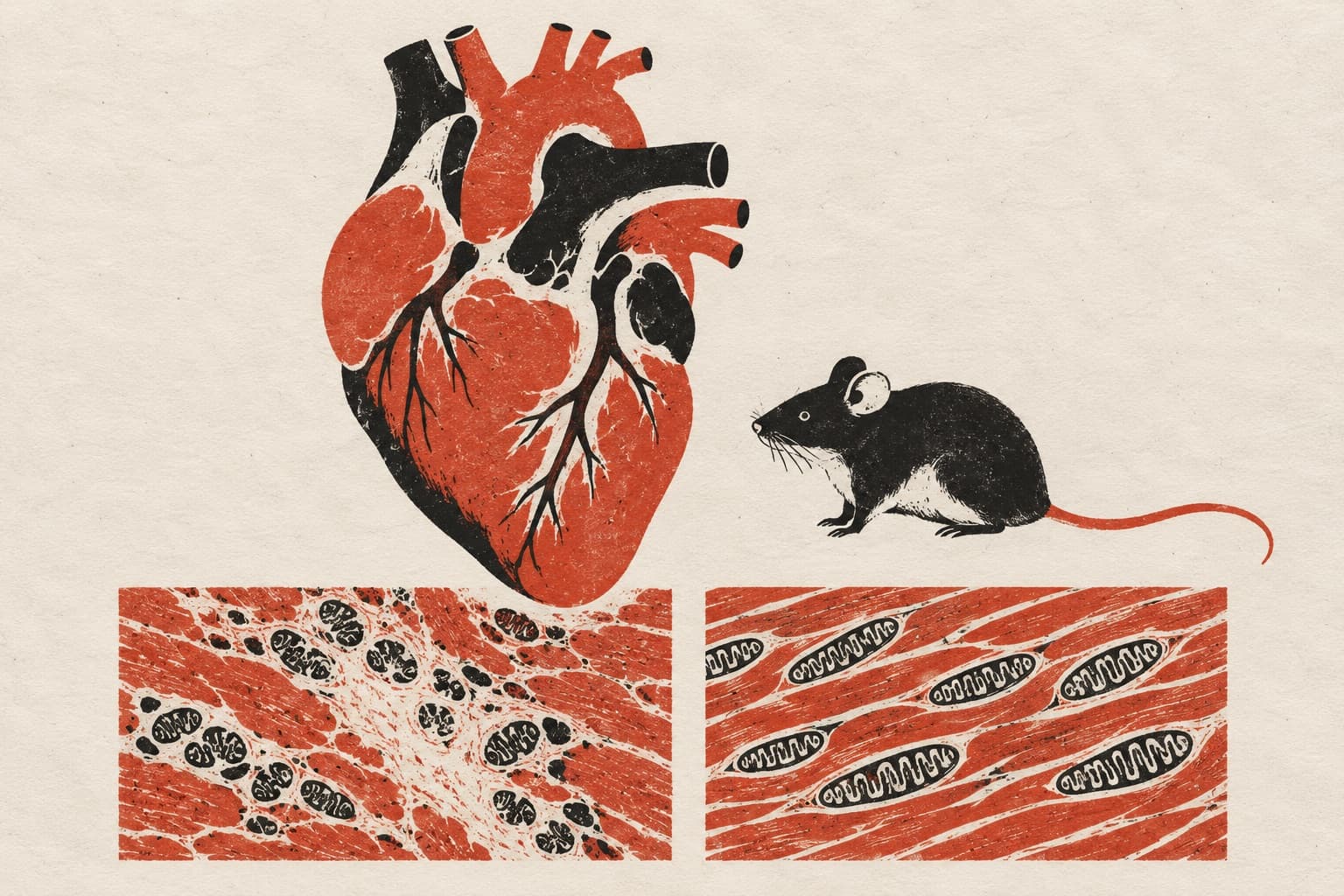
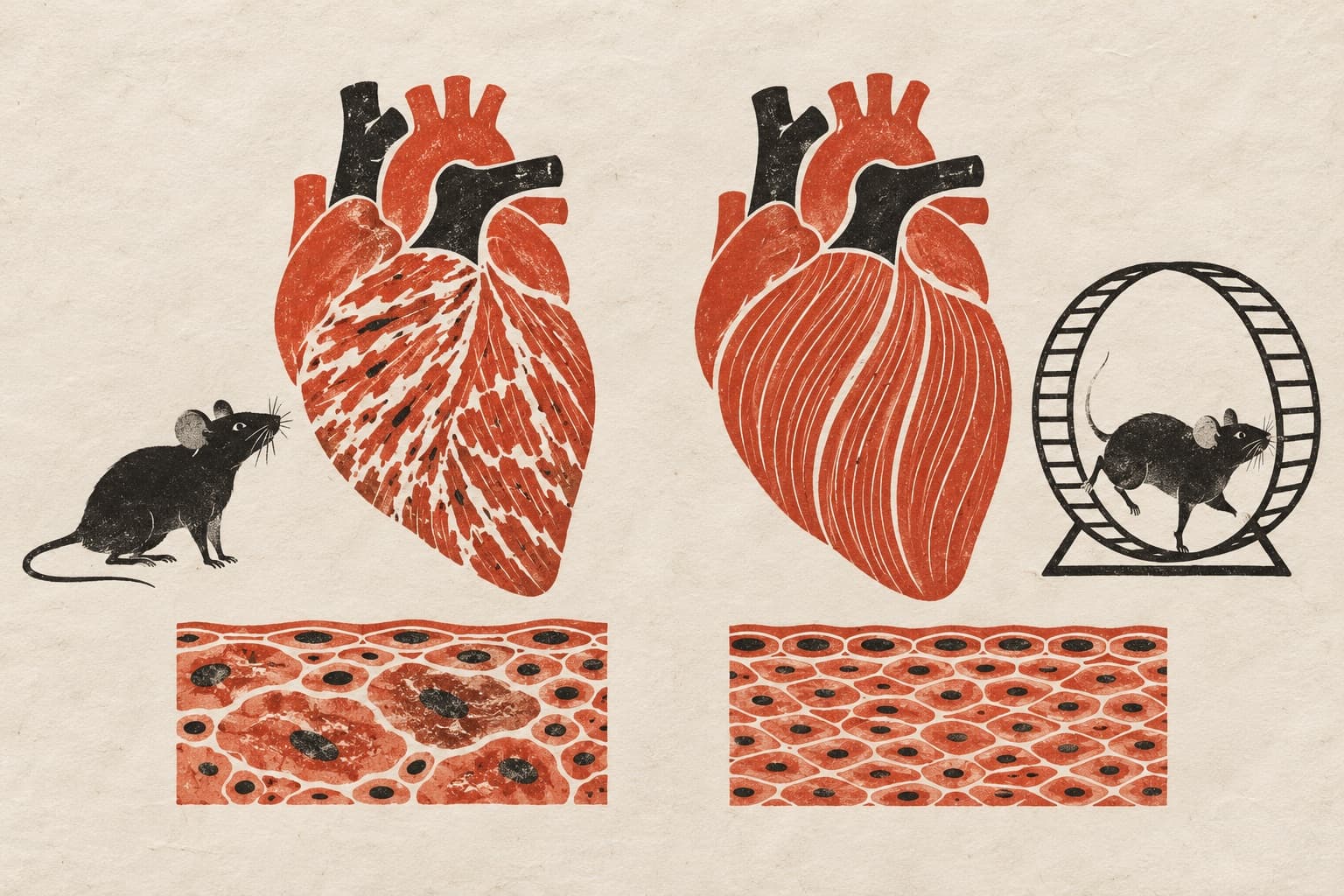
BACKGROUND: Diabetic cardiomyopathy (DCM) is a cardiovascular complication, with cardiomyocyte senescence being a key pathological process. Cyclovirobuxine D (CVB-D), the active compound in Buxus sinica (Rehd. et Wils.) var. parvifolia M. Cheng. CVB-D has potentially promising diabetes-related cardiomyocyte senescence-mitigating effects. Nevertheless, the impact of CVB-D on inhibiting cardiomyocyte senescence has not been widely investigated and molecular mechanisms remain ambiguous. METHODS: A diabetic mouse model was established via a high-fat diet (HFD) combined with streptozotocin (STZ). Sirtuin 3 (SIRT3) knockout, SIRT3 overexpression, and ATP5O knockout mouse models were constructed through 4-week intravenous injections of AAV9-U6-SIRT3, AAV9-CMV-SIRT3, AAV9-U6-ATP5O, and their negative controls (AAV9-CMV-NC and AAV9-U6-NC). A primary mice cardiomyocytes (NMVMs) senescence model was developed using high palmitic acid and high glucose (PA/HG). Western blotting, reverse transcription-quantitative PCR (qRT-PCR), immunofluorescence, β-galactosidase staining and flow cytometry were performed to determine the protective role of CVB-D against cardiomyocyte senescence. The underlying mechanisms of CVB-D were investigated via molecular docking, coimmunoprecipitation (Co-IP), microscale thermophoresis (MST), surface plasmon resonance (SPR) binding assay, isothermal titration calorimetry (ITC) and LC-MS/MS analysis. RESULTS: CVB-D treatment improves mitochondrial dysfunction in DCM and thus alleviates the aging of cardiomyocytes in vitro and in vivo. And then, the results revealed that CVB-D can upregulate the acetylation level of ATP5O by upregulating the expression of SIRT3 to alleviate cardiomyocyte senescence. The results of Co-IP, MST, SPR, and ITC, among other experiments revealed that CVB-D plays a functional role through the SIRT3-ATP5O axis. Potential ATP5O acetylation sites by the LC-MS/MS analysis, we found that SIRT3 deacetylates the K162 site of ATP5O in primary mouse cardiomyocytes. Furthermore, transfection with a deacetylated or acetylated mimic plasmid containing ATP5O decreased or promoted mitochondrial damage, respectively. SIRT3 overexpression ameliorated DCM, whereas ATP5O knockout inhibited the protective effects of SIRT3 overexpression. CONCLUSION: It is the first time that we confirm CVB-D ameliorating cardiomyocyte senescence in DCM by enhancing mitochondria dysfunction through activated SIRT3-ATP5O axis. It also suggests that CVB-D could be employed in the future to treat cardiomyocyte senescence caused by DCM.
The paper
Guiyang Medical University
Chinese Medicine, 13 Nov 2025