Chronic exercise and executive functions in older adults - the treasury of combined cognitive and motor exercise
Abstract
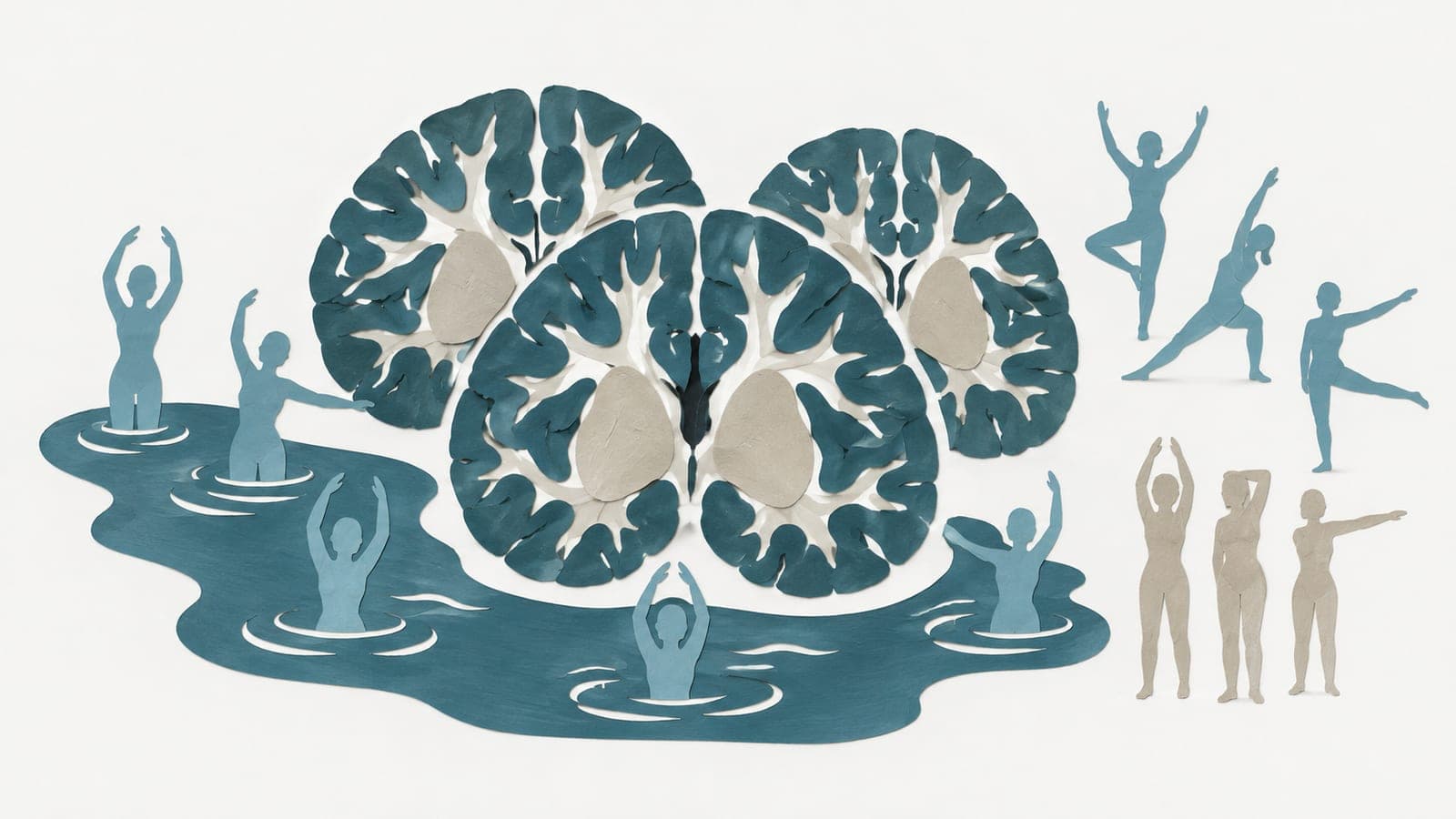
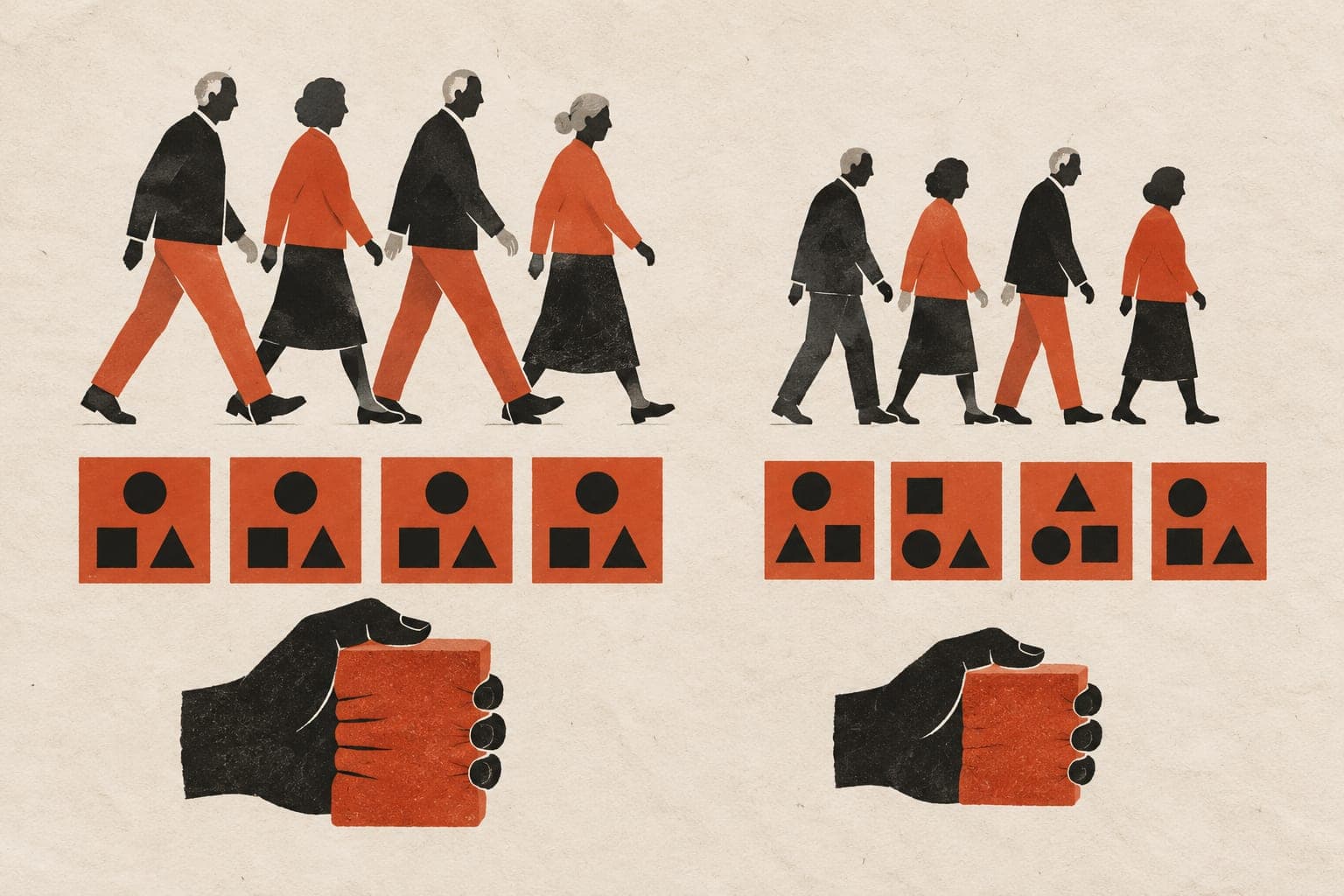
Executive functions (EFs) which include inhibition, working memory, and cognitive flexibility, typically decline with age. This increases the risk of falls and reduces independence and quality of life. Traditional interventions such as aerobic training, resistance training, and coordination training have demonstrated general benefits for cognitive health, with some studies reporting modest improvements in EFs. However, the evidence is mixed, with the effect sizes varying depending on the type of training and the design of the study. A growing body of research supports cognitive-motor dual-task (CMDT) training, which combines physical and cognitive tasks. Among its variants, simultaneous CMDT, where both tasks are performed together, has shown the most promise. This method more effectively engages shared cognitive and motor resources and mirrors real-life multitasking demands. Systematic reviews and meta-analyses consistently suggest that simultaneous CMDT leads to greater improvements in EFs and dual-task performance than physical or cognitive training alone. It is also associated with enhanced mobility, reduced fall risk, and improved functional independence in older adults. The effectiveness of training depends on characteristics such as frequency, duration, and session length, though the role of intensity remains understudied. In conclusion, while traditional physical training remains valuable, simultaneous CMDT stands out as a particularly effective and ecologically valid intervention for preserving executive and functional abilities in aging populations. There is also potential for its application to be expanded to age and clinical groups.
The paper
German Sport University Cologne; University of Münster
Psychology of Sport and Exercise, Nov 10, 2025, Open access