Central Obesity Disrupts Brain Network Organization in Aging via Metabolic and Structural Pathways
Abstract
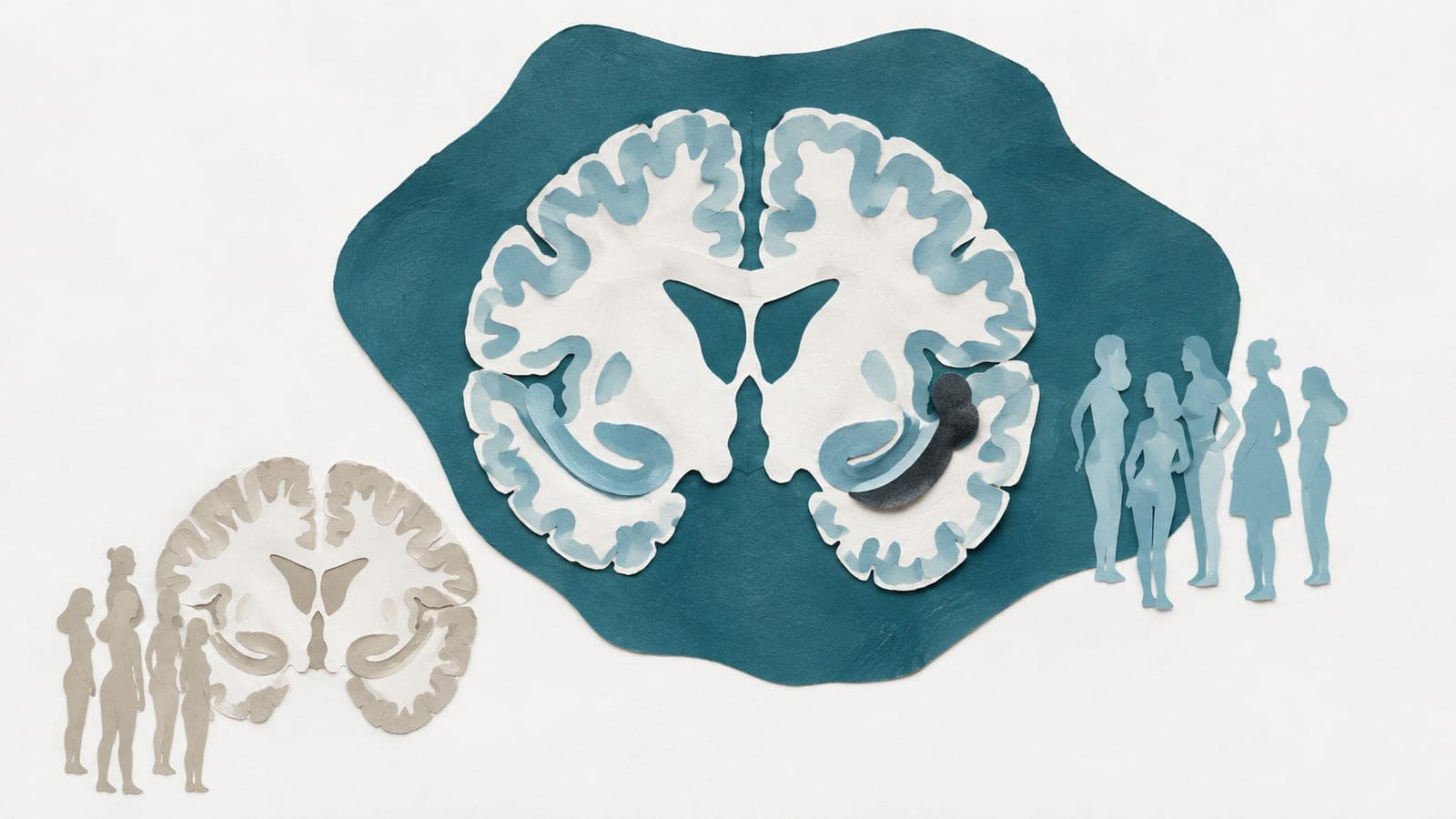
Obesity is a recognized risk factor for age-related cognitive decline, with central (abdominal) obesity posing a particular strong threat to brain health. In a cross-sectional study of 89 cognitively healthy adults (52-79 years, mean 65.7 ± 6.4; 58 women), we compared the effects of central versus overall obesity on brain connectivity measured with resting-state fMRI. We focused on network segregation, an index of functional specialization that captures the balance between connections within and across large-scale brain networks. Central obesity, but not overall obesity, was associated with reduced segregation in associative and sensorimotor networks, even after adjusting for overall obesity, highlighting the role of abdominal fat accumulation. To explore underlying mechanisms, we combined a widely used clinical index of peripheral insulin resistance (HOMA-IR) with multimodal neuroimaging, including structural MRI for cortical thickness, T1w/T2w MRI for intracortical myelin, FDG-PET for glucose metabolism, and FBB-PET for Aβ load. Mediation analyses showed that central obesity was associated with insulin resistance, which was related to alterations in intracortical myelin, cortical glucose metabolism, and cortical Aβ accumulation. These changes were collectively linked to reduced network segregation. Modeling cortical Aβ load as preceding cortical glucose metabolism further revealed stronger and more widespread network disruption, which may reflect bidirectional interactions between amyloid pathology and metabolic dysfunction. These findings describe a pattern of metabolic and structural brain changes linked to central obesity that may compromise brain functional integrity. Although causality cannot be inferred from this cross-sectional design, targeting abdominal fat and related metabolic factors could help preserve brain health and reduce cognitive vulnerability with aging.
The paper
Instituto de Salud Carlos III
Aging and Disease, 16 Oct 2025