Understanding Myalgic Encephalomyelitis/Chronic Fatigue Syndrome Physical Fatigue Through the Perspective of Immunosenescence
Abstract
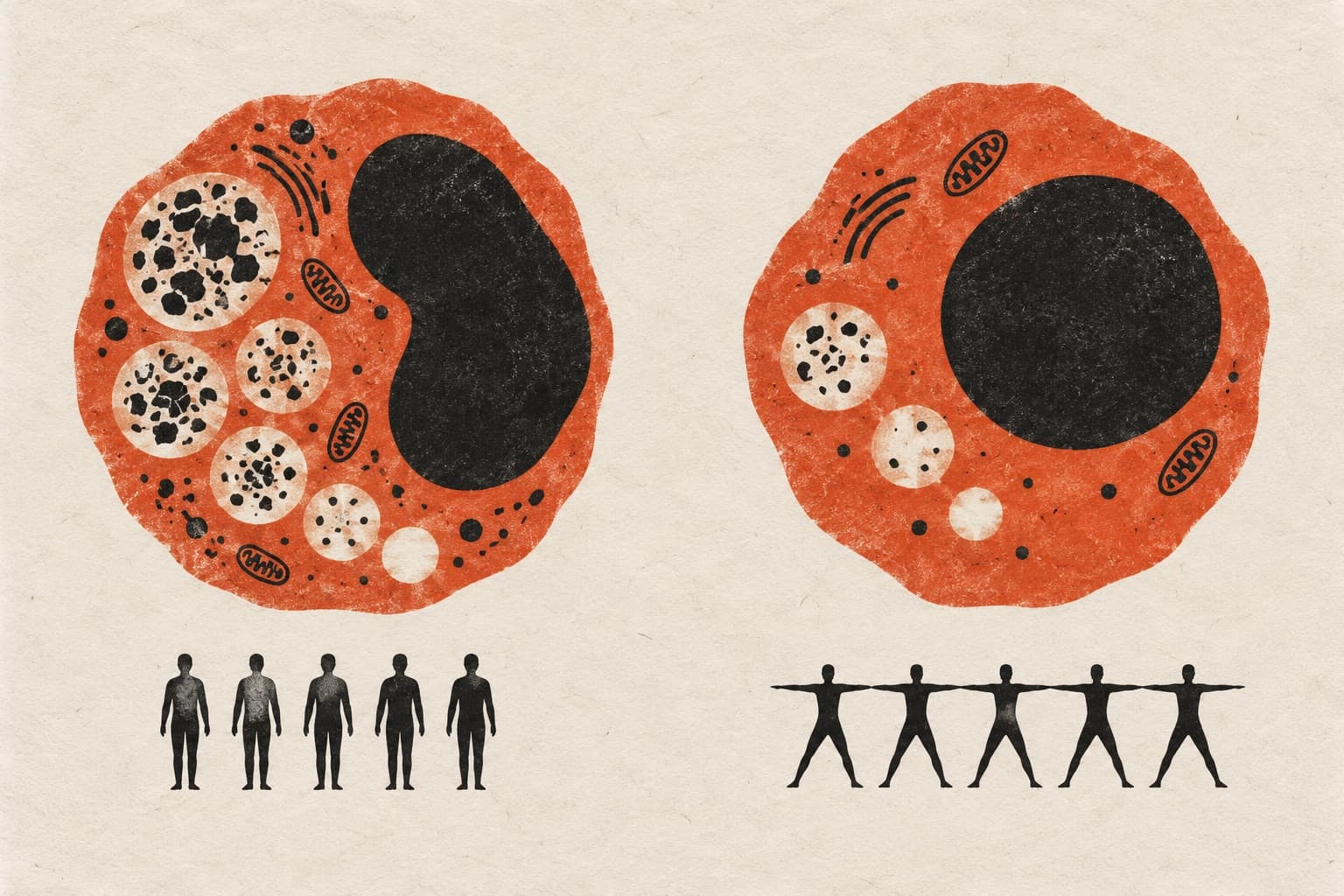
BACKGROUND: Myalgic encephalomyelitis/chronic fatigue syndrome (ME/CFS) is a debilitating illness marked by persistent fatigue, yet its mechanisms remain unclear. Growing evidence implicates immunosenescence-the age-related decline in immune function-in the onset and persistence of fatigue. METHODS: This review synthesizes clinical and experimental data to examine how immunosenescence contributes to ME/CFS. We focus on chronic inflammation, senescent immune phenotypes, mitochondrial dysfunction, and neuroendocrine imbalance, with emphasis on maladaptive crosstalk among immune, muscular, neuroendocrine, and vascular systems. RESULTS: Aging immune cells drive chronic inflammation that impairs mitochondrial ATP production and promotes muscle catabolism. Concurrently, HPA-axis suppression and β₂-adrenergic dysfunction amplify immune dysregulation and energy imbalance. Together, these processes illustrate how immunosenescence sustains pathological cross-organ signaling underlying systemic fatigue. CONCLUSION: Immunosenescence provides a unifying framework linking immune, metabolic, and neuroendocrine dysfunction in ME/CFS. Recognizing cross-organ communication highlights its clinical relevance, suggesting biomarkers such as cytokines and exhaustion markers, and supports integrated therapeutic strategies targeting immune and metabolic networks.
The paper
Chengdu University of Traditional Chinese Medicine
Comprehensive Physiology, 29 Sep 2025