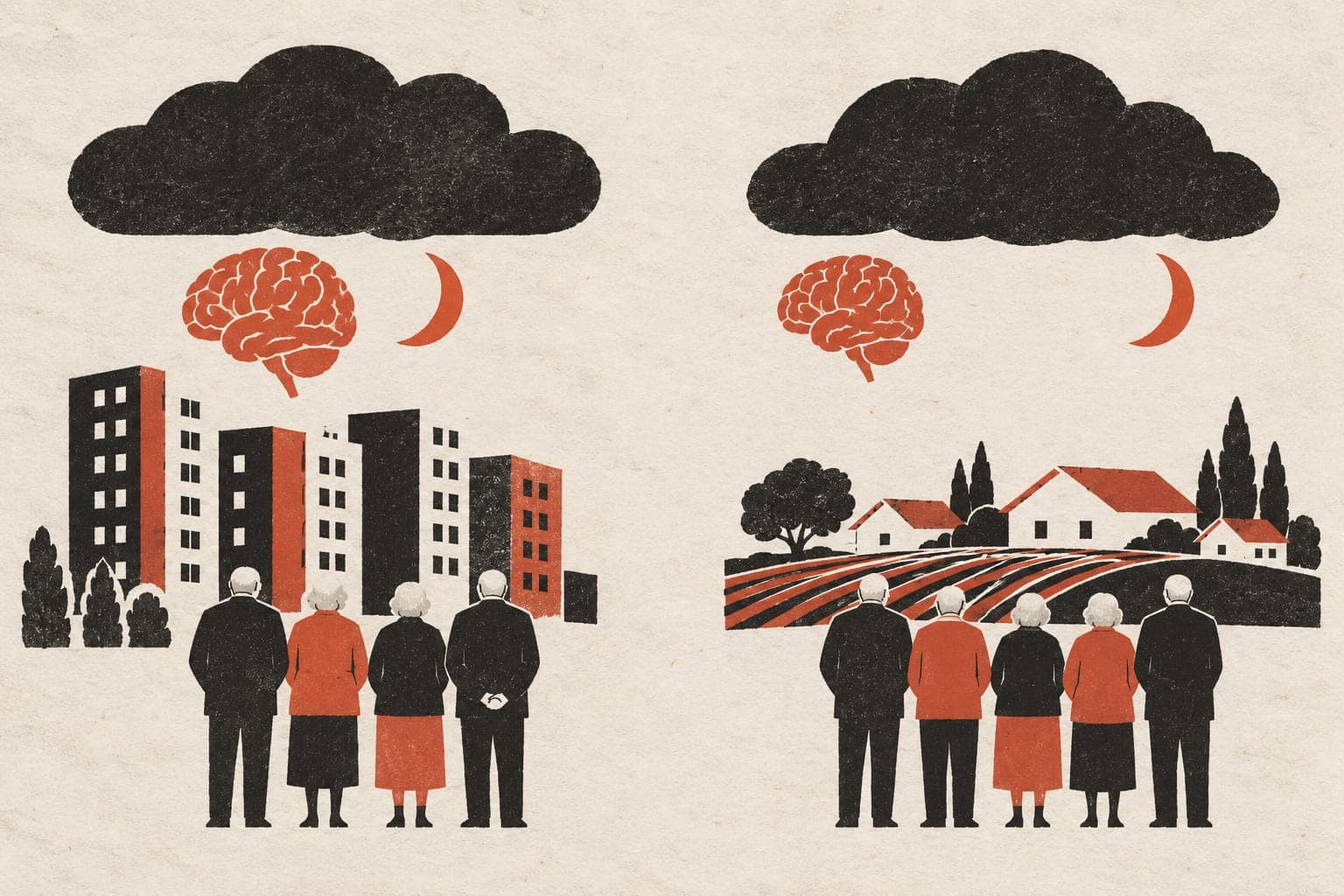
A Cross-Sectional Study on the Psychological Effects of Different Exercises on Elderly Women
Abstract
Background: Exercise has been widely recognized as an effective non-pharmacological intervention method for maintaining the mental health and sleep quality of the elderly. However, existing studies rarely distinguish the types of exercise based on cultural attributes, and this is even more so for the situation of elderly women. This oversight limits the accuracy of exercise recommendations for this population. Hence, this study aimed to compare the differential effects of three types of exercise-Oriental exercise, general exercise, and sedentary leisure exercise (SLE)-on physiological indicators and mental health in elderly women and to examine the associations between physiological indicators, sleep quality, and mental health. Methods: A total of 386 participants were included in the study, comprising 252 individuals in the Oriental exercise group (mean ± SD: 67.83 ± 5.36), 110 individuals in the general exercise group (mean ± SD: 67.19 ± 4.47), and 24 individuals in the SLE group (mean ± SD: 67.38 ± 4.75). Psychological tests (Pittsburgh Sleep Quality Index (PSQI), the Satisfaction with Life Scale (SWLS), the Subjective Well-being Scale (SWB), the Geriatric Depression Scale (GDS), the Geriatric Anxiety Scale-20 (GAI-20), and the Exercise Motivation Scale (SMS)) and physiological measurements (such as body weight and pulmonary capacity) were conducted. ANOVA was performed to compare the effects of the three types of exercise on physiological and psychological outcomes, and correlation analyses were conducted to evaluate the associations between different types of exercise and mental health indicators, physiological indicators, and sleep quality. Results: Primary Objective: One-way ANOVA showed significant group differences in key outcomes. Bonferroni post hoc tests confirmed the following: Oriental exercise > general exercise in SWB (p = 0.032); general exercise > SLE in sleep quality (PSQI, p = 0.028) and lower body weight (p = 0.019); Oriental exercise > general exercise in vital capacity (p < 0.001). Secondary Objective: Pearson correlations revealed the following: PSQI negatively correlated with life satisfaction (SWLS: p = 0.035) and positively with GDS (p = 0.021); SWB positively correlated with SWLS (p < 0.001) and negatively with GDS (p = 0.002). Conclusions: Different exercise modalities have distinct benefits for elderly women. Oriental exercise improved vital capacity and well-being, while general exercise reduced body weight and enhanced sleep quality compared with sedentary leisure activity. Tailored exercise programs may effectively promote both physical and mental health in this population.
- General exercise
- Oriental exercise
- Sedentary leisure exercise
- Body weight
- Exercise Motivation Scale
- Humans
The paper
Gdansk University of Physical Education and Sport; WSB Merito University in Gdańsk
Brain Sciences, 26 Aug 2025, Open access