Active aging activities and genetic determinants of cognitive health: findings from the Kuakini Honolulu-Asia Aging Study
Abstract
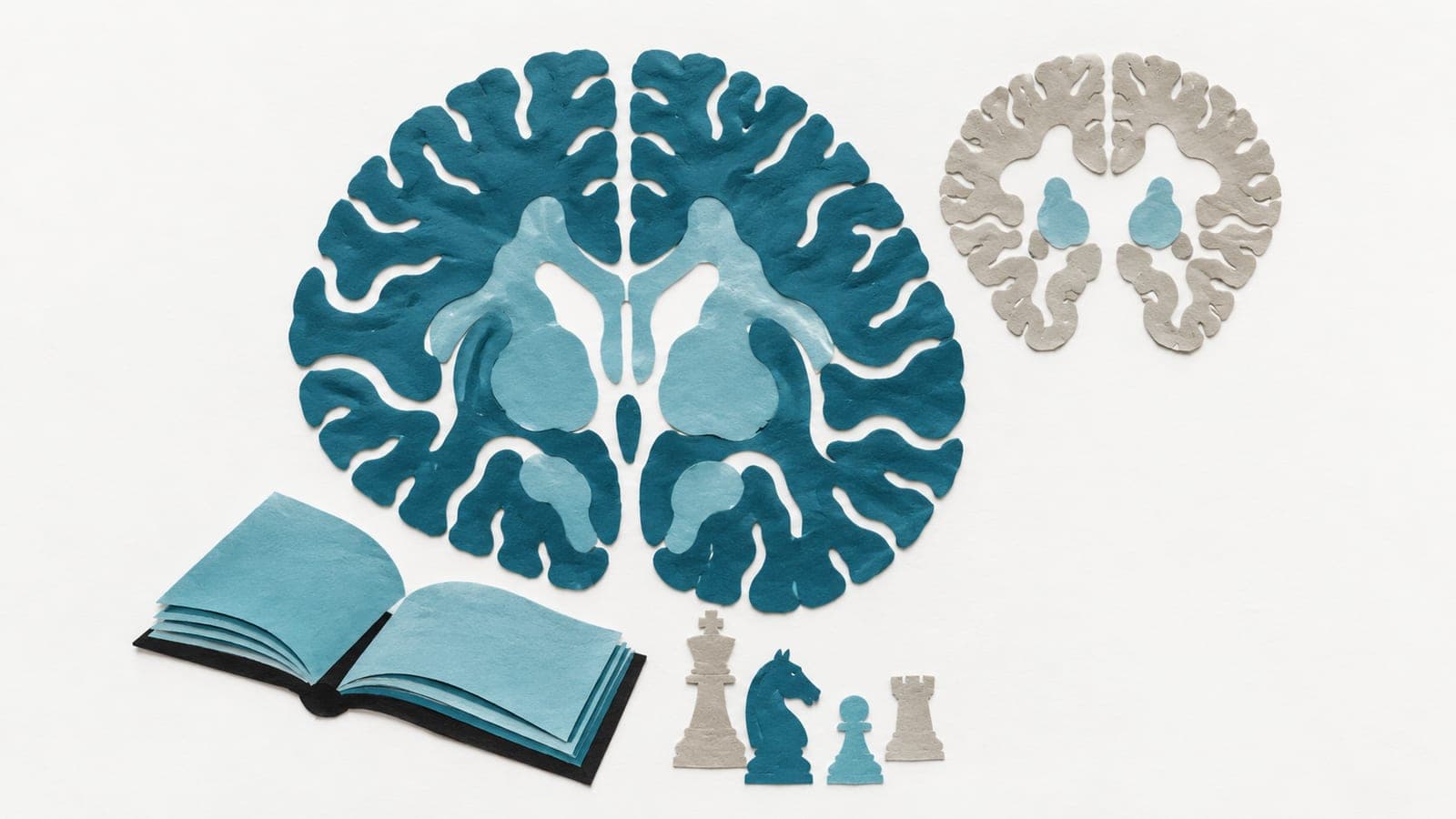
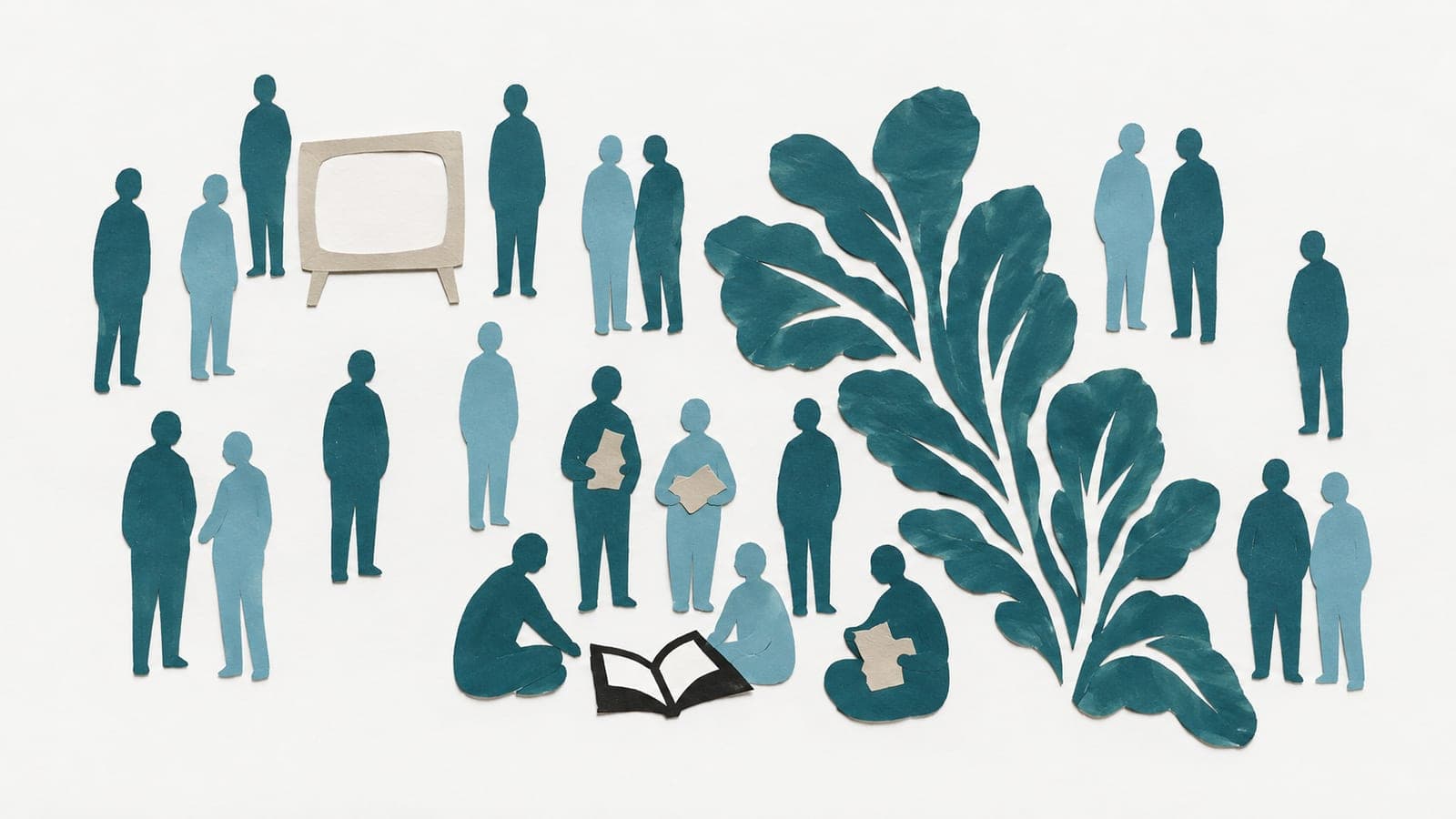
BACKGROUND AND OBJECTIVES: The role of an active lifestyle and genetic factors in promoting cognitive health is critical. However, few have simultaneously considered both lifestyle and genetic influences to assess how these factors are associated with cognitive health. Informed by the productive aging framework and the cognitive reserve theory, the present study investigates productive and leisure activities, apolipoprotein E epsilon 4 (APOE-ε4), and Forkhead box O3 (FOXO3) genotypes, with cognitive health among older Japanese-American men. RESEARCH DESIGN AND METHODS: The Kuakini Honolulu Heart Program/Honolulu-Asia Aging Study, a prospective cohort study of Japanese-American men, was used to perform multivariate multinomial logistic regression models. RESULTS: Relative to nonvolunteers, respondents engaged in volunteering had lower odds of cognitive impairment. Higher-intensity physical activity engagement was associated with decreased odds of cognitive impairment and intermediate cognitive function. However, being engaged in work was not significantly associated with odds of cognitive impairment or intermediate cognitive function. When work, volunteering, and physical leisure activities were all entered into the model, volunteers had about 54% lower odds of cognitive impairment compared to nonvolunteers, and an increase in physical leisure activity levels was related to lower odds of cognitive impairment and intermediate cognitive function. The presence of any APOE-ε4 alleles was associated with higher odds of intermediate cognitive function, but FOXO3 was not significant. All the models adjusted for the covariates. The interaction between activities and genetic factors was not significant. DISCUSSION AND IMPLICATIONS: This study confirms the importance of social and physical activities for cognitive health promotion. Future implications are discussed.
The paper
University of Hawaiʻi at Mānoa
The Gerontologist, 26 Sep 2025