Associations of Social Engagement and Perceived Interpersonal Connectedness With Cognitive, Mental, and Physical Health in American Indian and Alaska Native Adults
Abstract
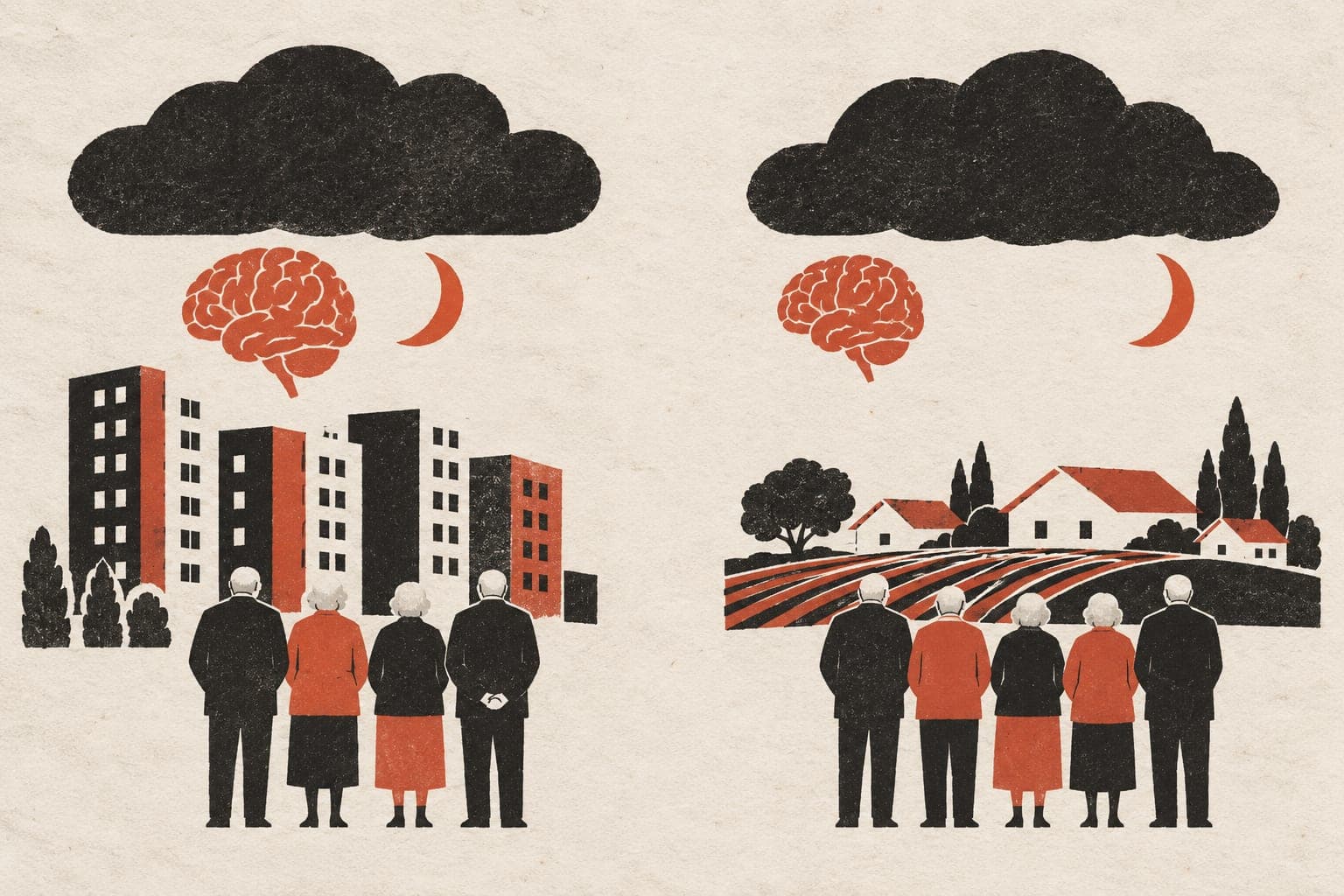
ObjectivesWe examined associations of social engagement and interpersonal connectedness with cognitive function, distress, and mental and physical health in middle-aged and older American Indian and Alaska Native (AI/AN) adults.MethodsData from 552 AI/ANs aged 55+ in the Rocky Mountain region (2019-2023). Social engagement and interpersonal connectedness were assessed using validated scales. Outcomes included cognitive impairment (adapted AD8), distress (K6 scale), and self-reported mental and physical health. Poisson regression models examined associations.ResultsGreater social engagement was significantly associated with a lower risk of cognitive impairment, lower odds of suboptimal mental, and physical health among AI/AN females, while greater interpersonal connectedness was significantly associated with lower risk of cognitive impairment and reduced odds of the other outcomes among AI/AN males. Associations were stronger in urban than rural areas.DiscussionCulturally tailored interventions that promote social connectedness may enhance well-being in this underserved population. Further research on sex and residence differences is warranted.
- Social engagement
- Social connectedness
- Cognitive impairment
- AD8
- Kessler 6-item Psychological Distress Scale
- Humans
The paper
University of California, Irvine
Journal of Aging and Health, Sep 21, 2025, Open access
Presented at AAIC 2025 as an abstract