Circulating Cell-free DNA Fragmentomics Detection and Beyond
Abstract
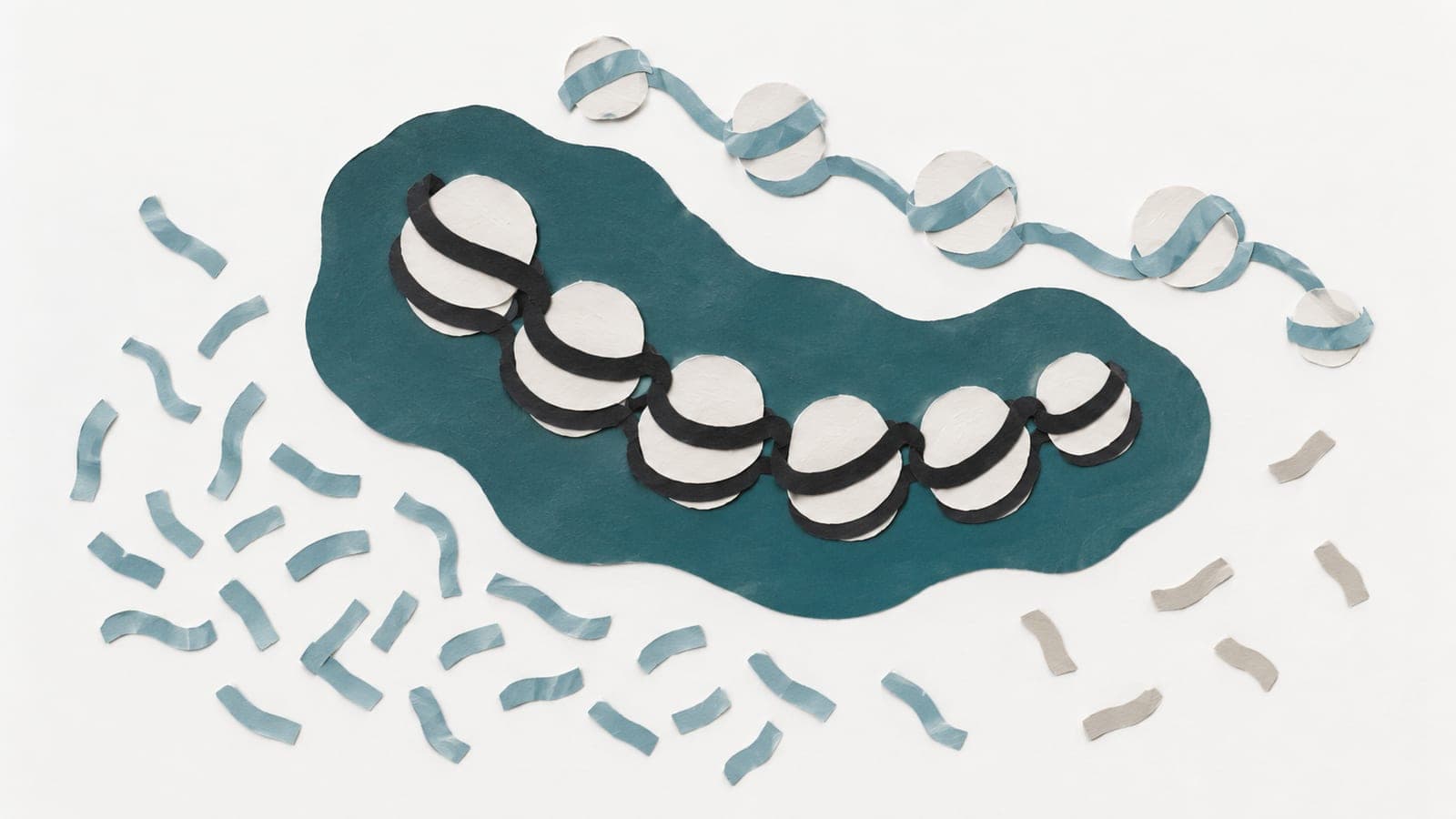
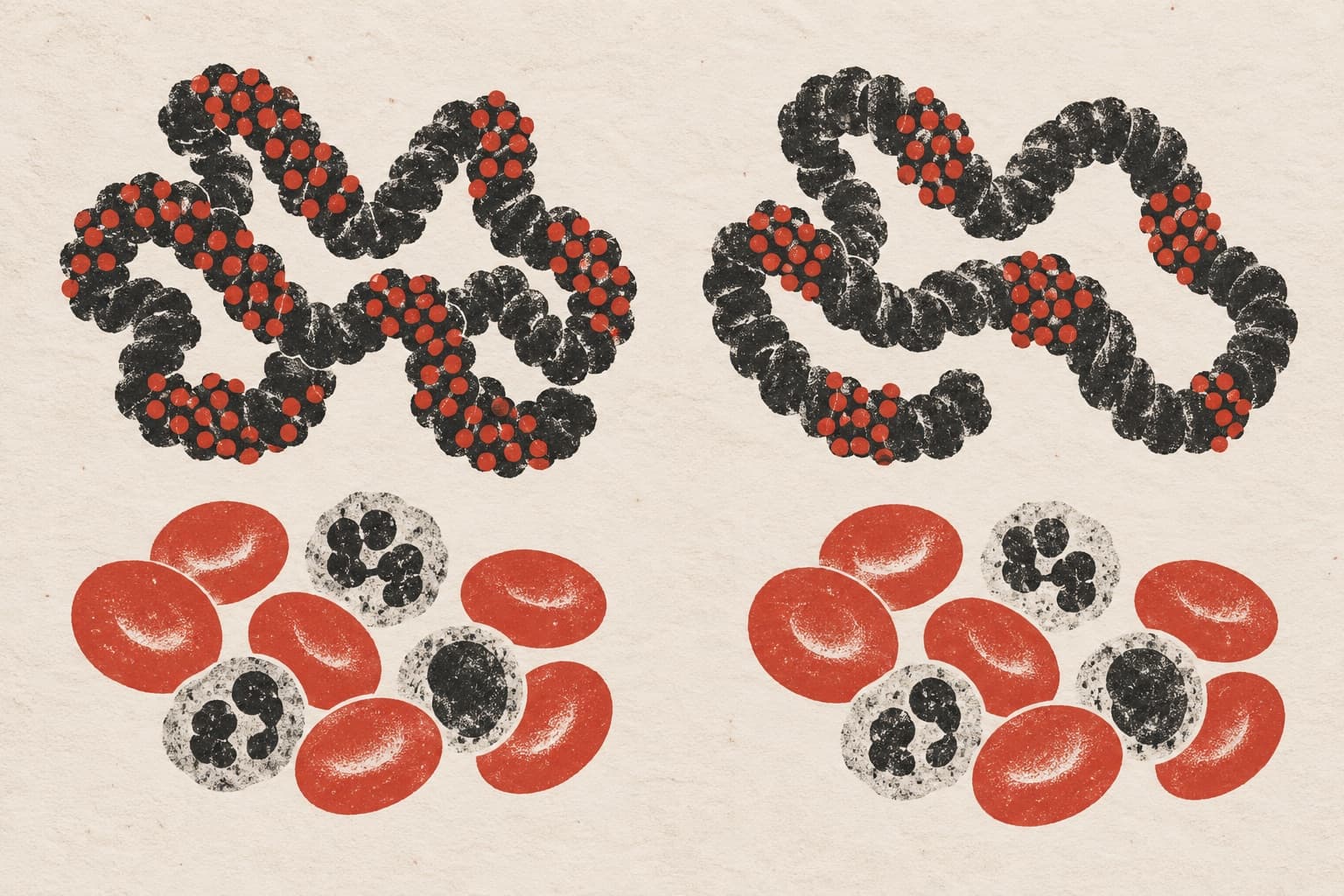
Circulating cell-free DNA (cfDNA) comprises DNA fragments released into bodily fluids via apoptosis, necrosis, or phagocytosis. cfDNA encapsulates both fragmentomics (structural) and non-fragmentomics (sequence/epigenetic) information from source cells, thereby representing a promising biomarker. While non-fragmentomics analyses have enabled diverse diagnostic applications, they often falter in diseases with subtle or widespread genomic changes due to low cfDNA abundance and clonal hematopoiesis interference. Emerging evidence reveals that cfDNA fragmentation is shaped by nucleosome occupancy, nuclease activity, and epigenetic factors, yielding distinct patterns in fragment size, end motifs, nucleosome footprints, and topology. These fragmentomics signatures diverge markedly between healthy and diseased states, and across age group, offering opportunities to complement non-fragmentomics and enhance accuracy. This review delineates key cfDNA fragmentomics targets, elucidates fragmentation mechanisms, and explores clinical applications in the context of diseases and aging. We further survey cutting-edge technologies and computational algorithms and discuss implementation challenges alongside future prospects.
The paper
Chinese Academy of Sciences
Aging and Disease, 3 Sep 2025