Hydrogen promoted mitochondrial autophagy and alleviated CIH-induced vascular endothelial cell senescence by regulating oxidative stress
Abstract
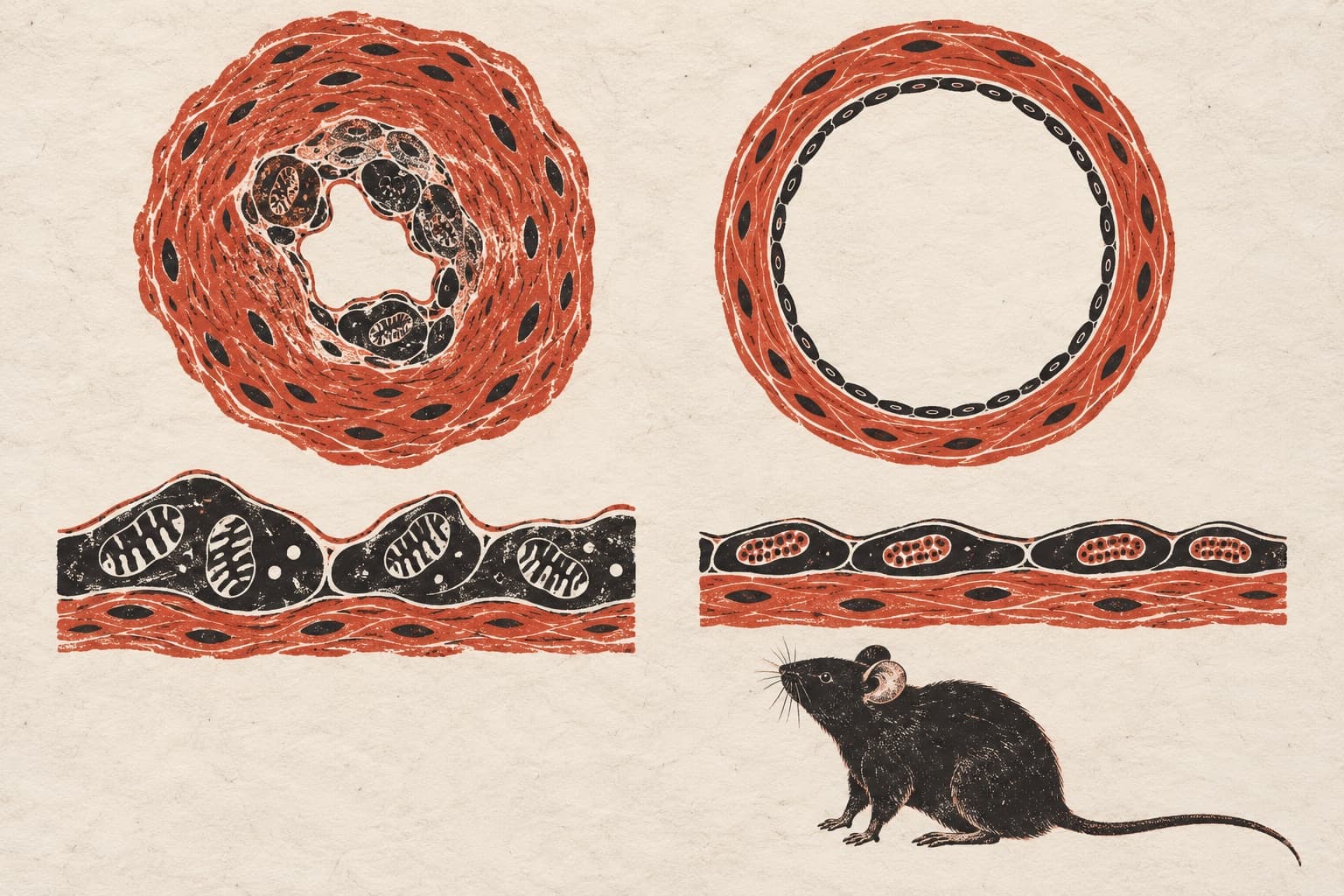
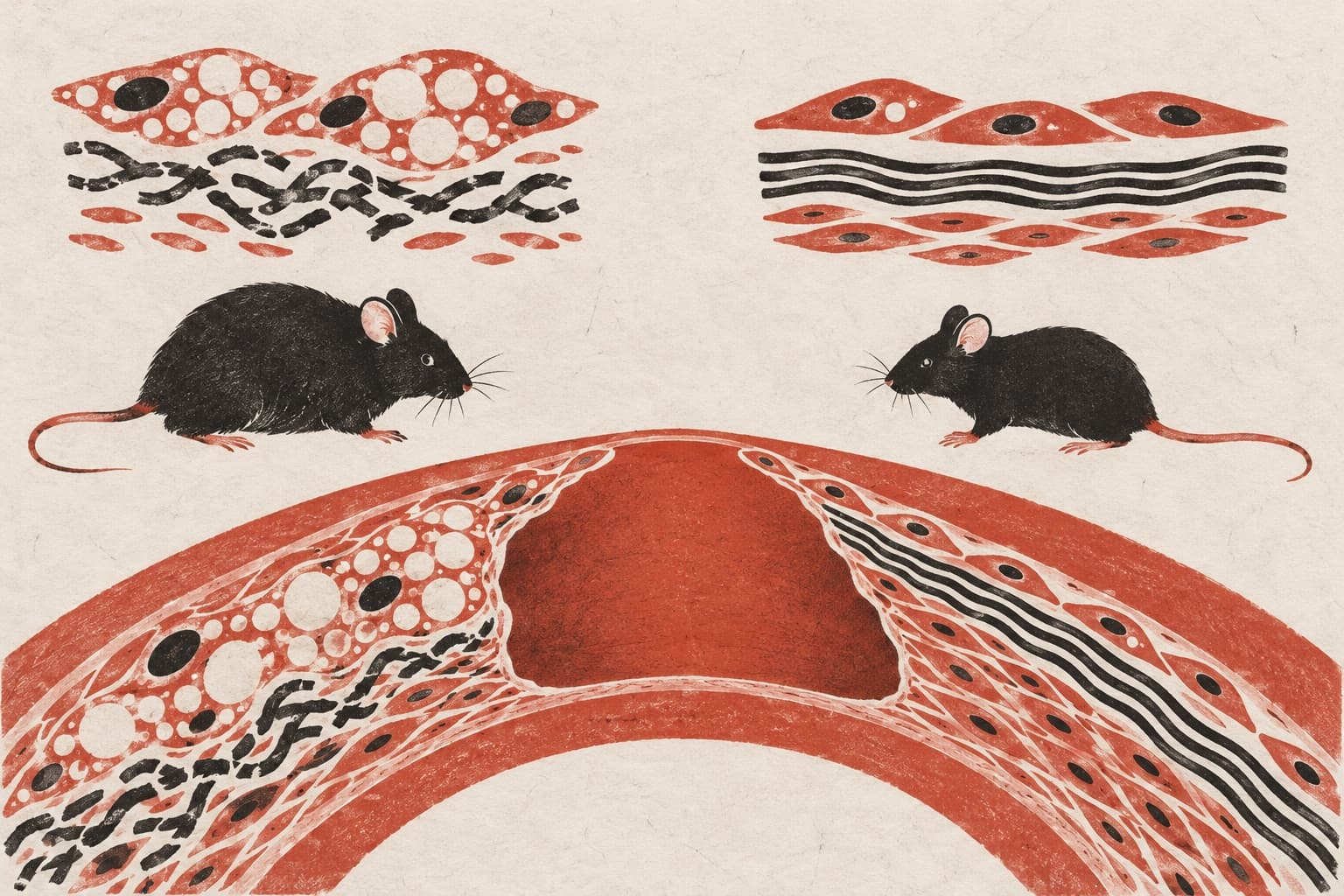
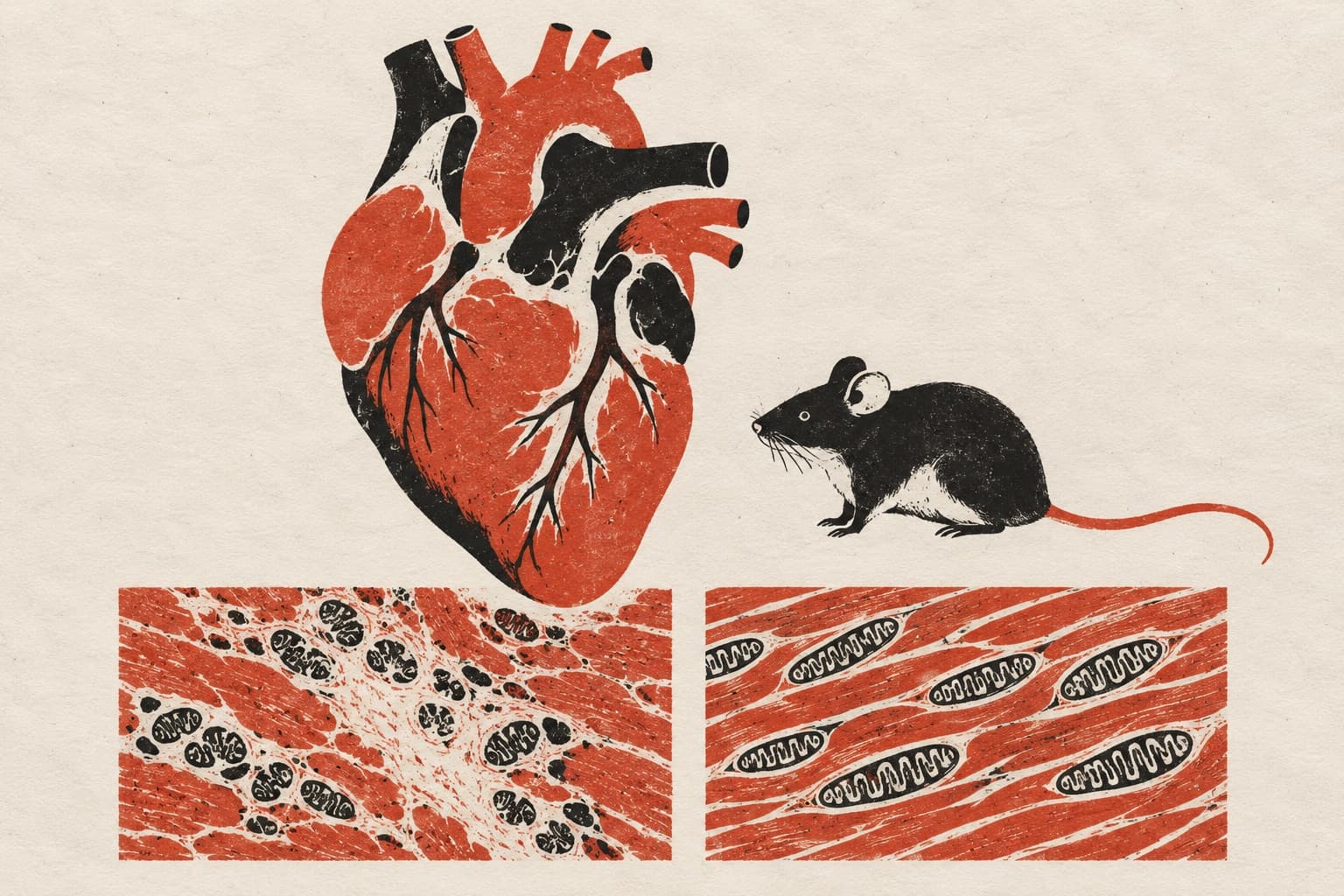
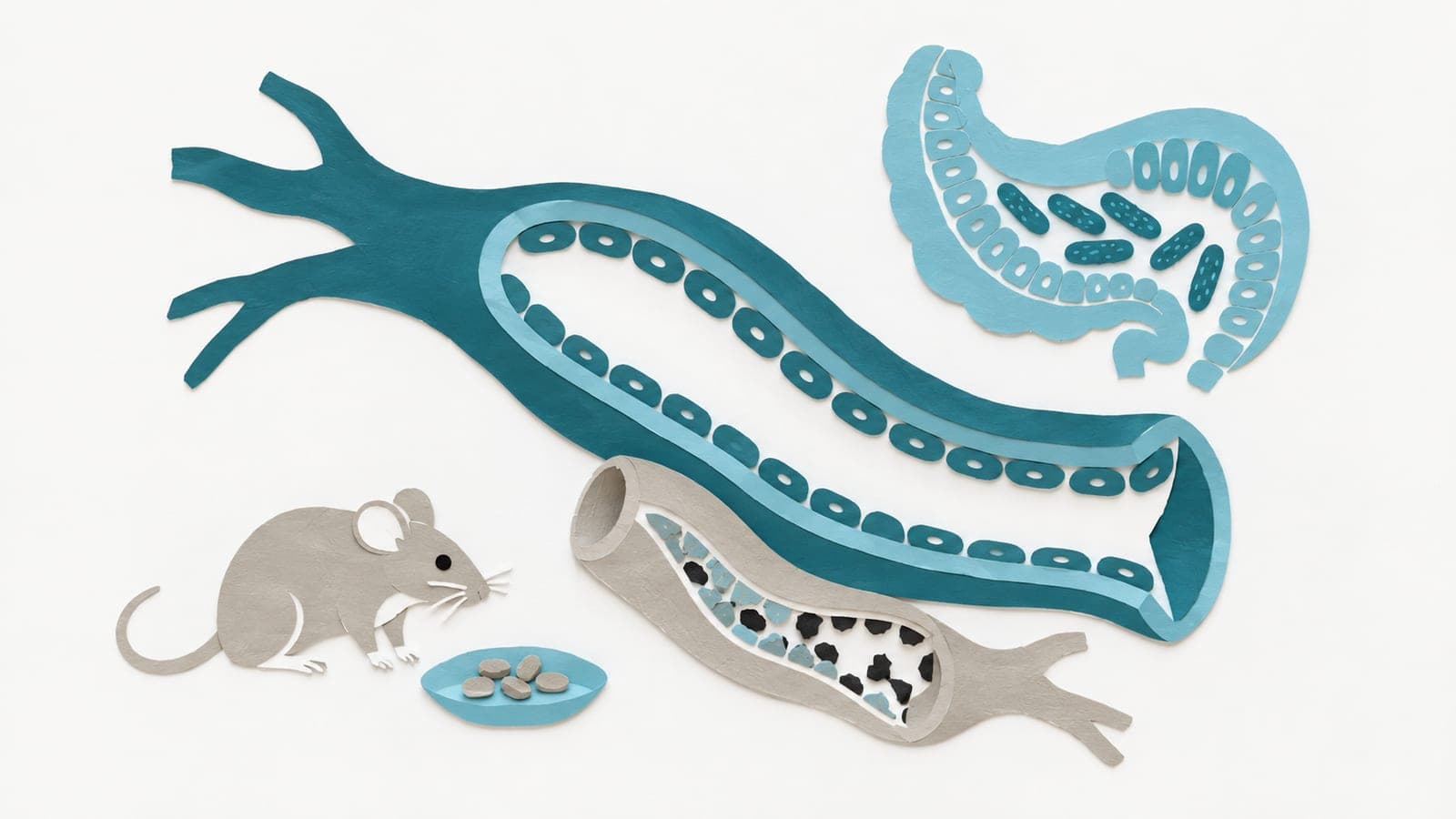
Obstructive sleep apnea (OSA), characterized by recurrent upper airway collapse during sleep, has been linked to systemic physiological impairment and accelerated vascular senescence through chronic intermittent hypoxia (CIH). Currently, there is no approved medication to treat the complications of OSA. Molecular hydrogen (H₂), an anti-oxidative therapeutic agent, plays an important role in regulating cardiovascular and anti-aging. In this study, we aimed to investigate the therapeutic effect of H₂ on OSA-associated vascular endothelial aging by establishing a mouse model induced by CIH and explore the mechanism of H₂ from the perspective of oxidative stress and autophagy. Echocardiography and aortic ring vasodilatory response were employed to assess the impact of H₂ on the aortic function in CIH mice. Haematoxylin and eosin staining, transmission electron microscopy, SA-β-gal staining, DHE staining, and immunofluorescence staining were utilized to observe the changes in histopathology and protein expression. The results demonstrated that H₂ alleviated CIH-induced vascular endothelial aging by improving the pathological injury of the aorta, alleviating vasodilation dysfunction, decreasing the expression of oxidative stress and aging markers, and increasing the expression of autophagy-related proteins. Mechanism investigations revealed that H₂ could inhibit oxidative stress and activate autophagy pathways, but silencing Nuclear factor-erythroid 2 related factor 2 (Nrf2) impaired the ability of H₂ to ameliorate endothelial senescence in the CIH cell model. These suggest that H₂ can activate mitochondrial autophagy, reduce oxidative stress, and improve the senescence of endothelial cells induced by CIH, providing evidence for the clinical application of H₂ in OSA-related vascular endothelial senescence diseases.
The paper
Hebei University of Chinese Medicine
European Journal of Pharmacology, 20 Aug 2025