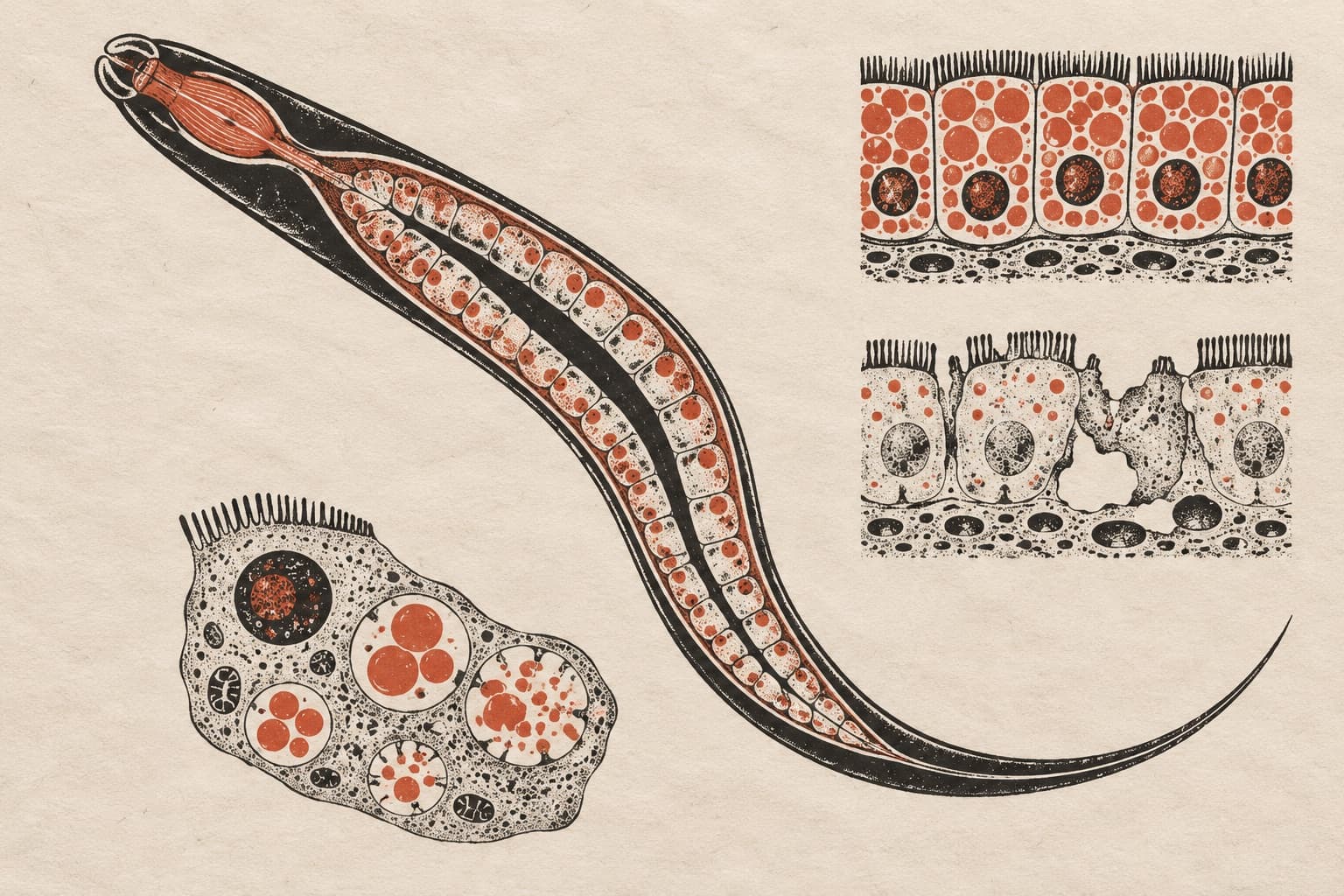
Polychlorinated biphenyls-153 induces fat accumulation and lifespan shortening through CYP450 family genes in Caenorhabditis elegans
Abstract
A class of persistent organic pollutants, polychlorinated biphenyls (PCBs), are ubiquitous in the environment and human tissues which are continuously and long-term threatened. We aim to investigate the toxic effects and the underlying mechanisms of PCB153 using Caenorhabditis elegans as a model organism. Our findings demonstrated that exposure to an optimized concentration of 2 µmol/L PCB153 had adverse effects on C. elegans, led to reduction of lifespan, body length, frequency of body bending, and head wiggling. Additionally, this exposure led to an increase in the accumulation of reactive oxygen species, superoxide dismutase, lipofuscin and fat content within the organism. Furthermore, gene set enrichment analysis and whole transcriptome sequencing revealed, a significant up-regulation of Cytochrome P450 (CYP) family genes, which are crucial for the xenobiotics metabolism in C. elegans. Knocking down specific genes within the CYPs family, including cyp-35C1, cyp-35A5, cyp-35A3, cyp-34A1, and cyp-34A10, via RNA interference were able to reverse the shortening of lifespan and fat accumulation induced by PCB153 exposure. Moreover, a comprehensive a competing endogenous RNA network was constructed by integrating qPCR-validated differentially expressed mRNA along with lncRNA, circRNA, and miRNA identified by transcriptomic sequencing. This study emphasizes that PCB153 exposure leads to the physiological impairments, particularly fat accumulation and a shorter lifespan, through the modulation of CYP450 family genes. These findings contribute to our understanding of environmental pollutants and their impact on biological systems and provide valuable information on the toxic effects and potential risks associated with PCB153 exposure.
The paper
Henan University
Journal of Environmental Sciences, 9 Mar 2025