Engineered bifunctional extracellular vesicles simultaneously promoting senolysis and efferocytosis for anti-aging therapy in diabetic mice
Abstract
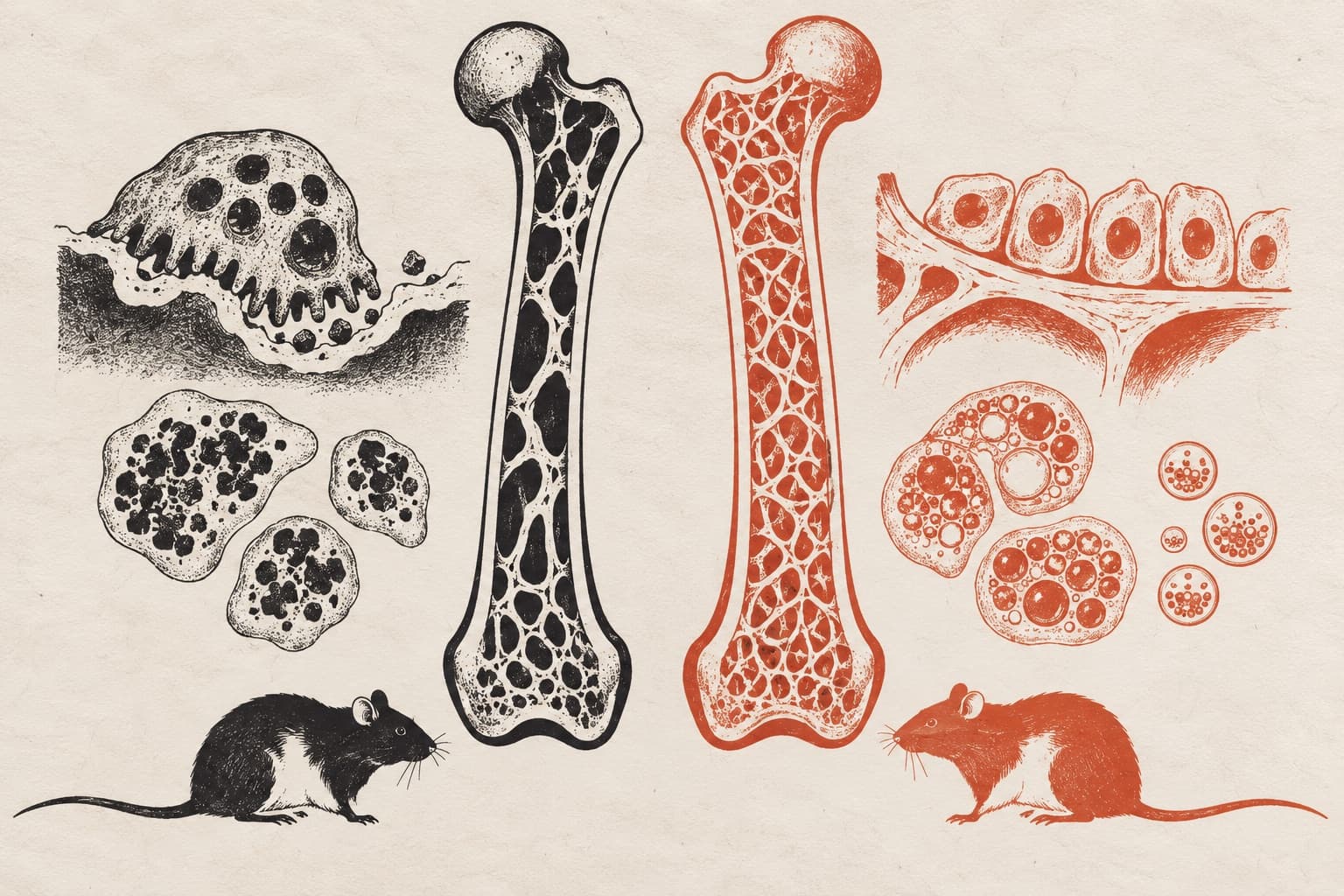
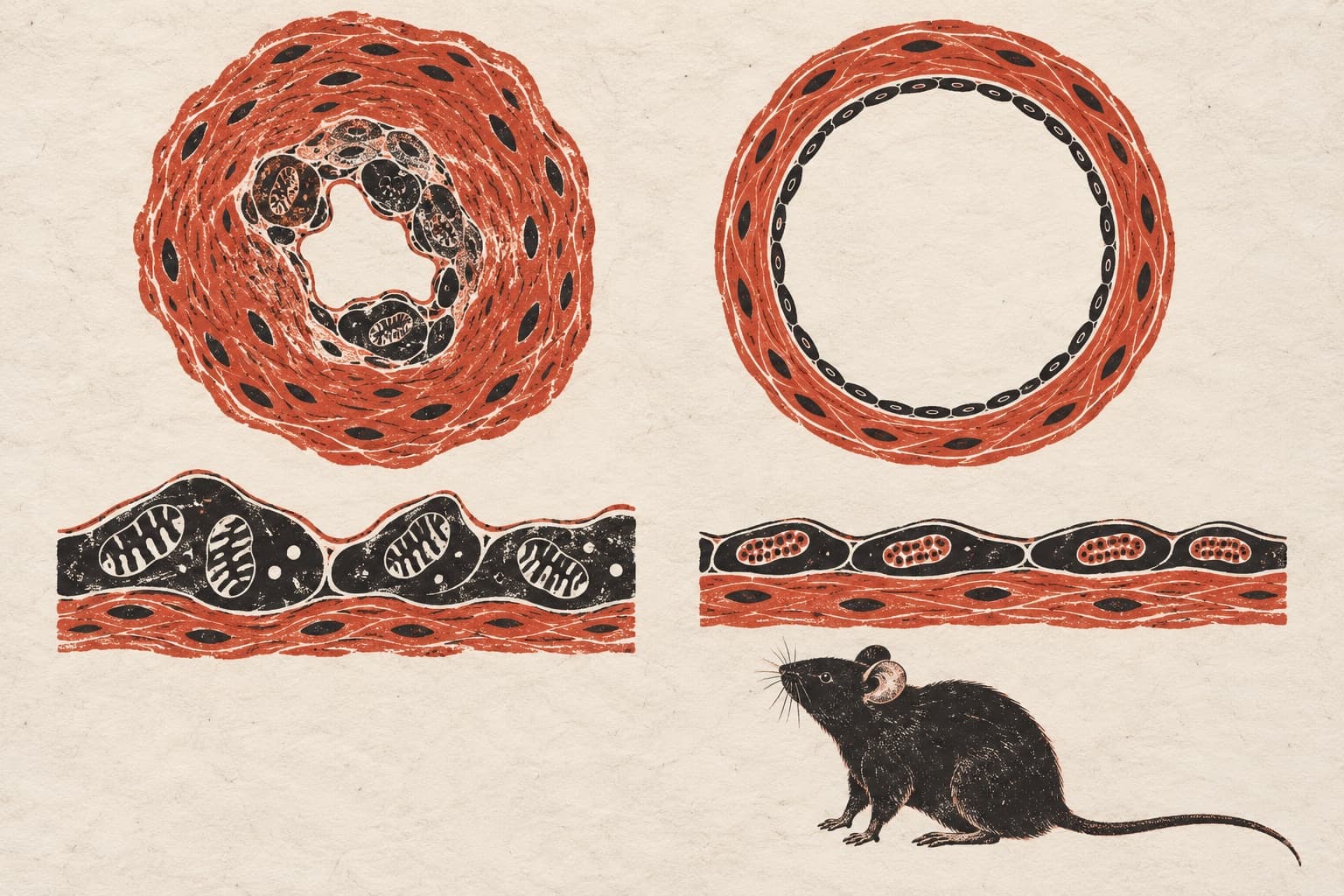
Cellular senescence underlies age-related dysfunction in diseases such as diabetes, but strategies to concurrently induce senescent cell death and facilitate their clearance remain limited. We here engineered extracellular vesicles (EVs) to load dasatinib and quercetin (D + Q) for senolysis and display avidin on their surface, allowing conjugation with biotinylated anti-VCAM1 for targeting and biotinylated Phosphatidylserine (PS) to promote efferocytosis. The dual-functional EVs were characterized in vitro and validated in diabetic mouse models. The engineered EVs selectively bound senescent cells with high affinity, triggering D + Q-dependent apoptosis. The biotinylated PS modification enhanced macrophage phagocytosis of senescent cells by activating phosphatidylserine-recognition receptor signaling, thereby overcoming senescence-associated efferocytosis inhibition. In diabetic mice, the engineered EVs reduced systemic senescent cell burden and suppressed SASP factors. This resulted in reversed aging phenotypes, including restored renal function and reduced osteoporosis in diabetes. In summary, the engineered EVs combining senolysis and efferocytosis promotion efficiently reverse aging phenotypes in diabetic mice, offering a translational strategy for senescence-related disorders.
The paper
Air Force Medical University; Capital Medical University
Biochemical and Biophysical Research Communications, 21 Jul 2025