A taxonomy to characterize stressor variation in studies of physical resilience and its illustration in total knee replacement
Abstract
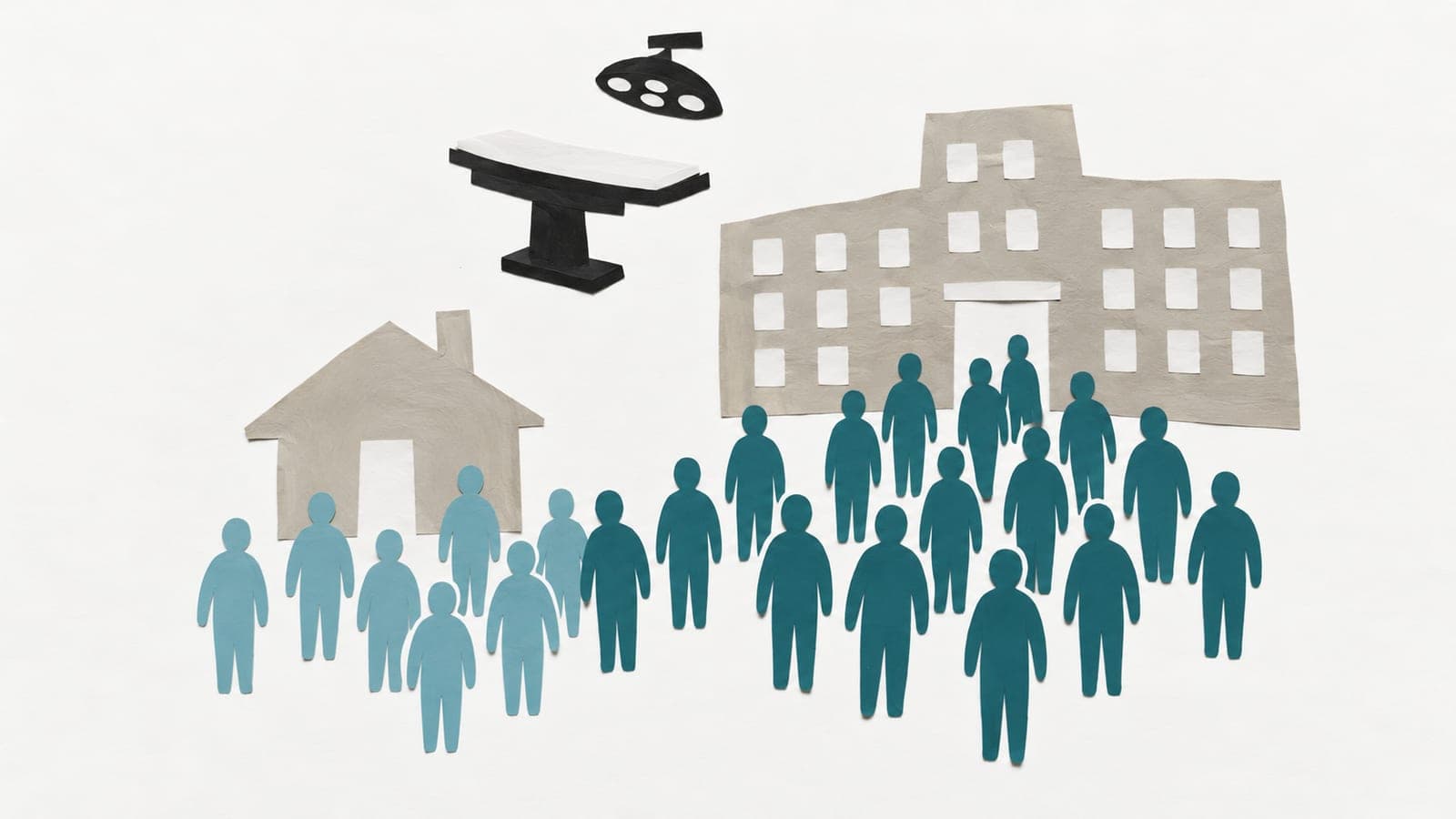
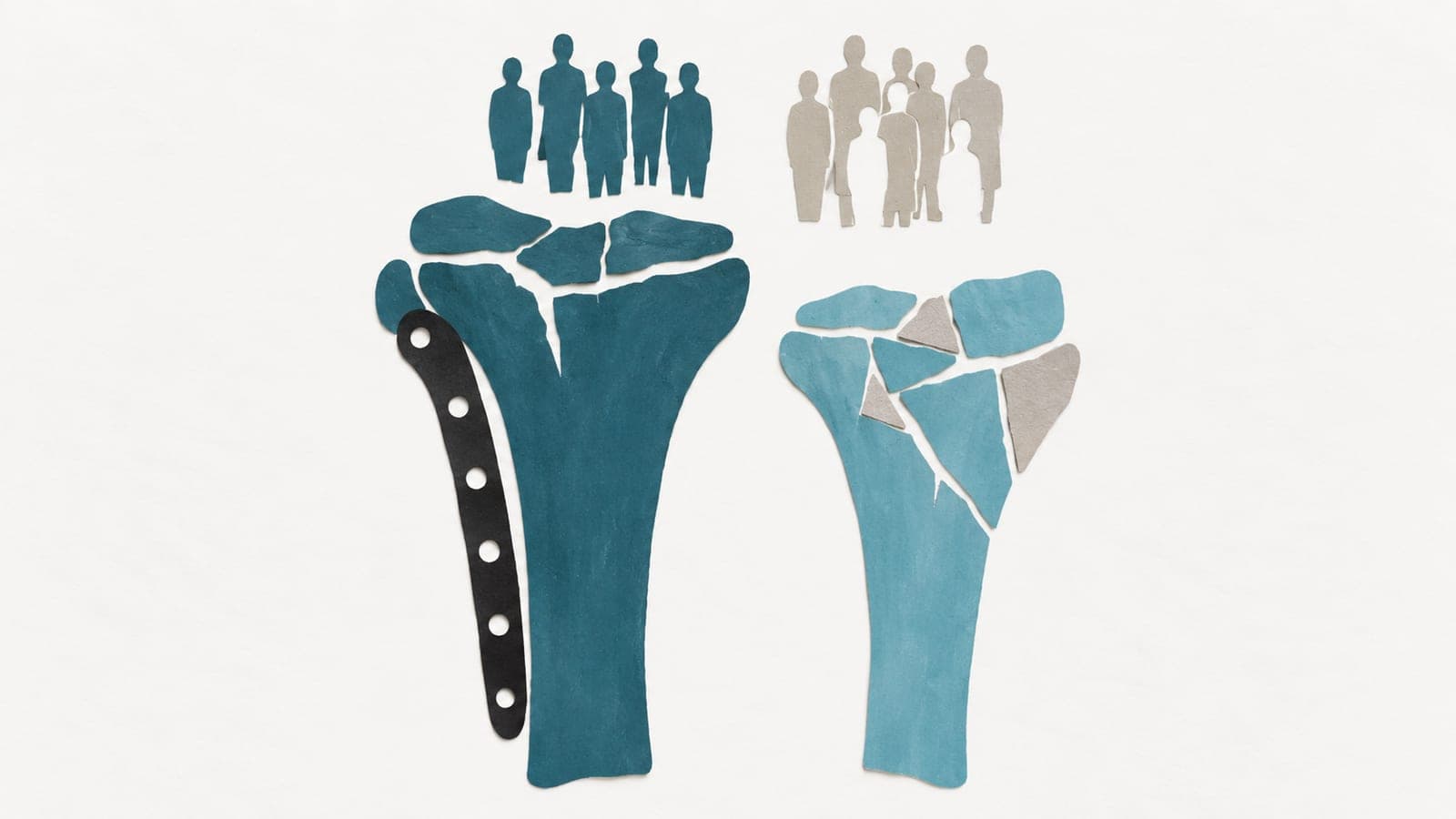
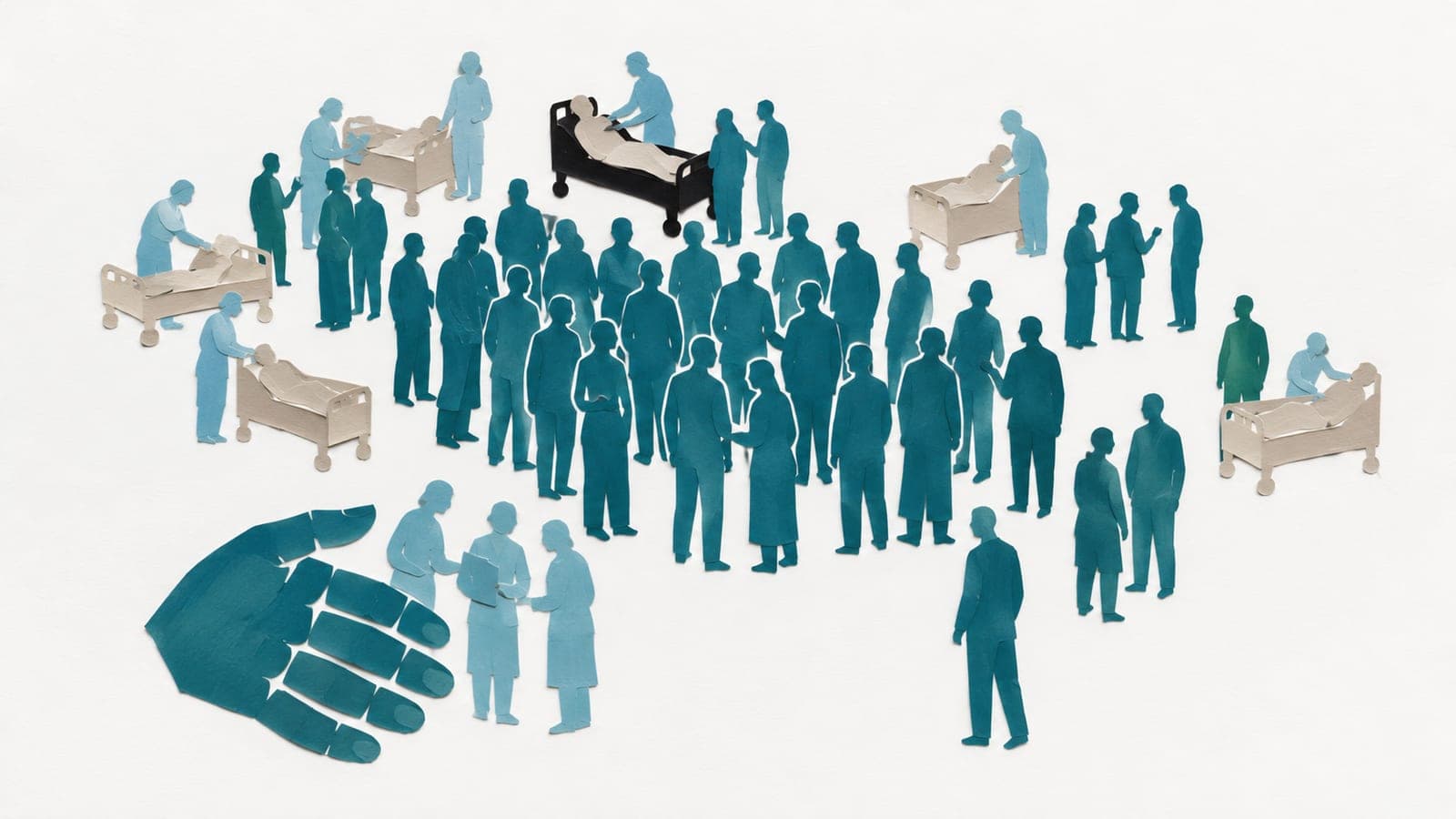
BACKGROUND: This study aimed to develop a conceptual framework and empirical measures to characterize stressor magnitude and type in the context of total knee replacement (TKR) and to investigate their relationship with resilience phenotypes. METHODS: A sequential elicitation process was used to identify key stressor characteristics, categorized as exogenous or endogenous. Resilience phenotypes were created as (postsurgery-[baseline or presurgery]) changes in 4 measures of physical function/symptoms selected based on their relevance to TKR outcomes. These measures included: the Short Physical Performance Battery score (SPPB), the Pittsburgh Fatigability Scale (PFS), the Short Form-36 physical component summary score, and the Knee Injury And Osteoarthritis Outcome Score quality of life subscale. RESULTS: Analyses revealed few associations between baseline phenotype measurements and stressor characteristics. Several consistent adjusted associations were observed between stressor characteristics and 6-month resilience phenotypes. All endogenous measurements analyzed exhibited the expected direction of association with PFS change from baseline to 6 months, indicating that higher stress levels predicted a diminished return of vigor postsurgery; intraoperative blood loss exhibited the strongest association. Outpatient versus inpatient procedures were associated with more beneficial change from baseline to 6 months of all resiliency phenotypes; SPPB score recovery exhibited the strongest association. Other individual strong associations were observed, but with less consistency across phenotypic trajectories or stressor characteristics. CONCLUSIONS: The study highlights the importance of considering stressor variation in resilience research. The conceptual framework and empirical measures developed provide a foundation for future investigations into the factors influencing resilience to physical stressors in older adults.
The paper
Johns Hopkins University
The Journals of Gerontology, Series A, 16 Jul 2025