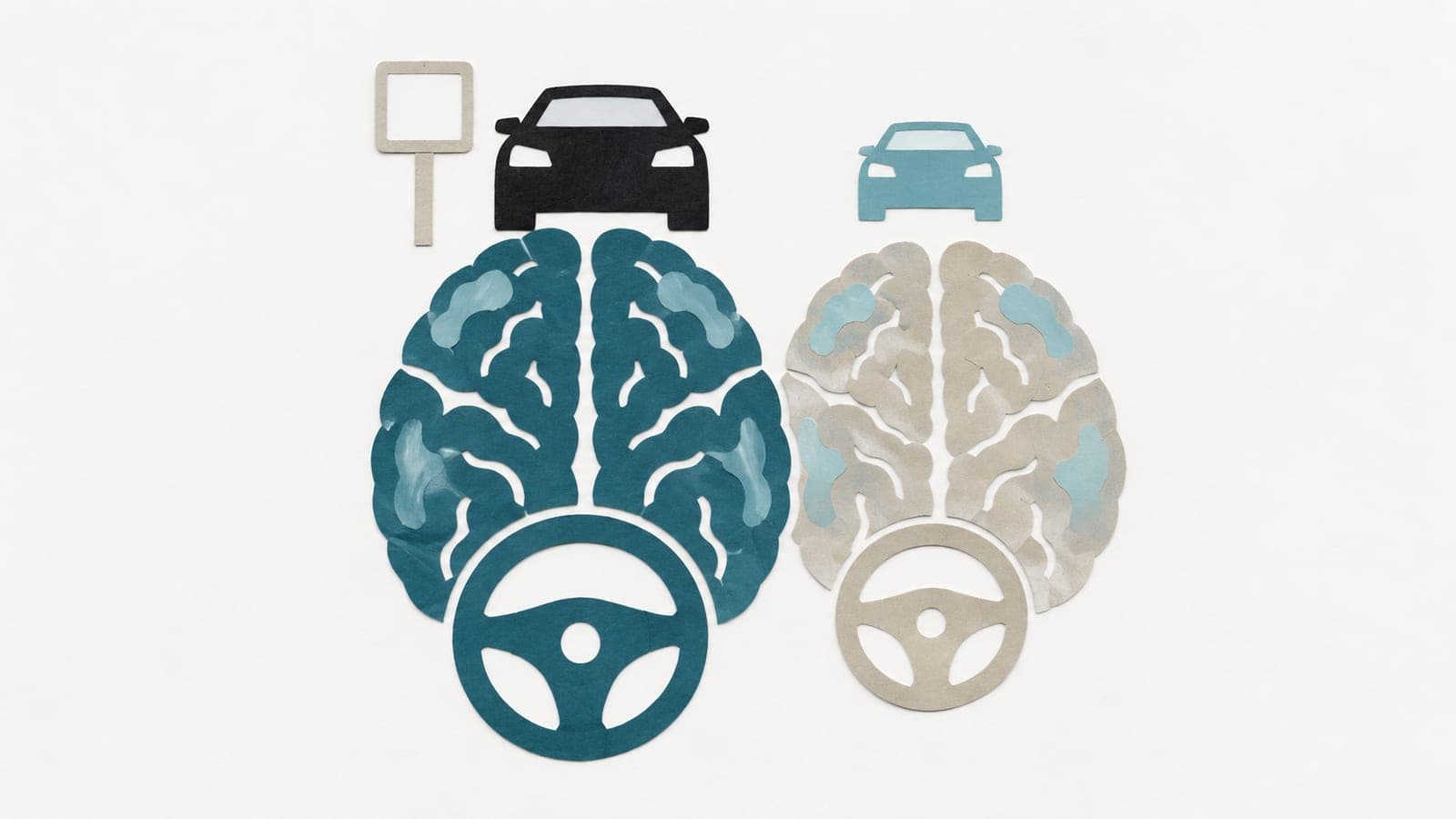
Age-related differences in cognitive reappraisal: The role of cognitive function and implications for emotional regulation
Abstract
Recent research on cognitive reappraisal has highlighted age-related differences in emotional regulation strategies. Younger adults, often relying on stronger executive functions and cognitive resources, tend to favor detached reappraisal strategies. In contrast, older adults tend to draw on their rich life experience and emotional regulation abilities, and are more likely to adopt positive reappraisal. These differences in strategy selection may be related to age-related differences in neural activity. Young adults rely more on prefrontal cognitive control regions to rapidly suppress emotional responses, whereas older adults tend to regulate emotions by reconstructing their emotional meaning, which may contribute to age-related preferences in cognitive reappraisal. Additionally, these differences in strategy use may also be influenced by age-related cognitive decline-Such distinctions may be associated with age-related declines in cognitive functions, such as memory, attention, and executive function, which can constrain strategy choice for older adults in specific contexts. This review systematically explores age differences in cognitive reappraisal strategies and neural mechanisms, and illustrate cognitive functioning as a possible cause influencing the cognitive reappraisal. Lastly, we discuss the potential of cognitive training to enhance cognitive function in older adults, thereby optimizing their emotional regulation strategies and offering directions for future research.
The paper
Capital Normal University
Neuroscience, 14 Jun 2025