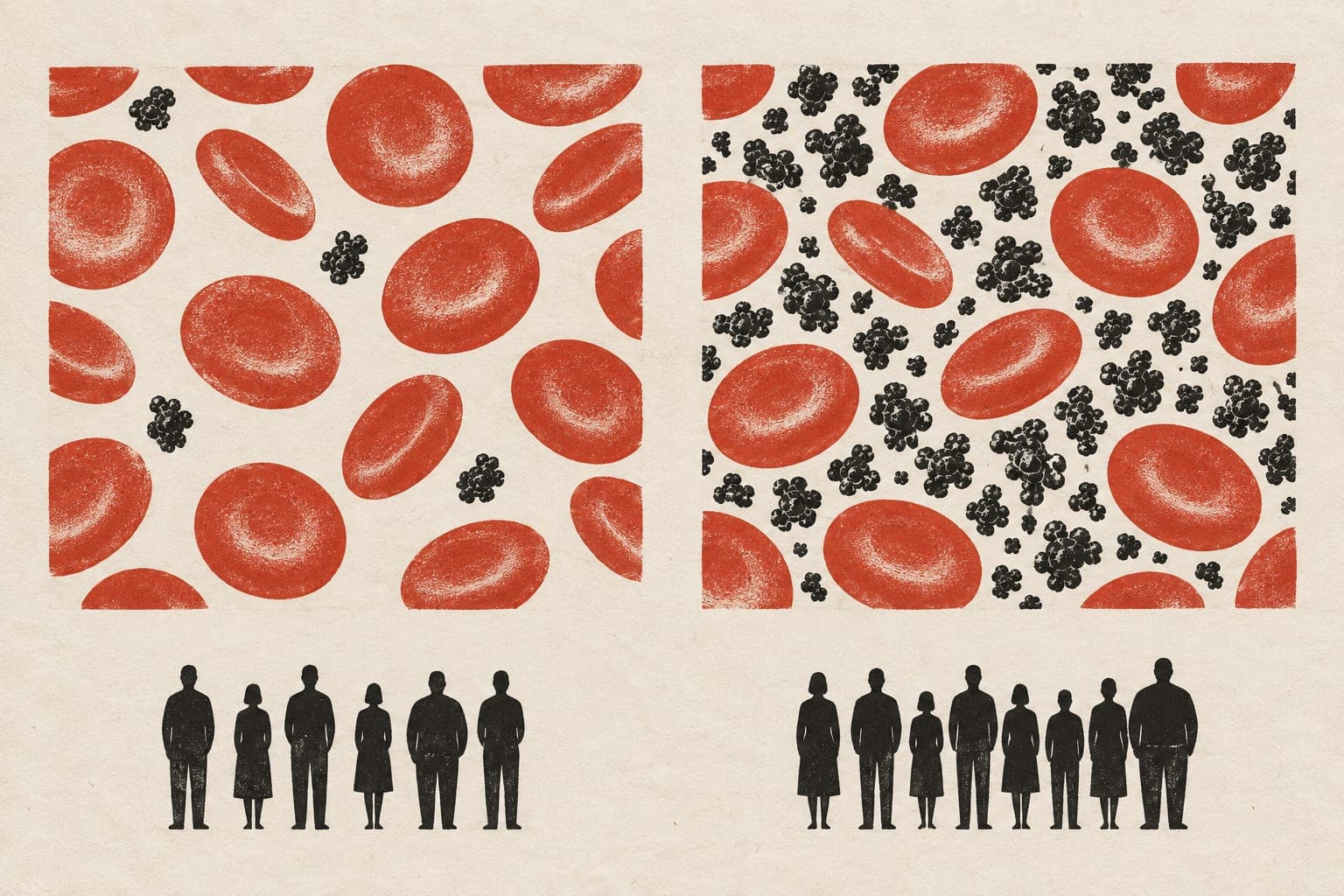
Heterogeneity in mortality risk prediction: a study of vulnerable adults in the Canadian longitudinal study on aging
Abstract
BACKGROUND: Mortality prediction models are essential for clinical decision-making, but their performance may vary across patient subgroups. This study aimed to evaluate how a general mortality prediction model performs across subgroups defined by vulnerability factors and to test whether model improvements could improve prediction accuracy. METHODS: We analyzed data from 49,266 participants in the Canadian Longitudinal Study on Aging. A general mortality prediction model (Model A) was developed using Cox proportional hazard regression with LASSO, incorporating variables spanning sociodemographic factors, lifestyle habits, comorbidities, and physical/cognitive function measures. Performance was evaluated across subgroups defined by age, frailty, multimorbidity, cognitive function, and functional impairment using discrimination (c-index), calibration, and Brier scores. We tested two additional strategies: incorporating subgroup-specific variables (Model B) and developing tailored models for different mortality risk categories (Models C1, C2, C3). RESULTS: Over a median 6-year follow-up, 7.5% (3672) participants died. The general model performed well overall (c-index: 0.82, 95% CI 0.80-0.84; Brier: 0.036, 95% CI 0.032-0.040), but performance varied across subgroups. It was lower in frail individuals (c-index: 0.73, 95% CI 0.71-0.75; Brier: 0.12, 95% CI 0.11-0.13) and those with multiple chronic conditions (c-index: 0.76, 95% CI 0.75-0.78; Brier: 0.08, 95% CI 0.07-0.08), with risk underestimated in these groups. Neither incorporating subgroup variables nor developing risk-stratified models significantly improved performance. CONCLUSION: Important variability in performance, particularly in vulnerable groups, highlights the limitations of a one-size-fits-all and underscores the need for more granular predictive models that account for subpopulation-specific characteristics to enhance mortality risk prediction.
The paper
Centre Hospitalier de l’Université de Montréal
Aging Clinical and Experimental Research, 26 May 2025, Open access