Multi-parametric thrombus profiling microfluidics detects intensified biomechanical thrombogenesis associated with hypertension and aging
Abstract
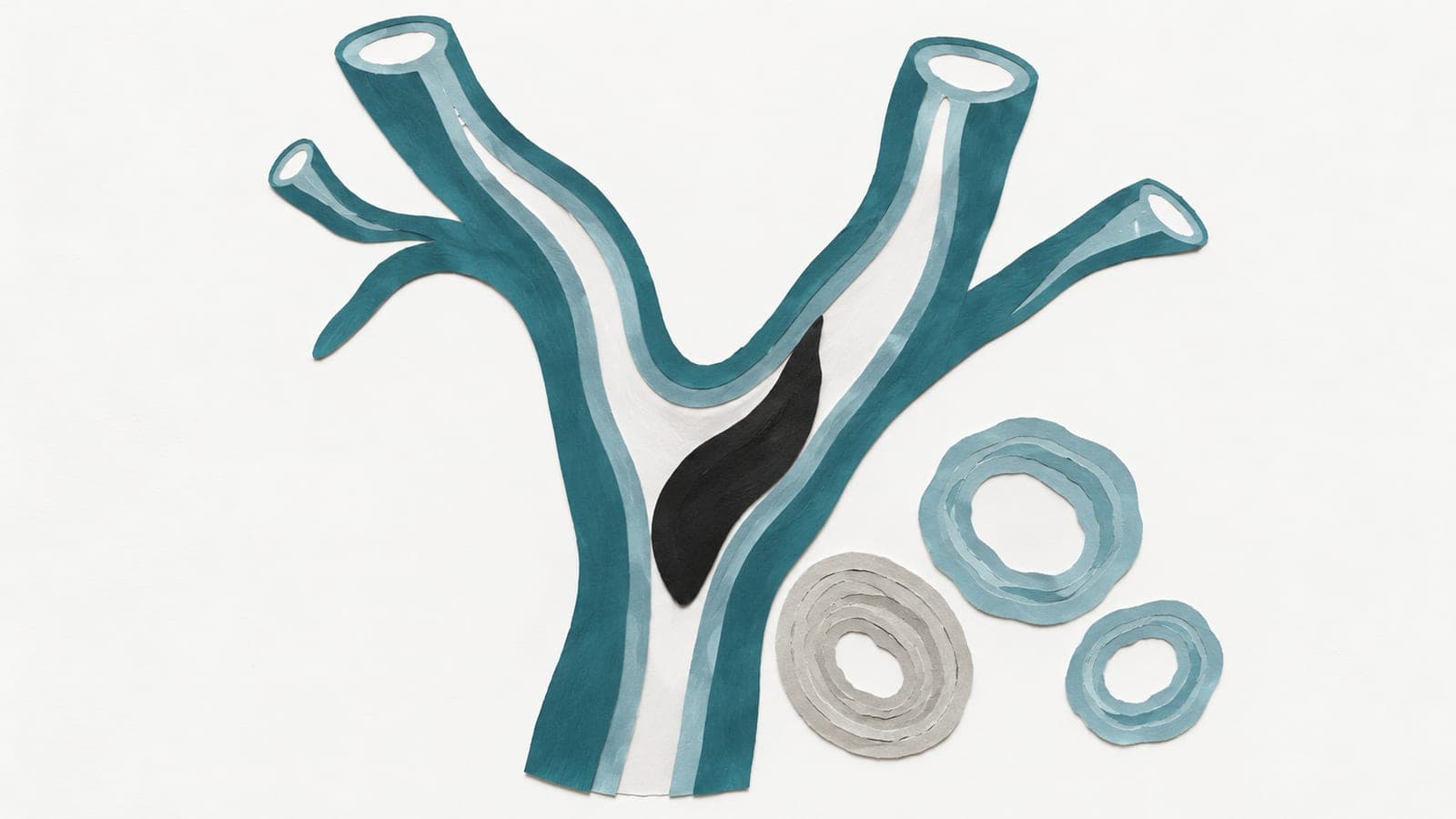
Arterial thrombosis is a leading cause of death and disability worldwide with no effective bioassay for clinical prediction. As a symbolic feature of arterial thrombosis, severe stenosis in the blood vessel creates a high-shear, high-gradient flow environment that facilitates platelet aggregation towards vessel occlusion. Here, we present a thrombus profiling assay that monitors the multi-dimensional attributes of thrombi forming in such biomechanical conditions. Using this assay, we demonstrate that different receptor-ligand interactions contribute distinctively to the composition and activation status of the thrombus. Our investigation into hypertensive and older individuals reveals intensified biomechanical thrombogenesis and multi-dimensional thrombus profile abnormalities, endorsing the diagnostic potential of the assay. Furthermore, we identify the hyperactivity of GPIbα-integrin αIIbβ₃ mechanosensing axis as a molecular mechanism that contributes to hypertension-associated arterial thrombosis. By studying drug-disease interactions and inter-individual variability, our work reveals a need for personalized anti-thrombotic drug selection that accommodates each patient's pathological profile.
- Mechanotransduction
- Hypertension
- Arterial thrombosis
- Arterial stenosis
- Thrombus profile abnormalities
- Humans
The paper
The University of Texas Medical Branch at Galveston; The University of Sydney
Nature Communications, 21 Oct 2024, Open access