The emerging role of exercise in Alzheimer's disease: Focus on mitochondrial function
Abstract
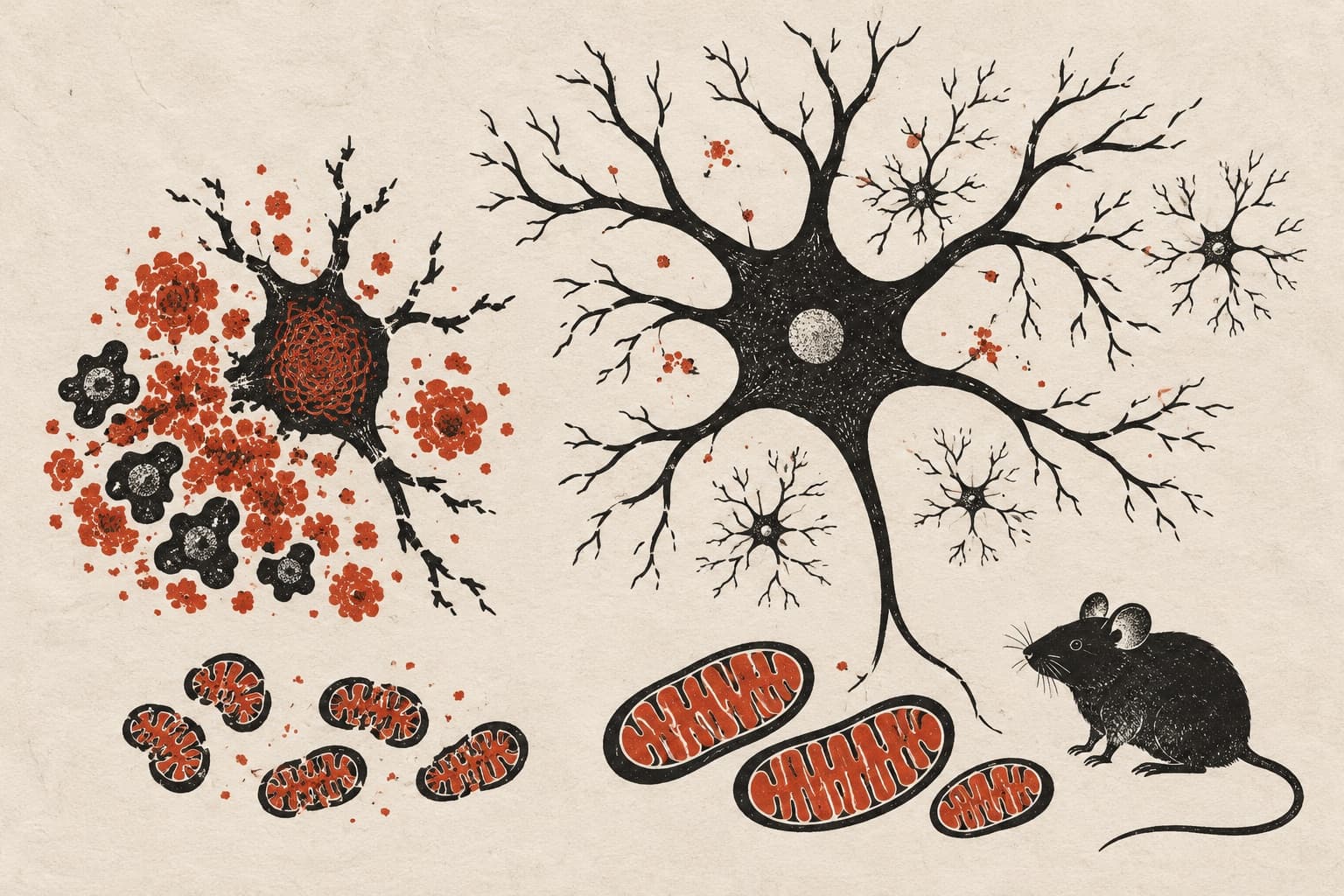
Alzheimer's disease (AD) is an age-related neurodegenerative disease characterized by memory impairment and cognitive dysfunction, which eventually leads to the disability and mortality of older adults. Although the precise mechanisms by which age promotes the development of AD remains poorly understood, mitochondrial dysfunction plays a central role in the development of AD. Currently, there is no effective treatment for this debilitating disease. It is well accepted that exercise exerts neuroprotective effects by ameliorating mitochondrial dysfunction in the neurons of AD, which involves multiple mechanisms, including mitochondrial dynamics, biogenesis, mitophagy, transport, and signal transduction. In addition, exercise promotes mitochondria communication with other organelles in AD neurons, which should receive more attentions in the future.
The paper
Zhejiang University; Shaanxi Normal University
Ageing Research Reviews, 6 Sep 2024