Long-term training alters response dynamics in the aging auditory cortex
Abstract
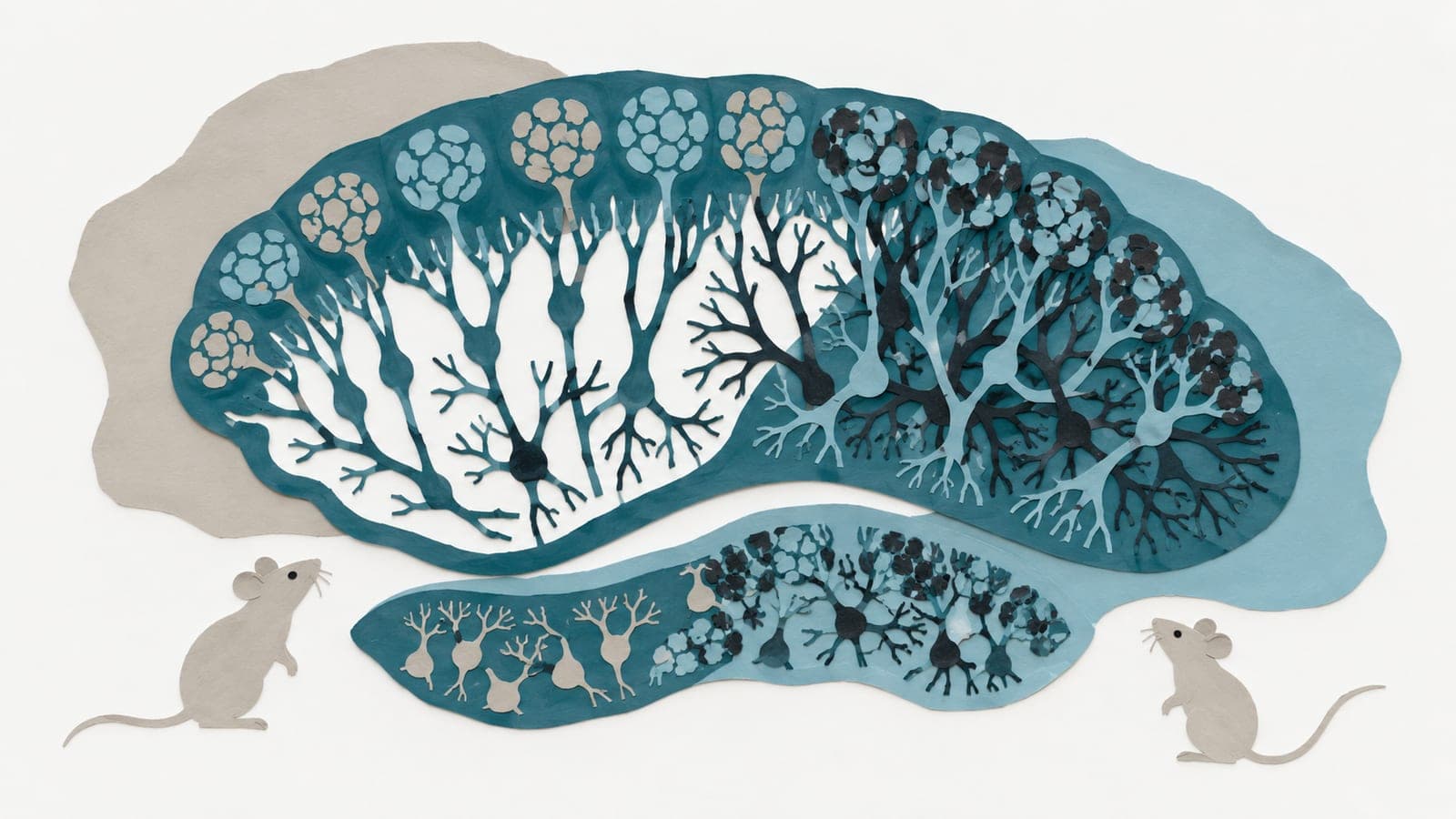
Age-related auditory dysfunction, presbycusis, is caused in part by functional changes in the auditory cortex (ACtx) such as altered response dynamics and increased population correlations. Given the ability of cortical function to be altered by training, we tested if performing auditory tasks might benefit auditory function in old age. We examined this by training adult mice on a low-effort tone-detection task for at least six months and then investigated functional responses in ACtx at an older age (∼18 months). Task performance remained stable well into old age. Comparing sound-evoked responses of thousands of ACtx neurons using in vivo 2-photon Ca²⁺ imaging, we found that many aspects of youthful neuronal activity, including low activity correlations, lower neural excitability, and a greater proportion of suppressed responses, were preserved in trained old animals as compared to passively-exposed old animals. Thus, consistent training on a low-effort task can benefit age-related functional changes in ACtx and may preserve many aspects of auditory function.
The paper
Johns Hopkins University
Hearing Research, Jan 28, 2024, Open access, accepted manuscript