Age-related differences in fMRI subsequent memory effects are directly linked to local grey matter volume differences
Abstract
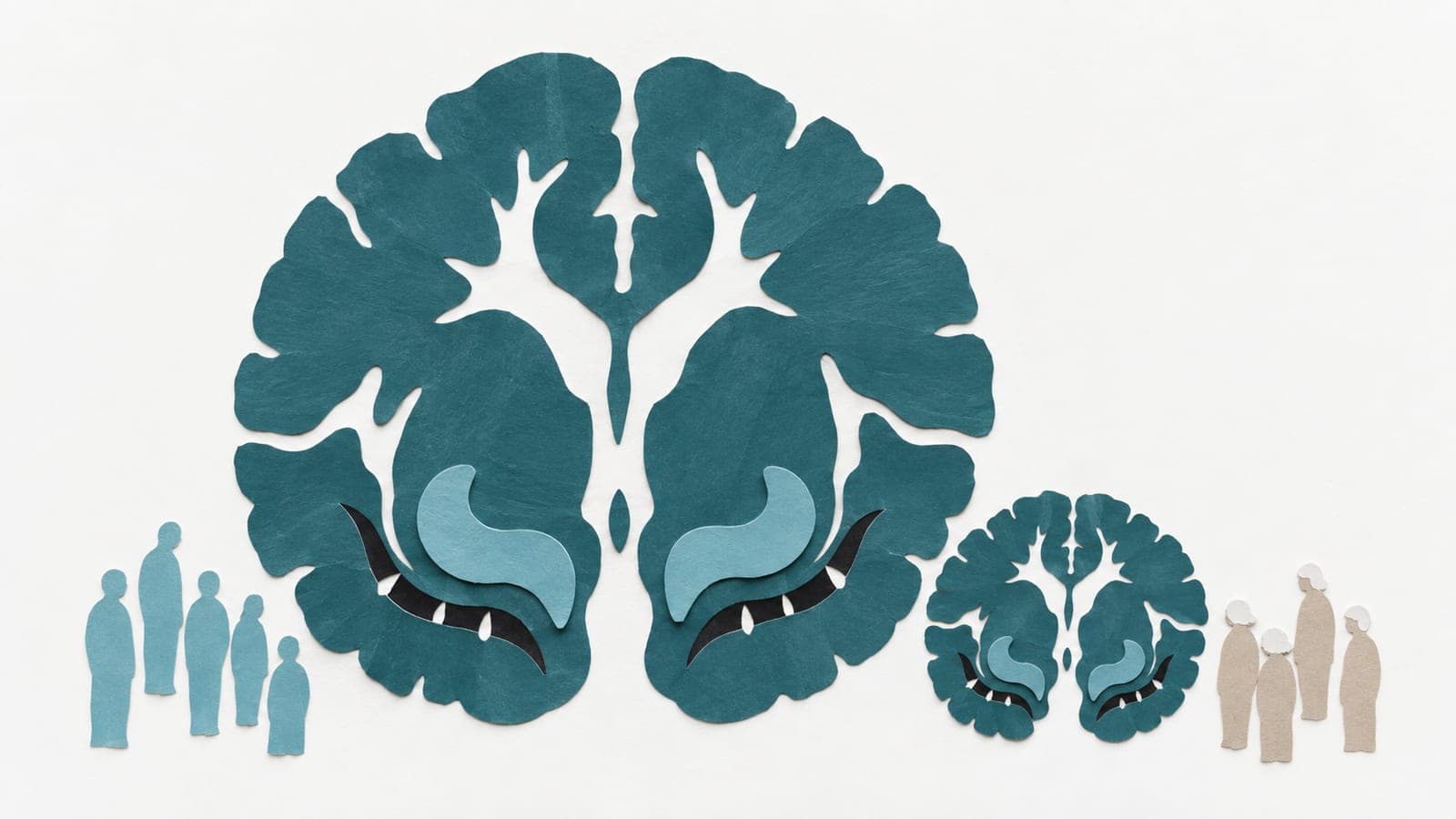
Episodic memory performance declines with increasing age, and older adults typically show reduced activation of inferior temporo-parietal cortices in functional magnetic resonance imaging (fMRI) studies of episodic memory formation. Given the age-related cortical volume loss, it is conceivable that age-related reduction of memory-related fMRI activity may be partially attributable to reduced grey matter volume (GMV). We performed a voxel-wise multimodal neuroimaging analysis of fMRI correlates of successful memory encoding, using regional GMV as covariate. In a large cohort of healthy adults (106 young, 111 older), older adults showed reduced GMV across the entire neocortex and reduced encoding-related activation of inferior temporal and parieto-occipital cortices compared to young adults. Importantly, these reduced fMRI activations during successful encoding could in part be attributed to lower regional GMV. Our results highlight the importance of controlling for structural MRI differences in fMRI studies in older adults but also demonstrate that age-related differences in memory-related fMRI activity cannot be attributed to structural variability alone.
The paper
University of Hildesheim; German Center for Neurodegenerative Diseases
Neurobiology of Aging, Dec 5, 2023, Open access