Role of Endothelial Progenitor Cells in Frailty
Abstract
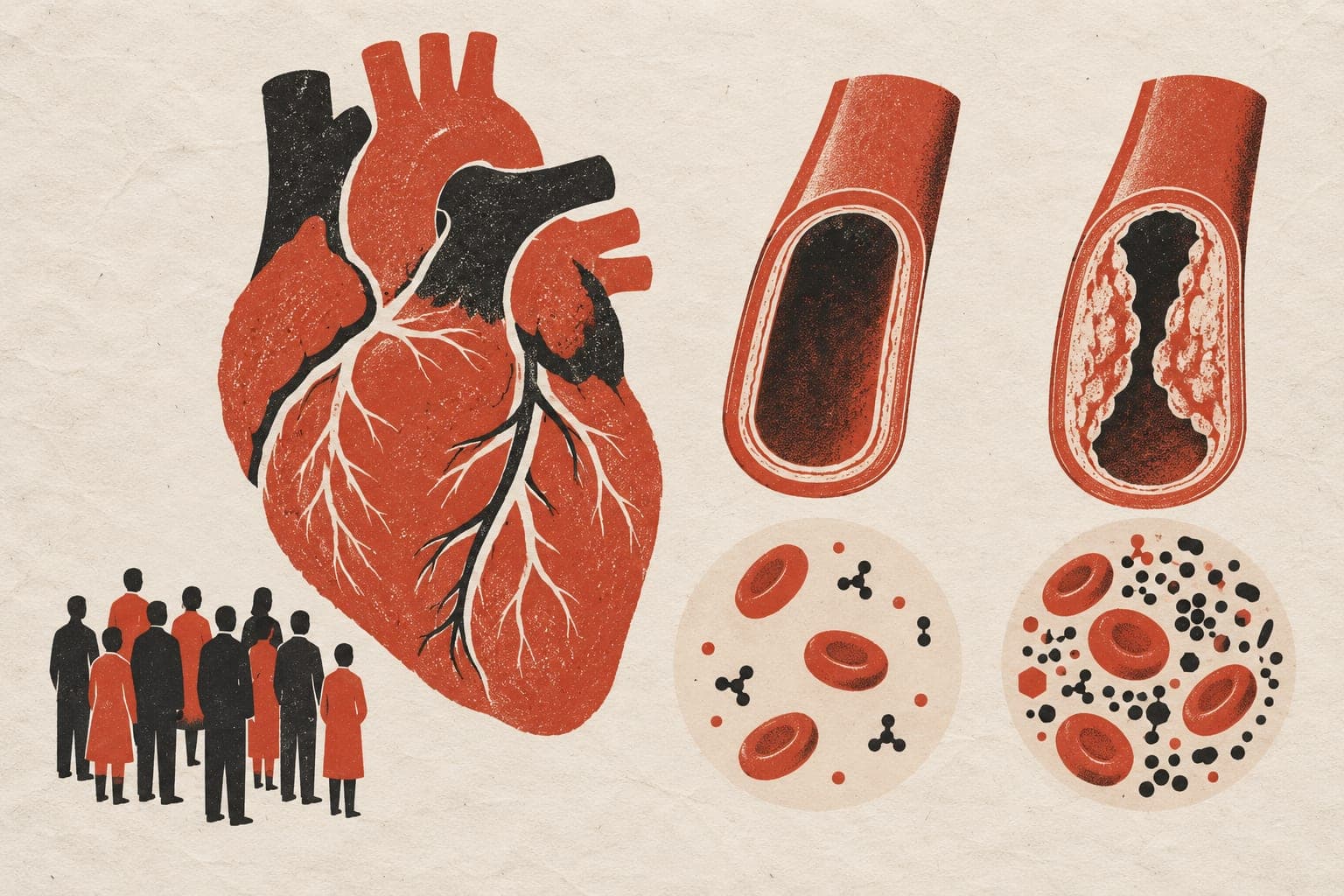
Frailty is a clinical condition closely related to aging which is characterized by a multidimensional decline in biological reserves, a failure of physiological mechanisms and vulnerability to minor stressors. Chronic inflammation, the impairment of endothelial function, age-related endocrine system modifications and immunosenescence are important mechanisms in the pathophysiology of frailty. Endothelial progenitor cells (EPCs) are considered important contributors of the endothelium homeostasis and turn-over. In the elderly, EPCs are impaired in terms of function, number and survival. In addition, the modification of EPCs' level and function has been widely demonstrated in atherosclerosis, hypertension and diabetes mellitus, which are the most common age-related diseases. The purpose of this review is to illustrate the role of EPCs in frailty. Initially, we describe the endothelial dysfunction in frailty, the response of EPCs to the endothelial dysfunction associated with frailty and, finally, interventions which may restore the EPCs expression and function in frail people.
The paper
University of Molise
International Journal of Molecular Sciences, Jan 21, 2023, Open access