Calorie restriction remodels gut microbiota and suppresses tumorigenesis of colorectal cancer in mice
Abstract
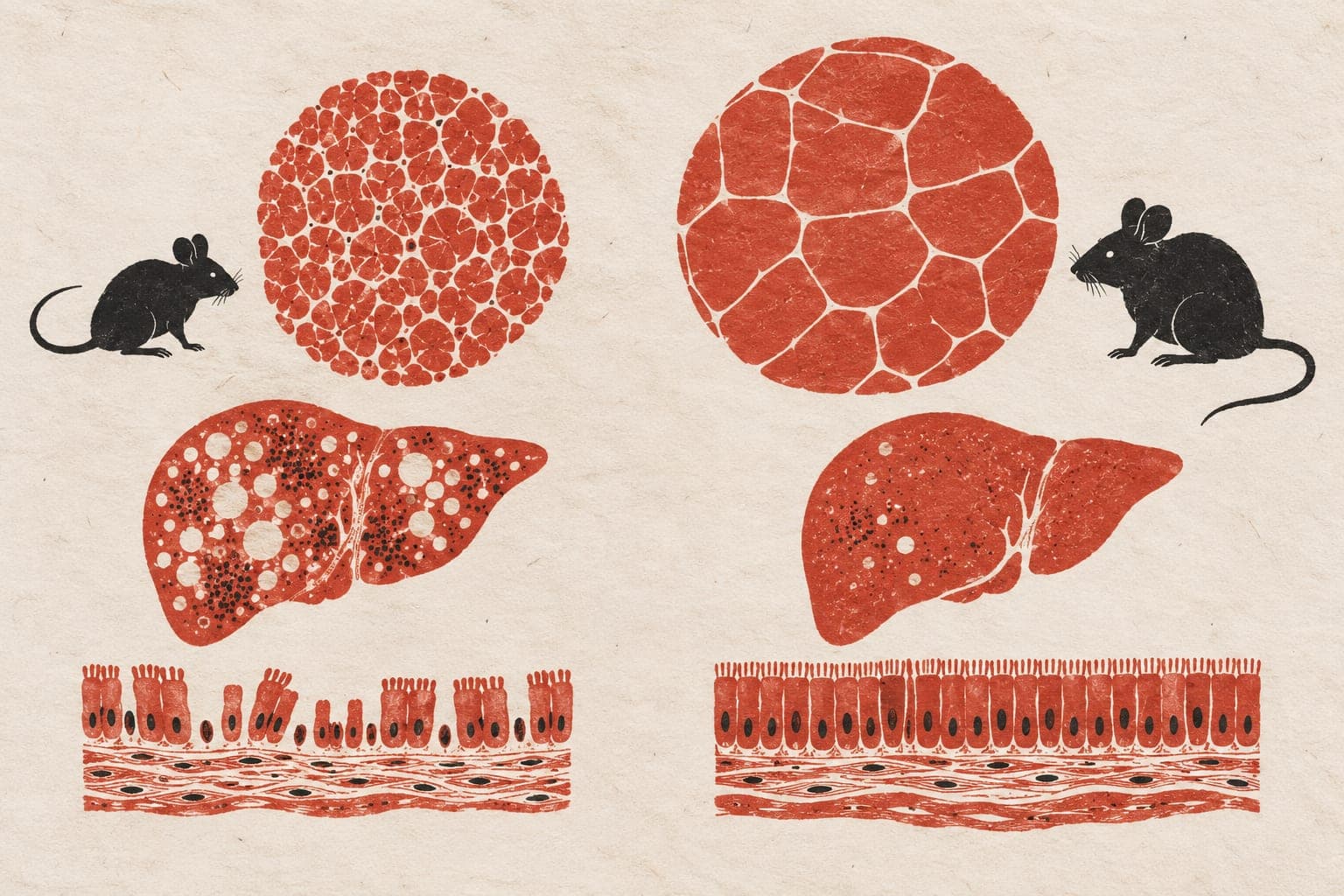
Colorectal cancer (CRC) is one of the most common cancers worldwide and the consumption of a high-calorie diet is one of its risk factors. Calorie restriction (CR) slows tumor growth in a variety of cancers, including colorectal cancer; however, the mechanism behind this remains unknown. In the present study, CR effectively reduced the tumor volume and weight in a xenograft BALB/c male nude mouse model. In addition, tumor immunohistochemistry revealed that the CR group had significantly higher expression of Bax (P<0.001) and significantly lower levels of Bcl2 (P<0.0001) and Ki67 (P<0.001) compared with control group. Furthermore, data from 16S ribosomal (r)RNA sequencing implied that CR was able to reprogram the microbiota structure, characterized by increased Lactobacillus constituent ratio (P<0.05), with amelioration of microbial dysbiosis caused by CRC. Further receiver operating characteristic curves demonstrated that the bacteria Bacteroides [area under the curve (AUC)=0.800], Lactobacillus (AUC=0.760) and Roseburia (AUC=0.720) served key roles in suppression of CRC in the mouse model. The functional prediction of intestinal flora indicated 'cyanoamino acid metabolism' (P<0.01), 'replication initiation protein REP (rolling circle plasmid replication)' (P<0.01), 'tRNA G10 N-methylase Trm11' (P<0.01) and 'uncharacterized protein with cyclophilin fold, contains DUF369 domain' (P<0.05) were downregulated in CR group. These findings implied that CR suppressed CRC in mice and altered the gut microbiota.
The paper
Ningxia Medical University
Experimental and Therapeutic Medicine, 8 Dec 2022, Open access