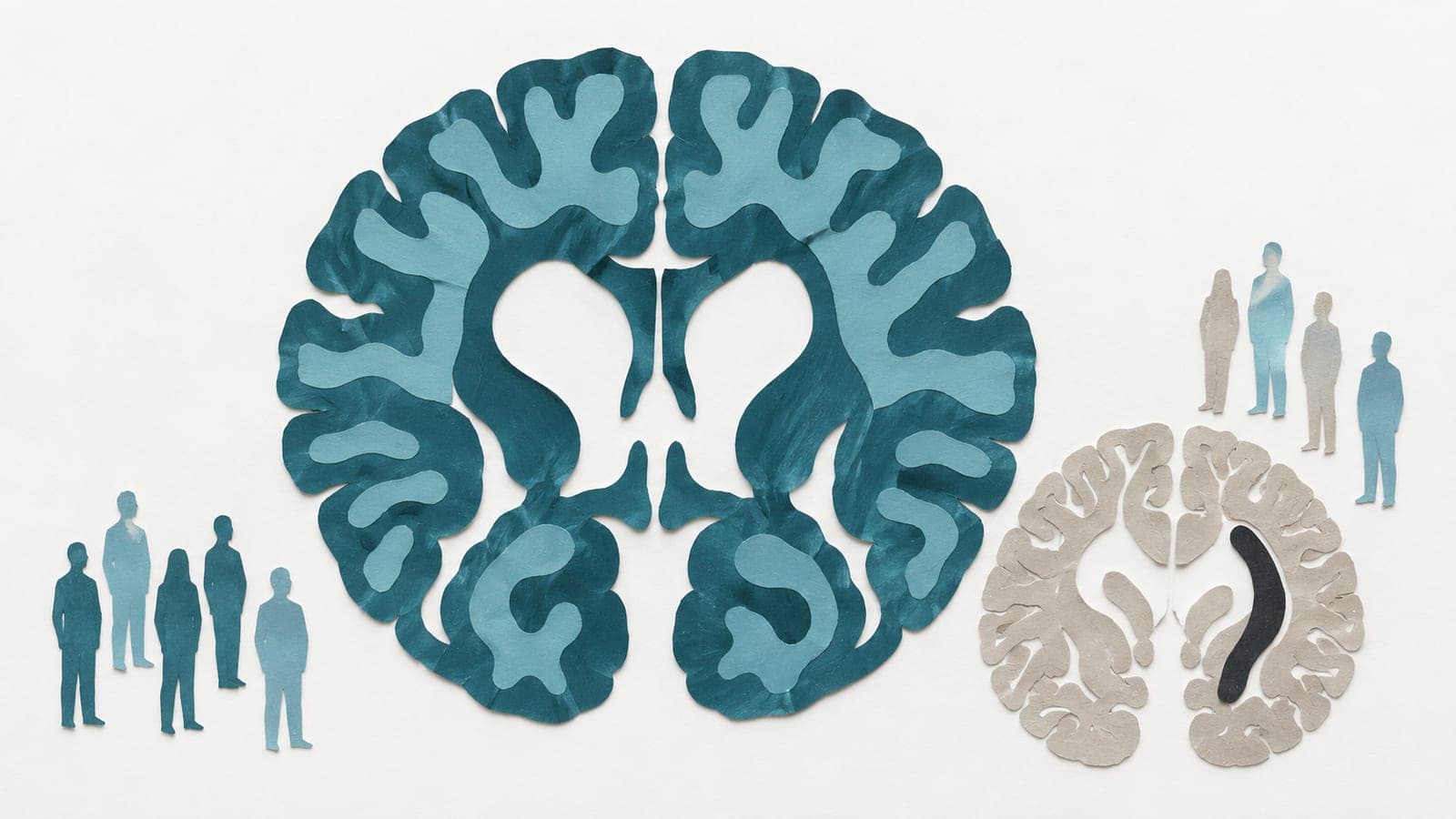
Angiotensin receptor blocker use is associated with upregulation of the memory-protective angiotensin type 4 receptor (AT₄R) in the postmortem brains of individuals without cognitive impairment
By Cosarderelioglu C, Nidadavolu LS, George CJ et al.
Abstract
The reported primary dementia-protective benefits of angiotensin II type 1 receptor (AT₁R) blockers (ARB) are believed, at least in part, to arise from systemic effects on blood pressure. However, there is a specific and independently regulated brain renin-angiotensin system (RAS). Brain RAS acts mainly through three receptor subtypes; AT₁R, AT₂R, and AT₄R. The AT₁R promotes inflammation and mitochondrial reactive oxygen species generation. AT₂R increases nitric oxide. AT₄R is essential for dopamine and acetylcholine release. It is unknown whether ARB use is associated with changes in the brain RAS. Here, we compared the impact of treatment with ARB on not cognitively impaired individuals and individuals with Alzheimer's dementia using postmortem frontal-cortex samples of age- and sex-matched participants (70-90 years old, n = 30 in each group). We show that ARB use is associated with higher brain AT₄R, lower oxidative stress, and amyloid-β burden in NCI participants. In AD, ARB use was associated with lower brain AT₁R but had no impact on inflammation, oxidative stress, or amyloid-β burden. Our results may suggest a potential role for AT₄R in the salutary effects for ARB on the brains of not cognitively impaired older adults.
The paper
Cosarderelioglu C, Nidadavolu LS, George CJ et al.
GeroScience, 15 Aug 2022