The future of stem cell therapies of Alzheimer's disease
Abstract
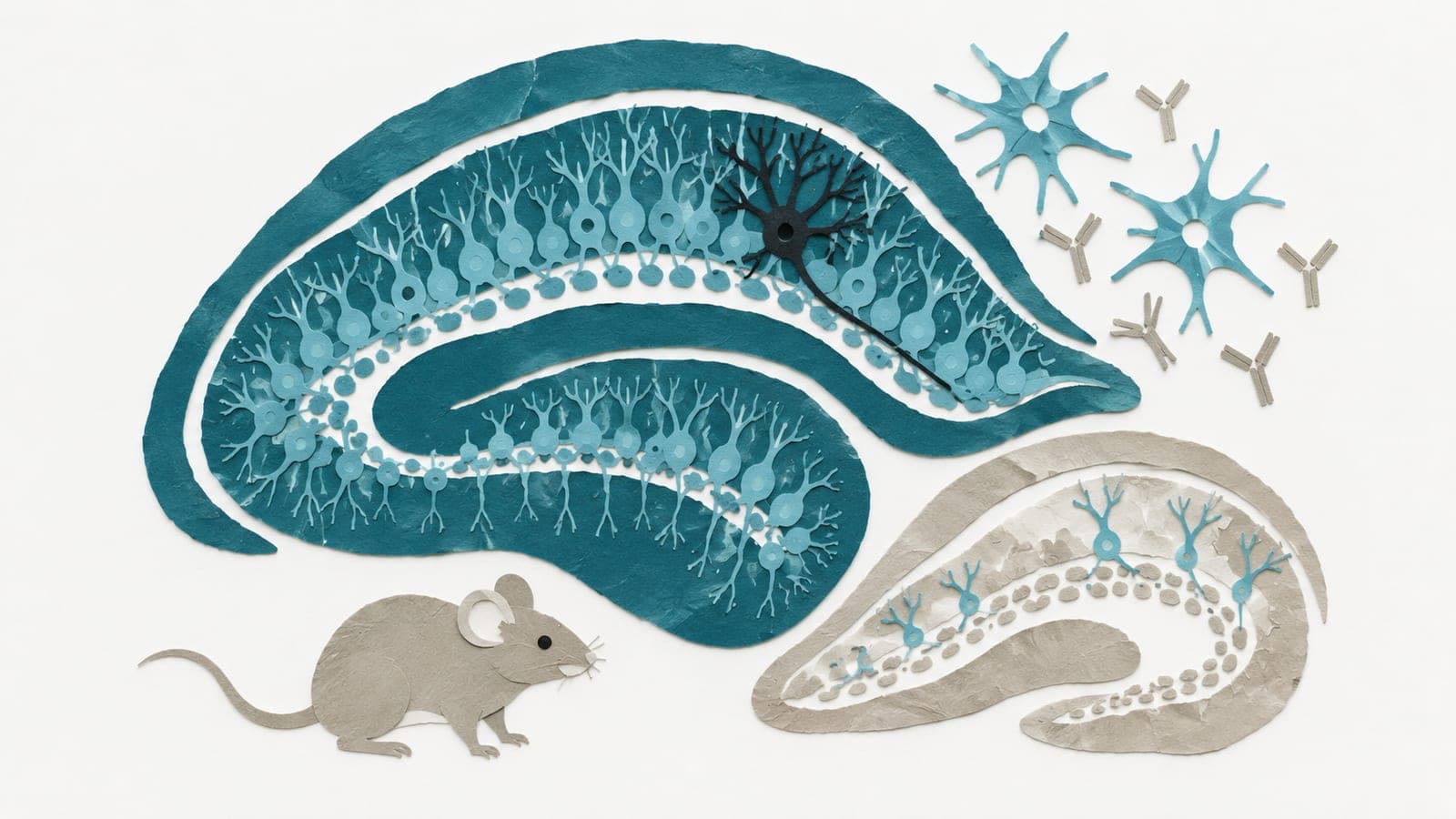
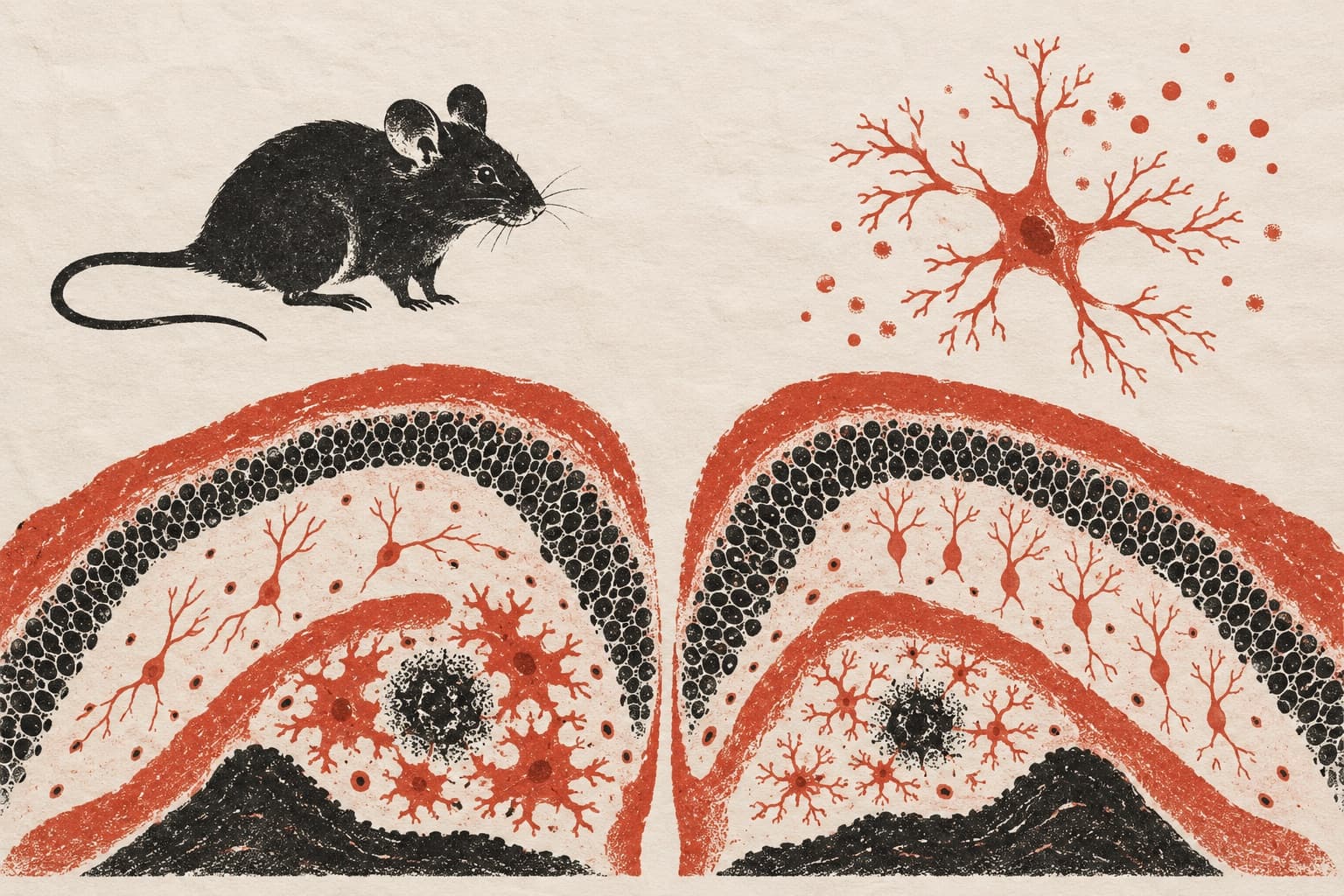
Alzheimer's disease (AD) places a heavy burden on the global economy. There is no effective disease-modifying treatment available at present. Since the advent of induced pluripotent stem cells (iPSCs) reprogrammed from human somatic cells, new approaches using iPSC-derived products provided novel insights into AD pathogenesis and drug candidates for AD treatment. Multiple recent studies using animal models have increased the possibility of reducing pathology and improving cognitive function through cell replacement therapies. In this review, we summarized the advantages, limitations, and future directions of cell replacement therapy, discussed the safety and ethical concerns of this novel therapeutic approach and the possibility of translation to clinical practice.
The paper
Qingdao University; Shanghai Medical College of Fudan University
Ageing Research Reviews, Jun 2, 2022